Author: Ravi Kailas (ficustours@gmail.com)
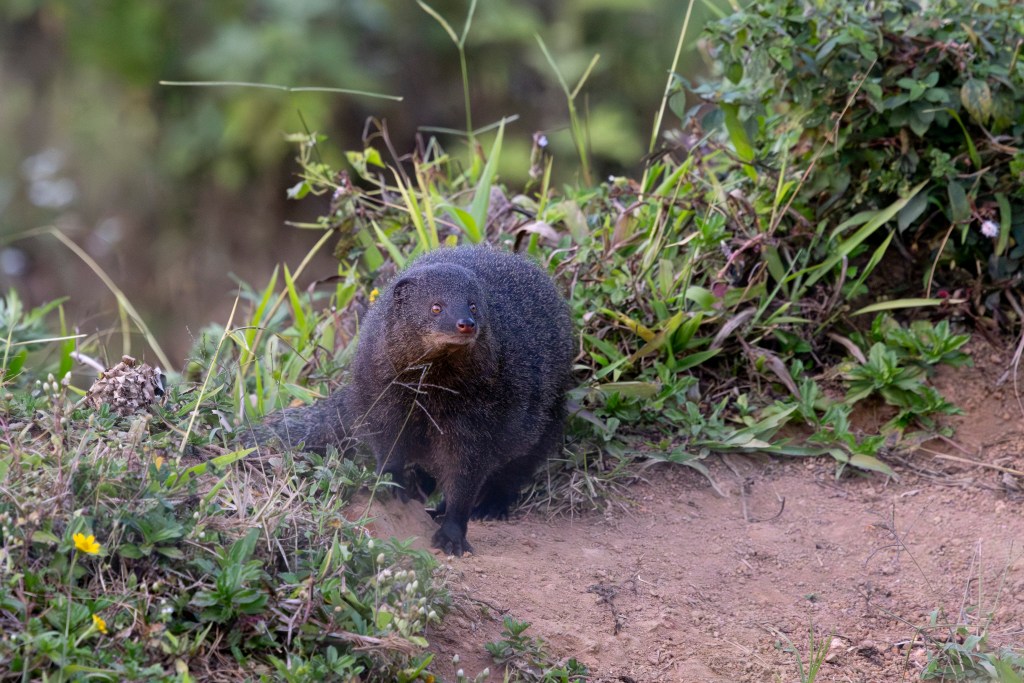
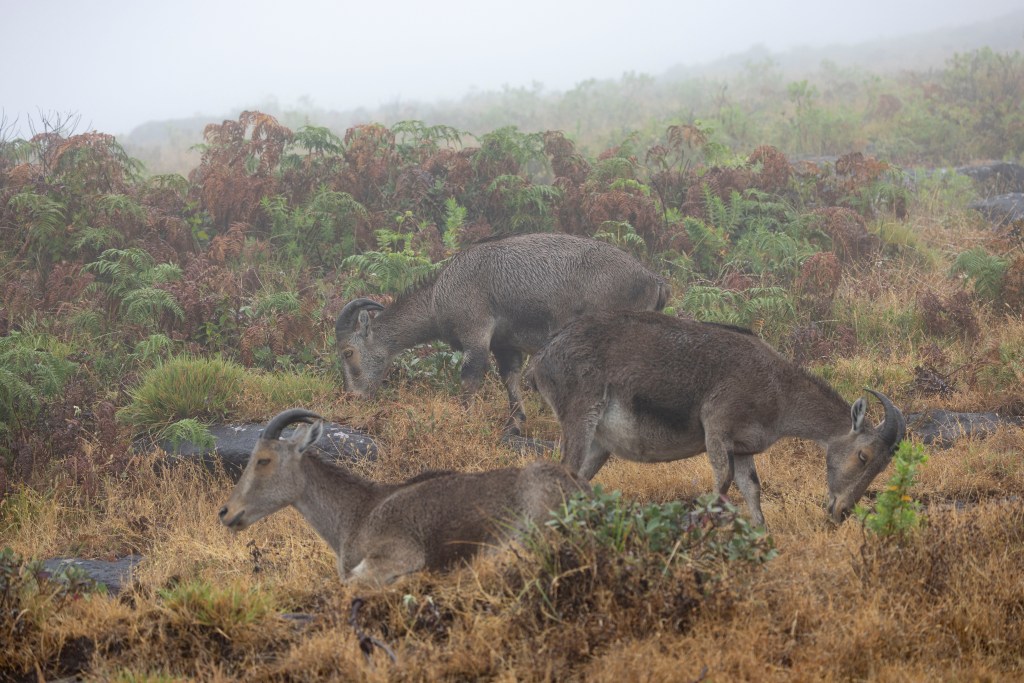
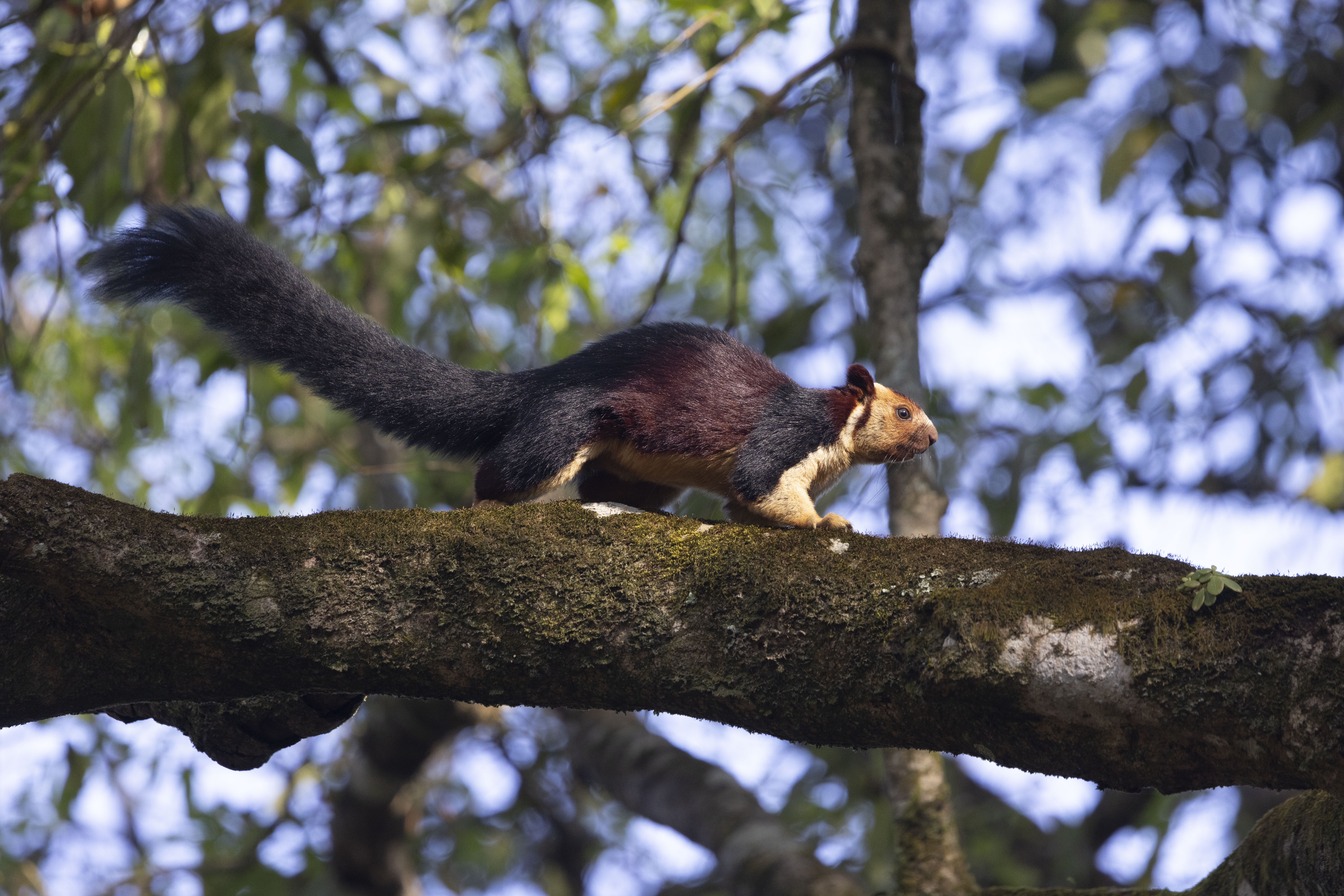
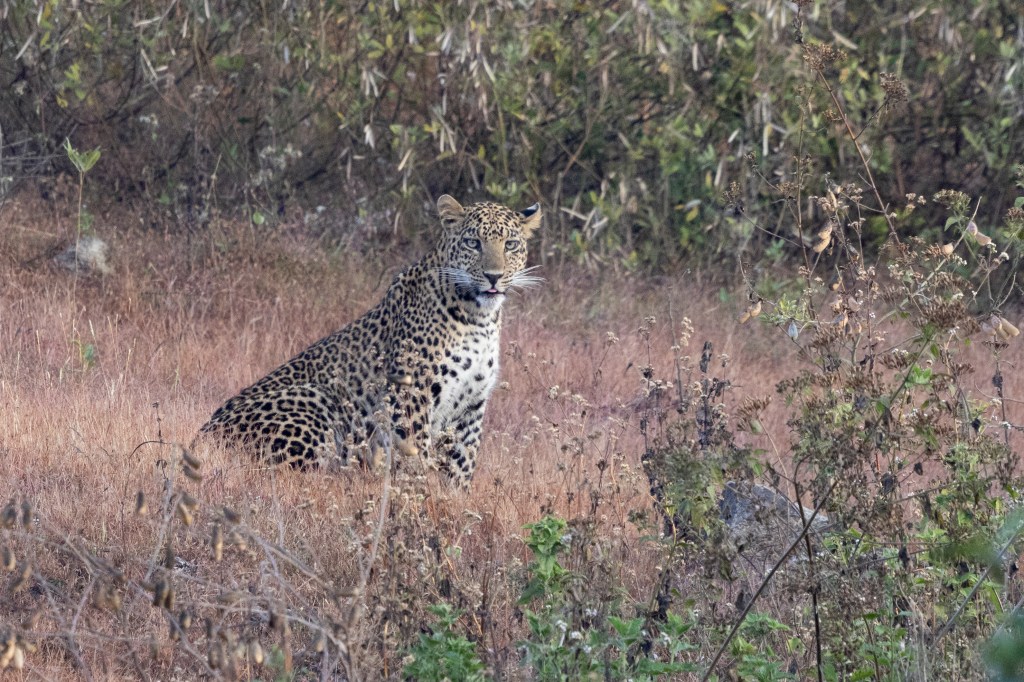
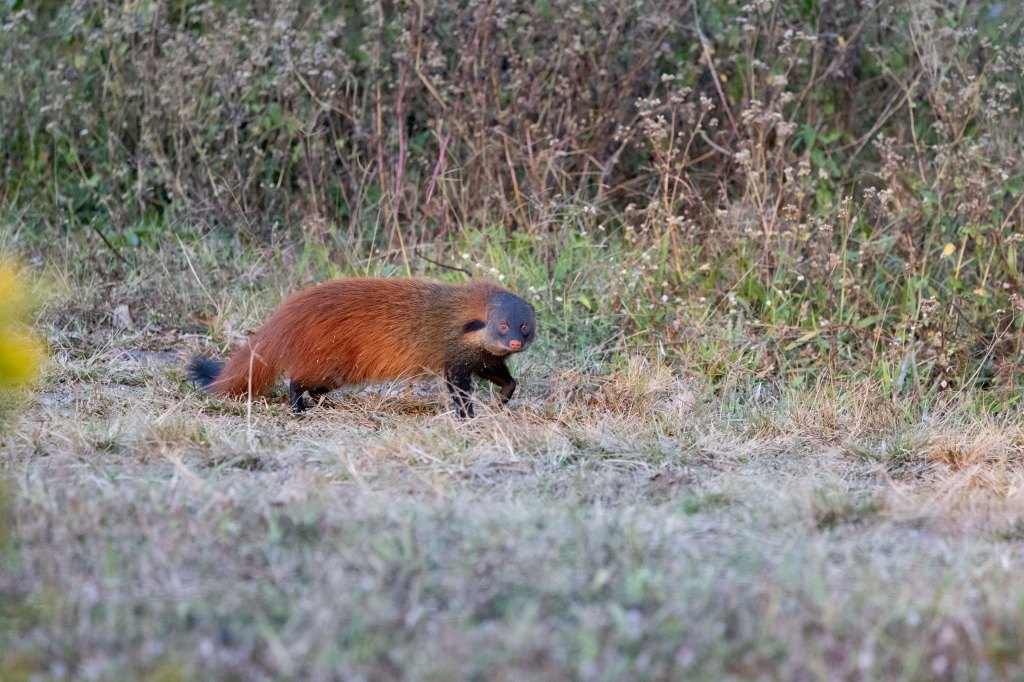
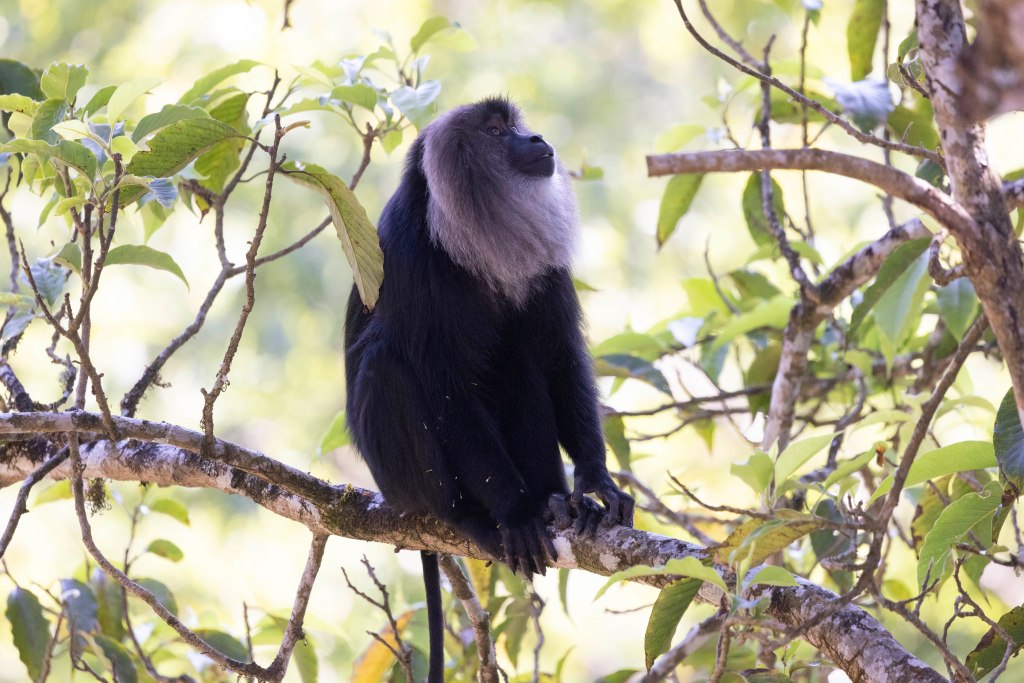
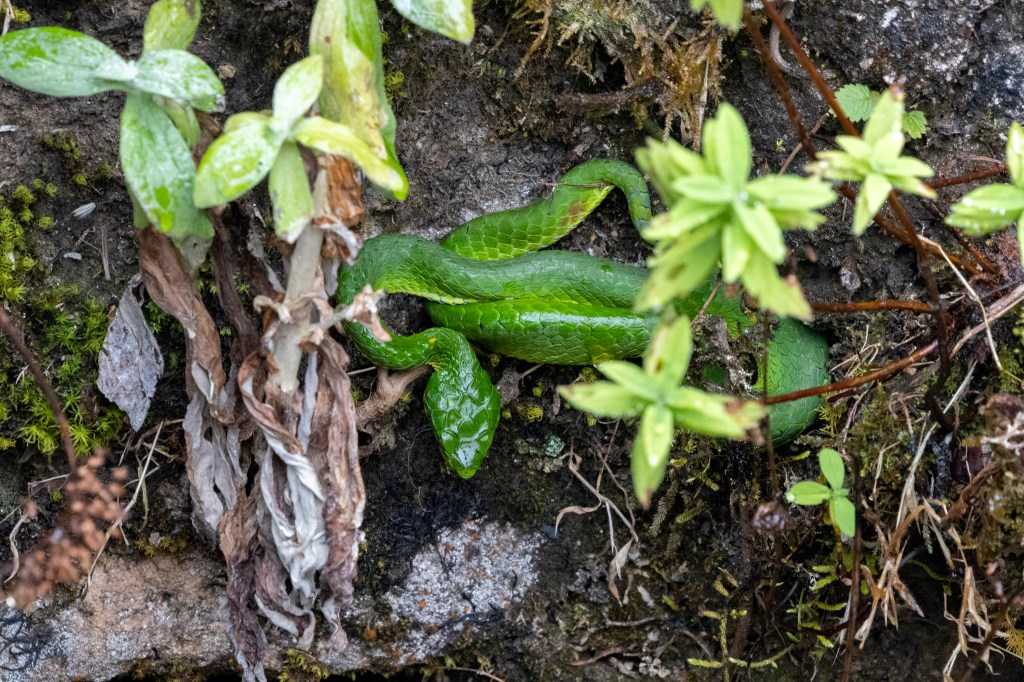
2026 started off with a brief mid-January visit to the Western Ghats with Cory Cravatta and was duly entertained by his bear stories (and at least some of the local wildlife!) from the Katmai Peninsula and around the world. One night in the Munnar area and three nights at Valparai, produced much of the endemic mammalian specialities of the Western Ghats, including Nilgiri Tahr (on a rainy Eravikulam afternoon), Grizzled Giant Squirrel, Lion-tailed Macaque, Nilgiri Langur and Brown and Stripe-necked Mongooses. We also had excellent views of the pair of Leopards, unusually (for Valparai), in broad day light, and (not so unusually for Valparai), right next to a bustling town, a fleeting night-time glimpse of Sloth Bear, Indian Chevrotain, Elephant and innumerable Gaur. Notable misses included Brown Palm Civet (normally relatively reliable around Valparai and despite checking on several copiously fruiting fig trees), Nilgiri Striped Squirrel and Nilgiri Marten, living upto to its hard to get reputation. Other highlights from the ghats included a handful of bird endemics, including Nilgiri and Black and Orange Flycatchers, Malabar Grey Hornbill and Palani Laughingthrush, Legge’s Hawk and Black Eagles and Large-scaled Green Pit Viper. As per usual, we divided our time between properties owned by the Woodbriar Group and Parry Agro, both providing good opportunities for various Western Ghats specialities within their estates combined with modern accommodation and excellent hospitality.
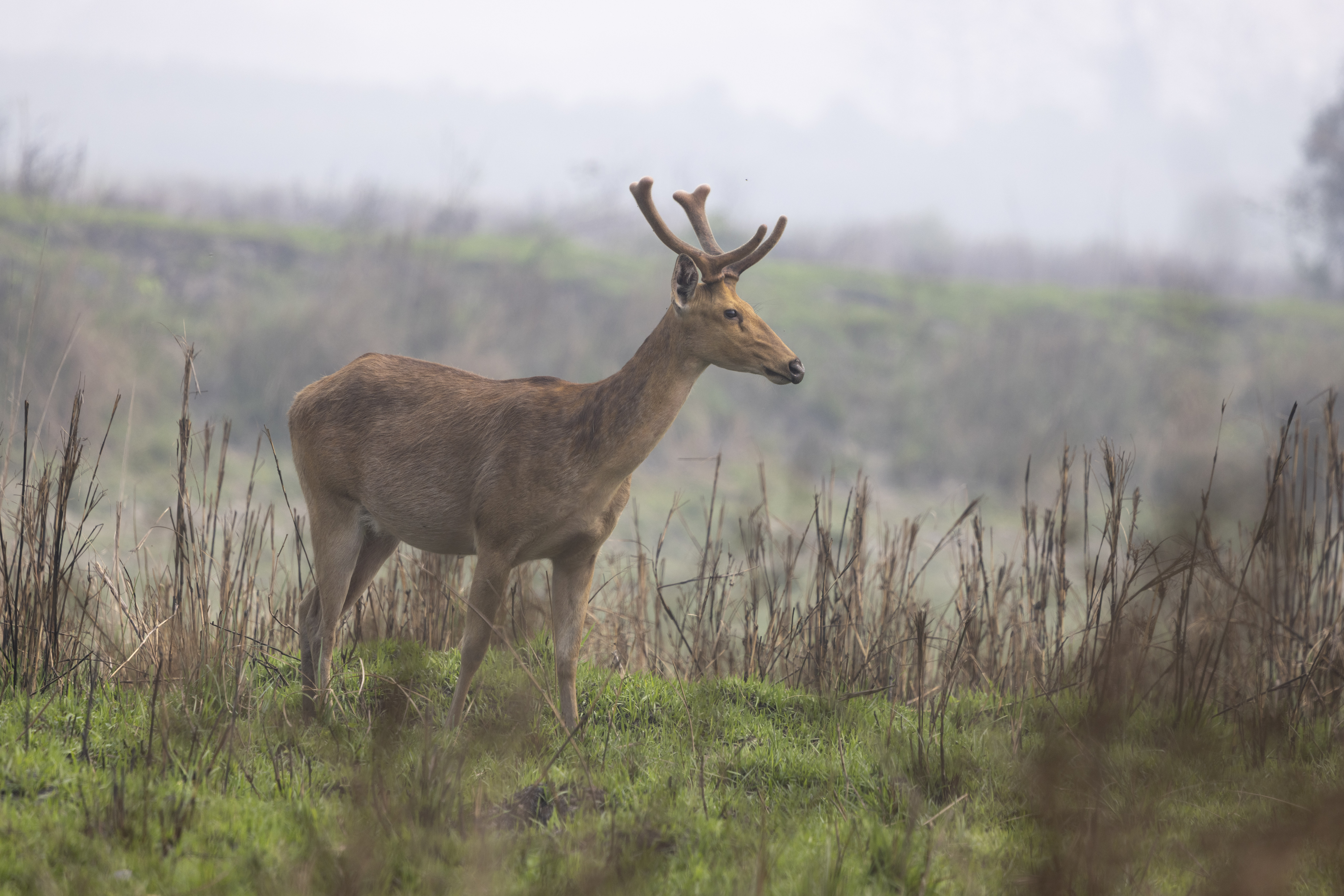
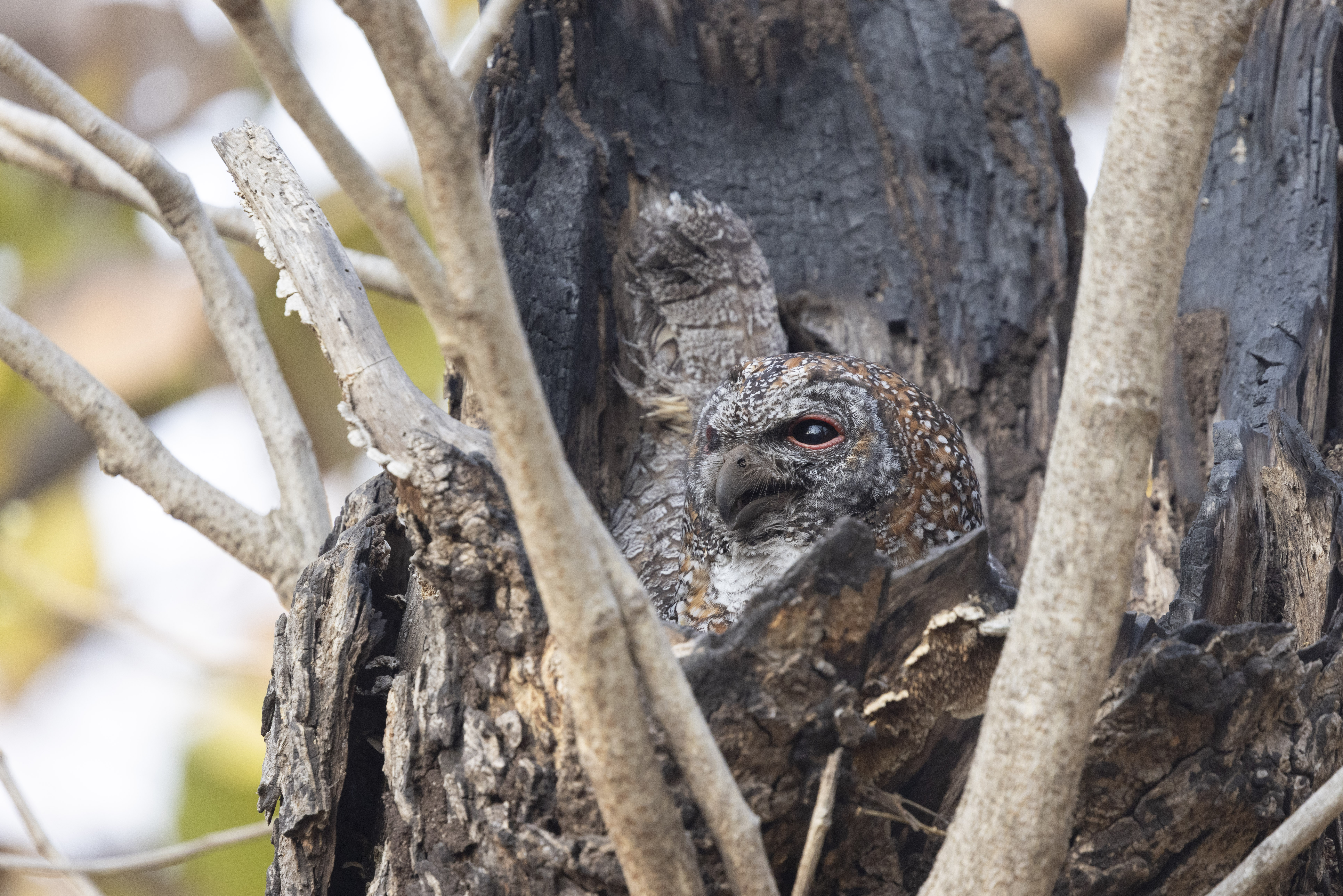
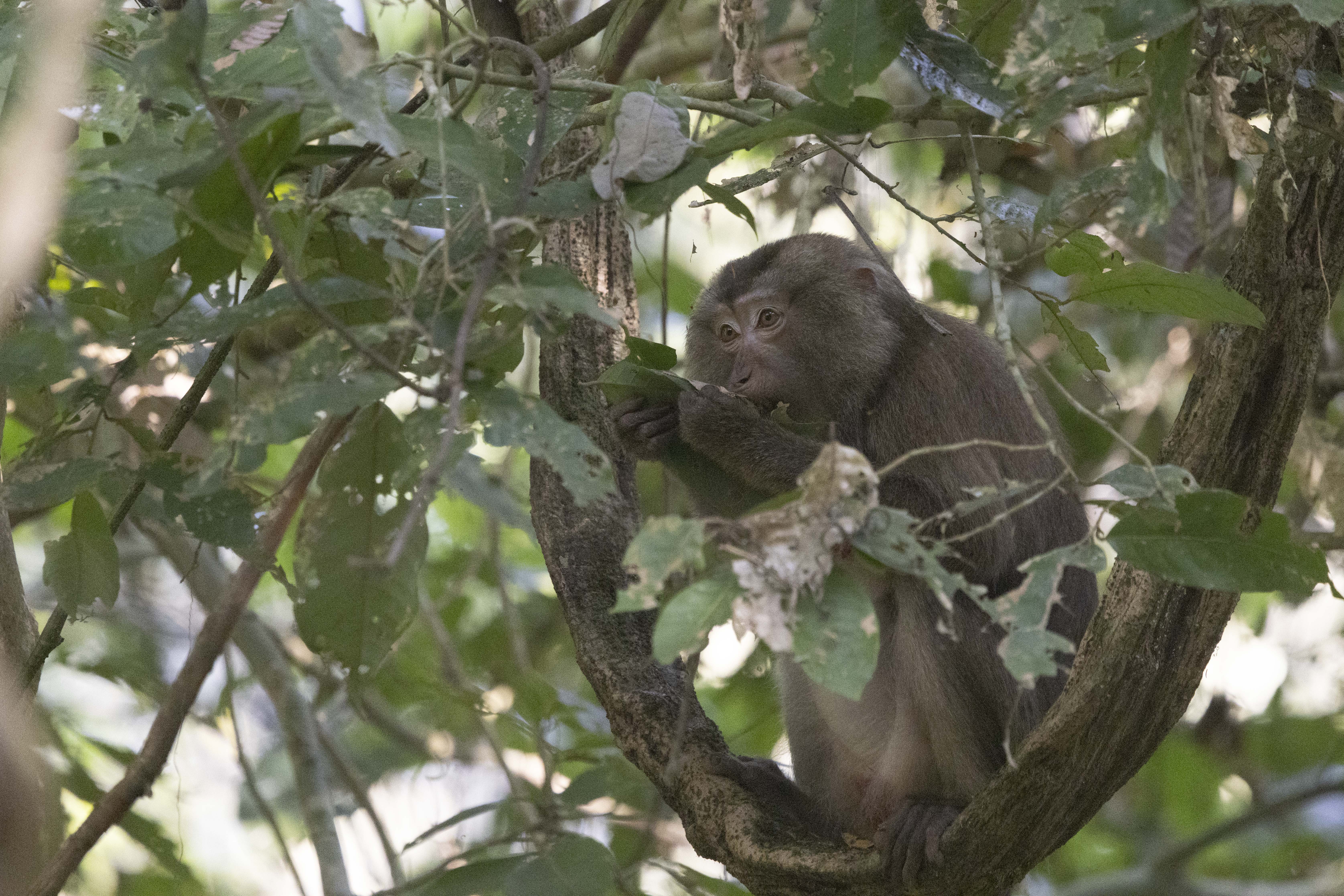
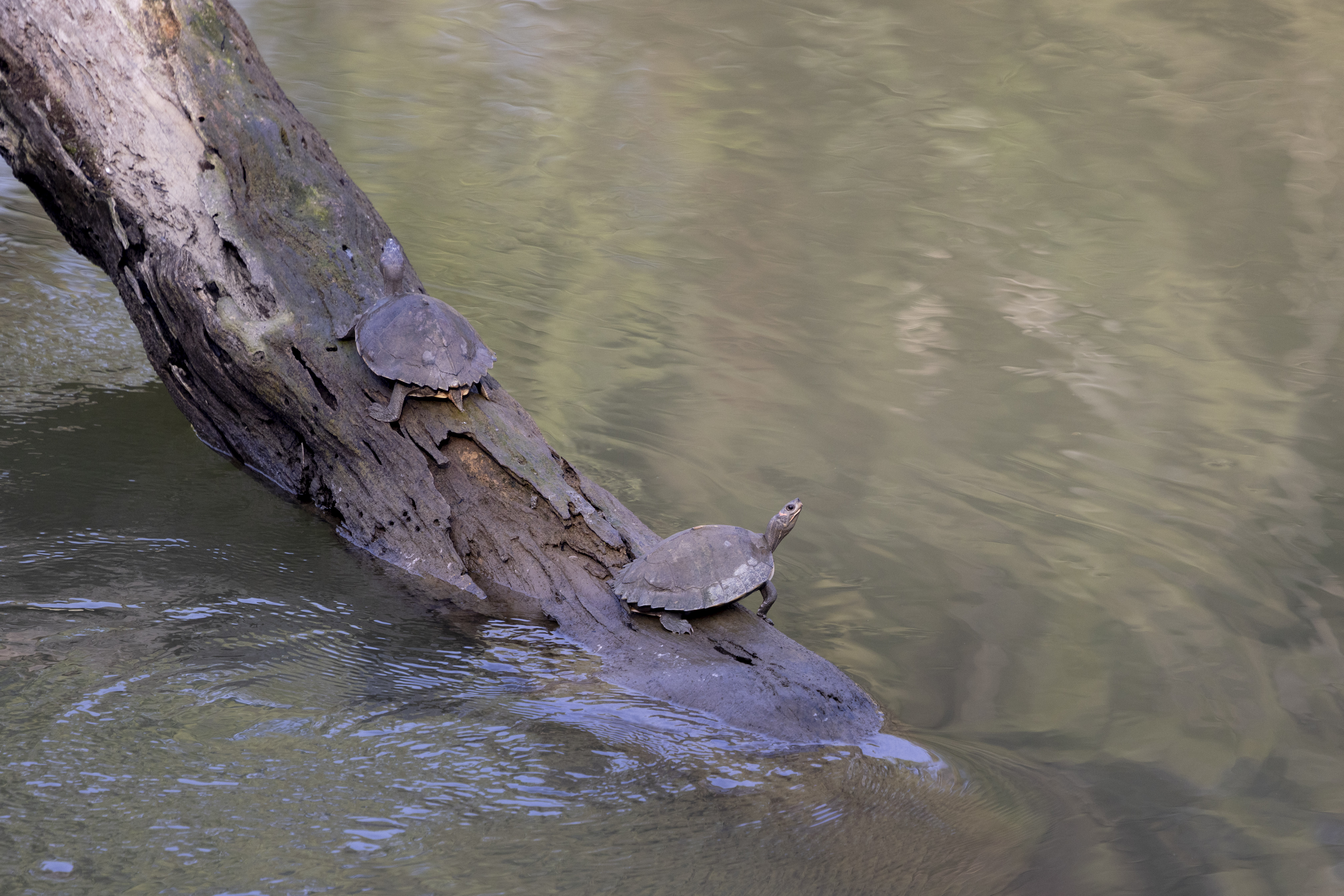
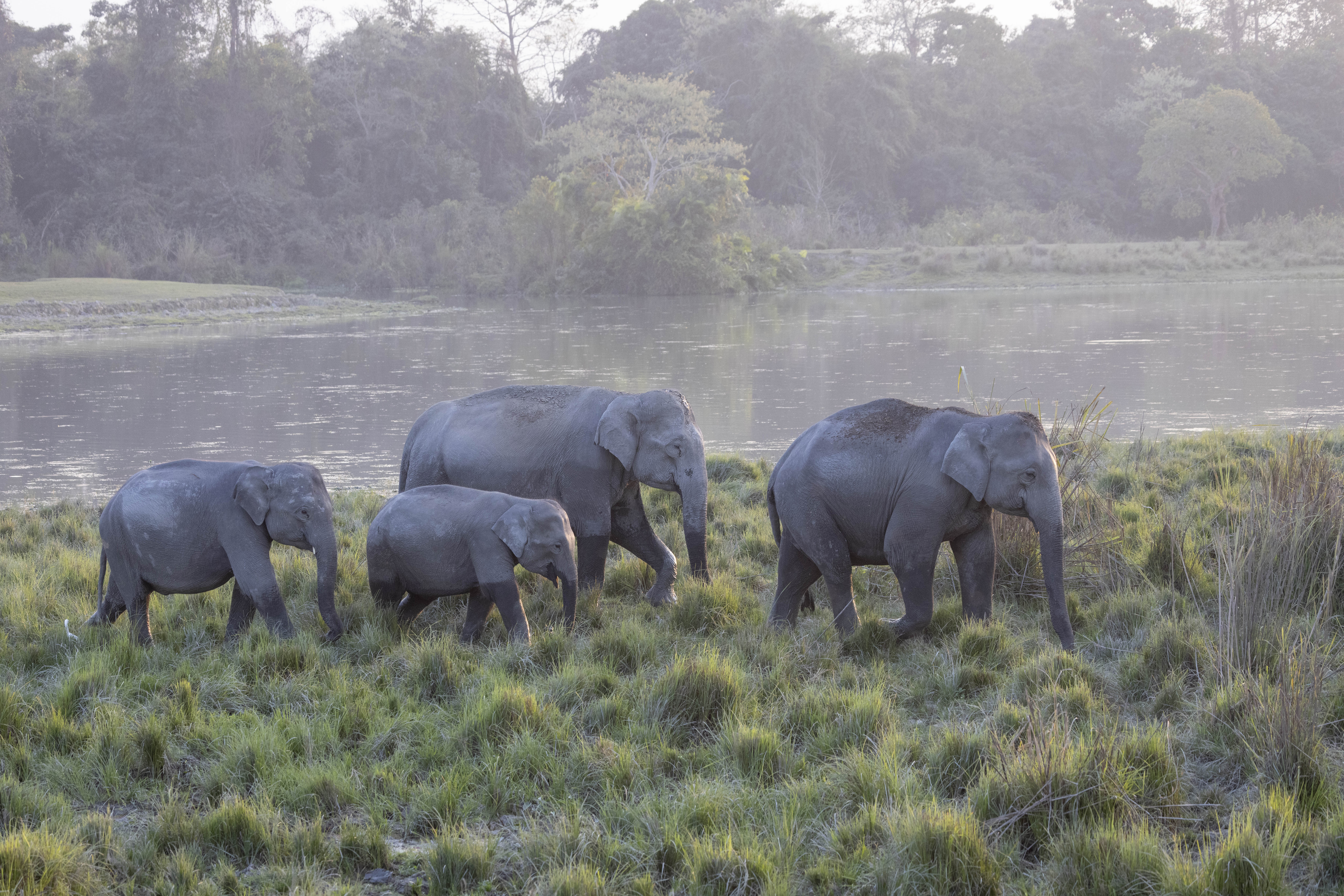
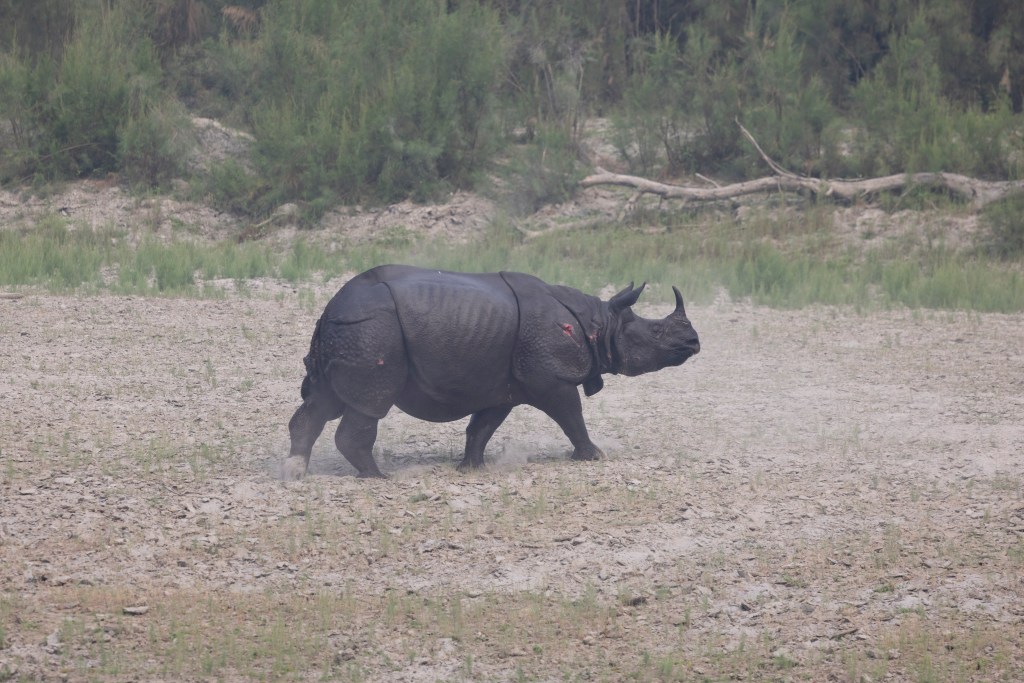
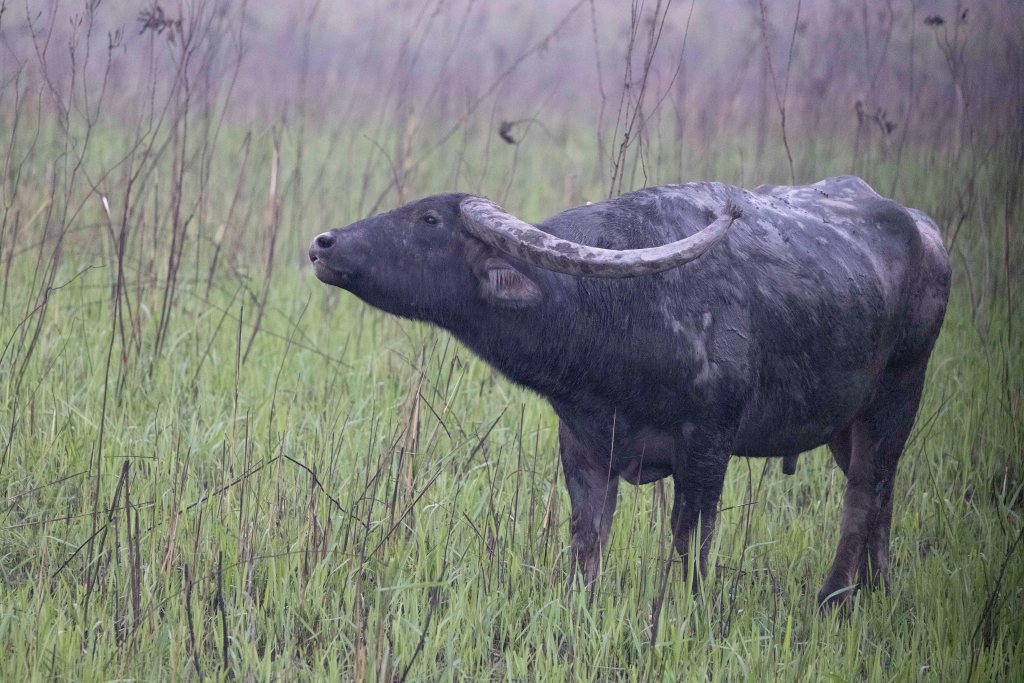
On the first of three visits to Assam this season, still with Cory from 24th to 28th January, we spent two nights in famous Kaziranga and two more at Hollongappar Gibbon Sanctuary, a lesser known, tiny gem of a park. Kaziranga produced the usual suspects (Rhino, Elephant, Swamp Deer, Buffalo, Smooth-coated Otter) in good numbers (including a lifetime’s worth of tourists in the increasingly obnoxiously crowded Central Zone, particularly glaring on this Republic Day associated long holiday). We did, however, miss seeing the now famous ‘golden’ Tiger, a distinct, rare colour morph, with which a bold male has made a territory in the Central Zone and the sporadically seen Greater Hog Badger. Birdlife was engaging for the casual effort we put in, with the park’s swamps and lakes, filled with ducks, geese, storks and other waders/waterfowl, nesting Dusky Eagle Owl and raptors aplenty. Other species of interest included Asian Water Monitor Lizard and the endangered Assam Roofed Turtle. The next two days at Gibbon Sanctuary was as interesting for cats (great views of Jungle Cat in the countryside surrounding the Diganta Gogoi’s excellent Gibbon Homestay and a probable Fishing Cat in the countryside in the drive over from Kaziranga, in the early part of the night), as it was for primates (which included great views of Western Hoolock Gibbon families on both mornings, Capped Langur and Northern Pig-tailed Macaque).
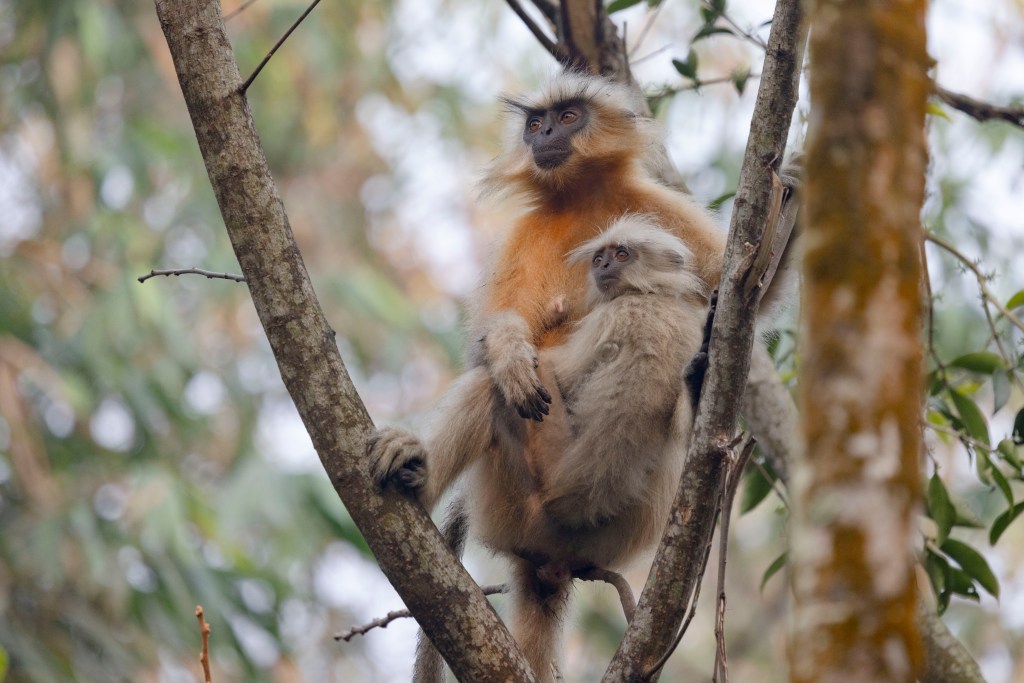
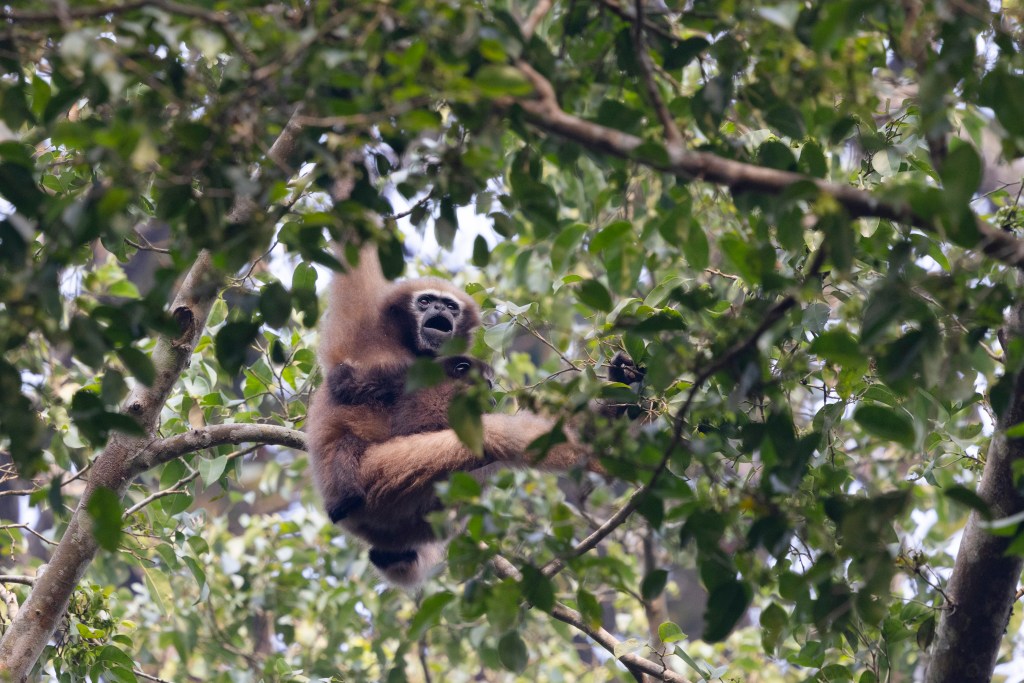
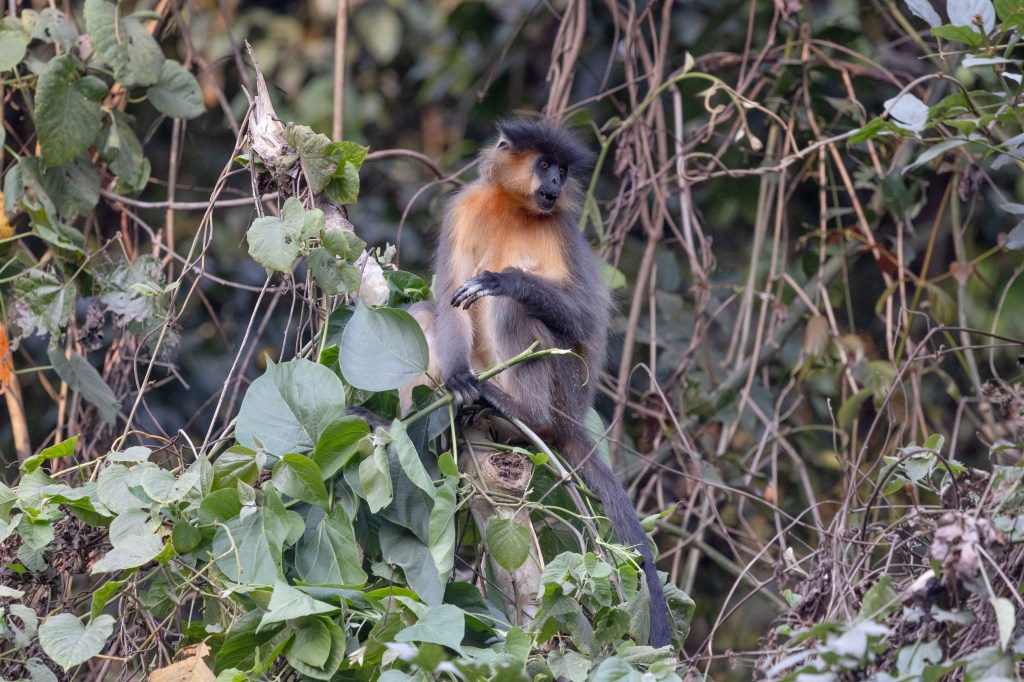
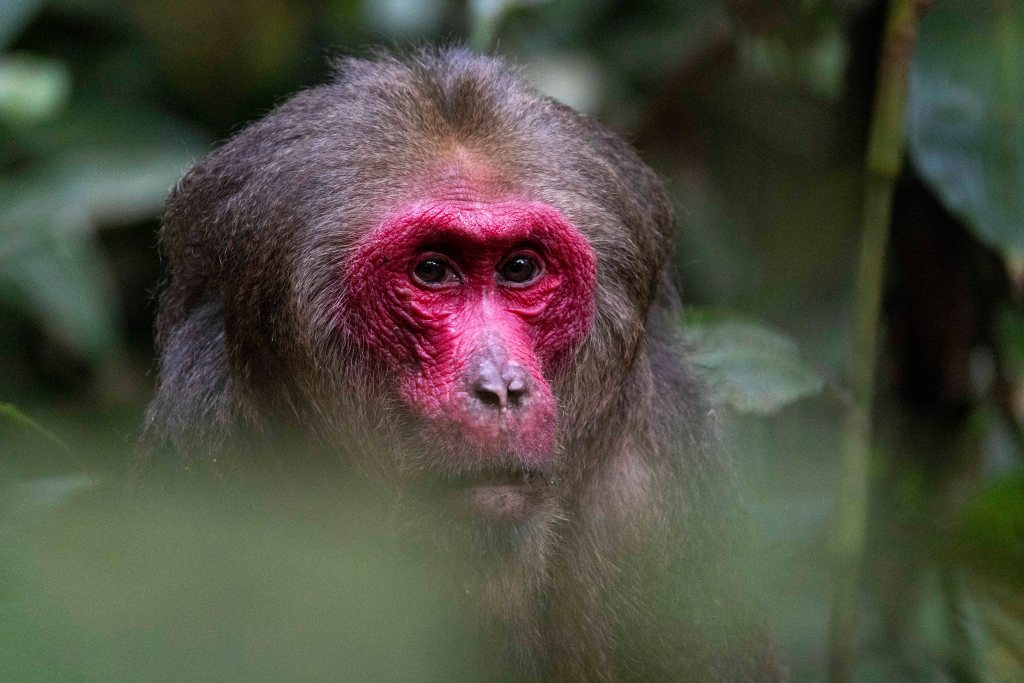
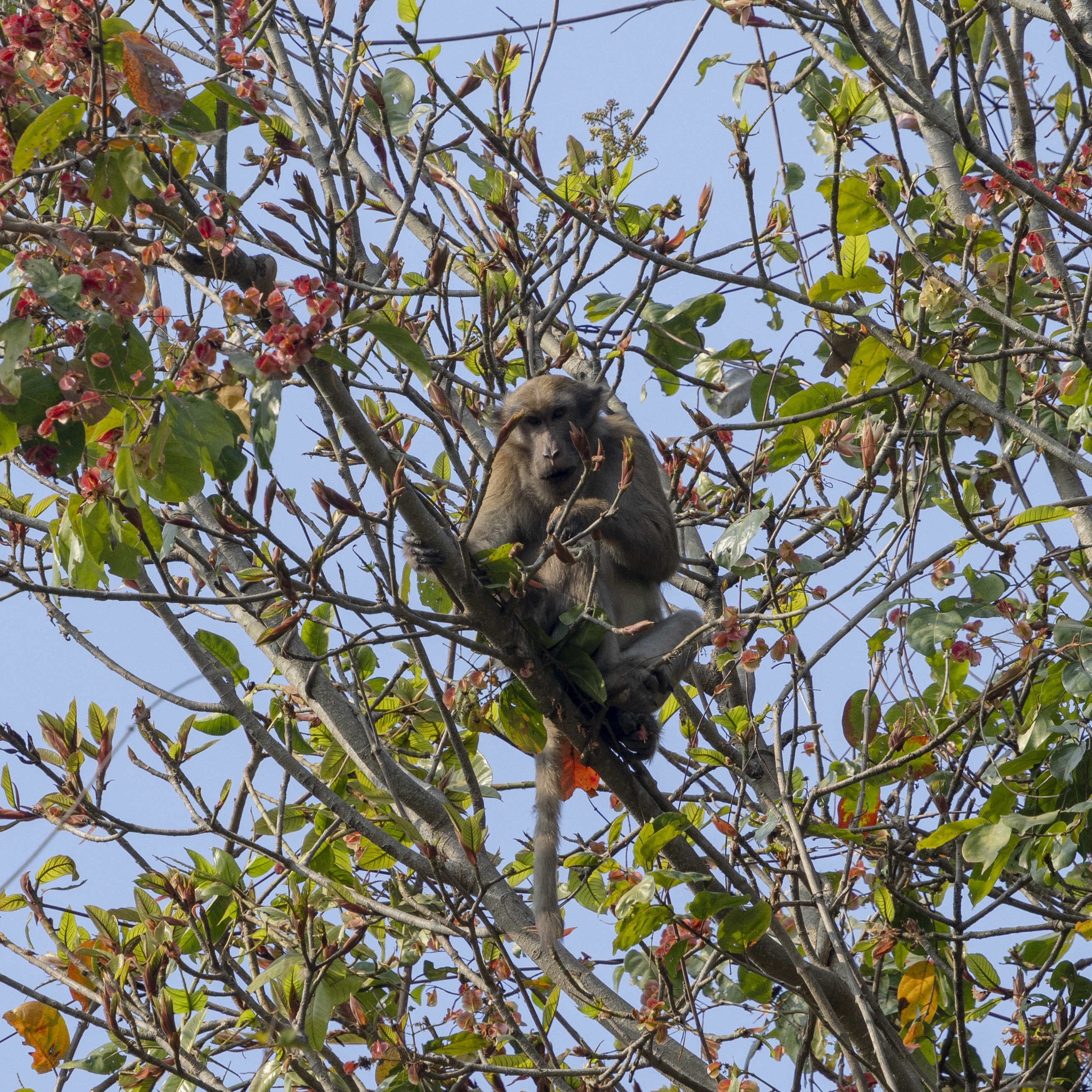
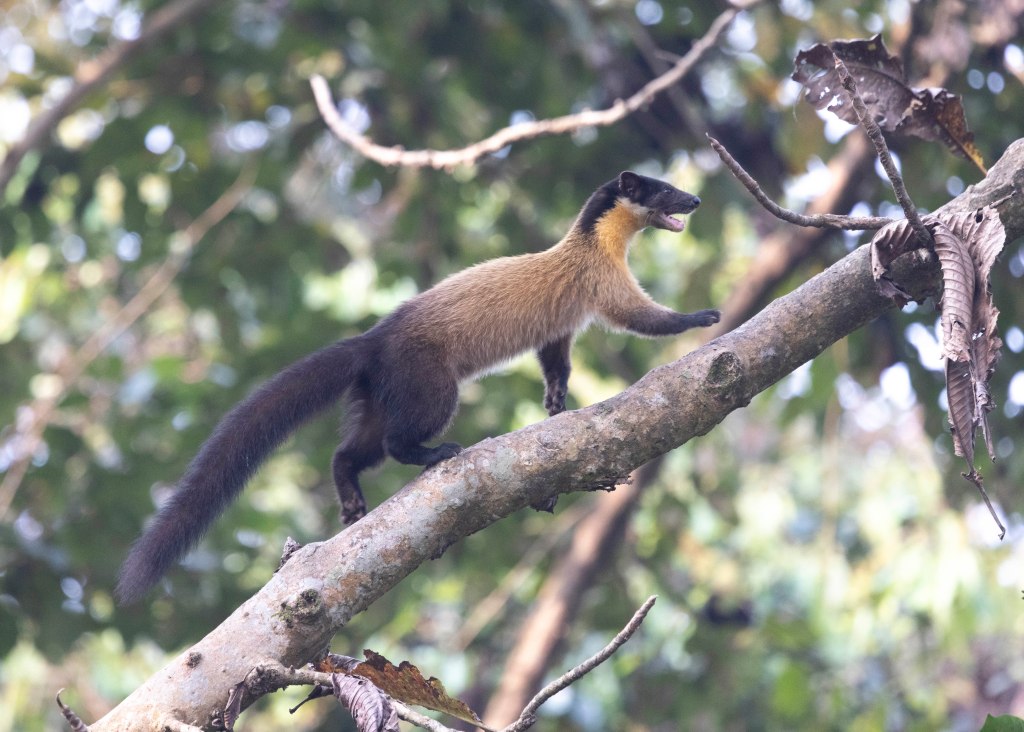
I was back in Assam in mid-Feb, for an enjoyable trip with Sian Waters and Caroline Harcourt. Once again we had Kaziranga and Gibbon Sanctuary in the mix, with an addition of Manas NP to the itinerary. We kicked off proceedings in reverse, starting off at the Gibbon Sanctuary and were almost immediately (usually takes a lot more searching and some stoicism towards leeches, than this) blessed with a fantastic sighting of a troop of 60 odd Stump-tailed Macaques, feeding, grooming (and it takes a lot of that for this hairy species), bickering and the like. The two mornings here was also productive for good views of Western Hoolock Gibbon, Northern Pig-tailed Macaque, Capped Langur, Rhesus Macaque (all the realistically possible primates in the park), with elephants seemingly around the corner, as is not unusual for this sanctuary, for much of this time, as well as Malayan Giant and Pallas’s Squirrels. The countryside at night around Diganta Gogoi’s homestay, once again proved productive for Jungle Cat, but this time also for Leopard, hiding in the tea bushes close to village homes. Kaziranga was typically productive for large congregations of megafauna (we did not see Tiger though, in our 6 safaris here), plenty of Smooth-coated Otters, but perhaps the real highlights from this landscape were of the relatively uncommon Assamese Macaque, great views of Western Hoolock Gibbon and stumbling upon a Large Indian Civet in the forest patch adjacent to IORA (where we stayed), while on a post dinner stroll. Still in the Kaziranga landscape, we also had (typically) fleeting glimpses of the Gangetic Dolphin, where the Jhia Borelli river confluences with the Bramhaputra. A morning with Gee’s Golden Langur, virtually guaranteed at Kakaijana (as always, flawlessly organised by Ankur Burman, this time with excellent local guidance from Haromohan Rabbah), including with a troop that had adopted a young Rhesus Macaque, was followed by four safaris at Manas’s central zone. Manas, while more species rich than Kaziranga, is often ‘quieter’ than the latter and we got a sense of this ‘quietness’. There were of course lovely moments, like beautiful views across the Beki River at the Indo-Bhutanese border (including a sneak into the other side) and some great excellent views of Capped Langur, a vivid sub-species, west of the Jhia Borelli, but the highlight was an unexpected sighting a Yellow-throated Marten, in our final hour here, showing off its impressive tree climbing skills.
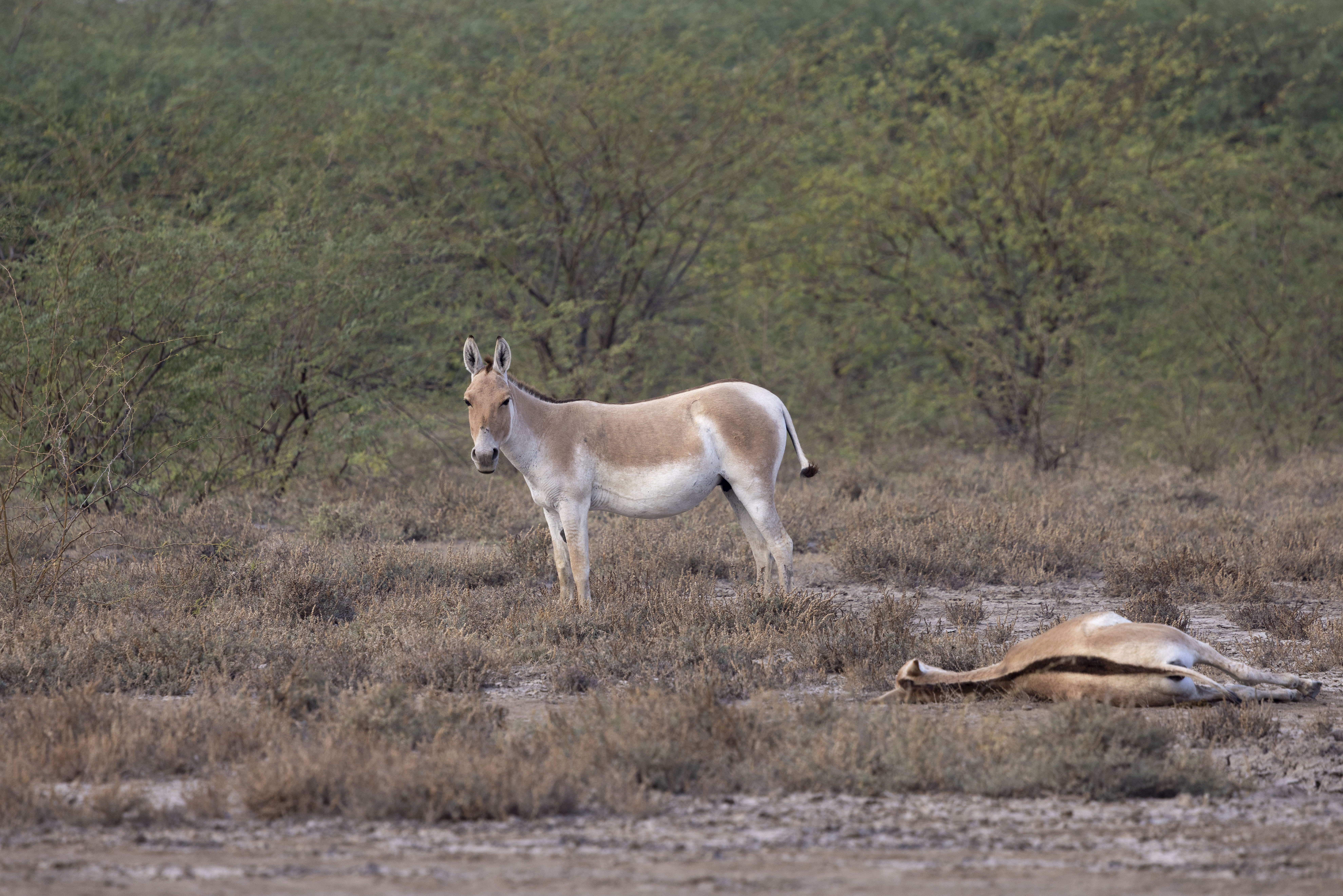
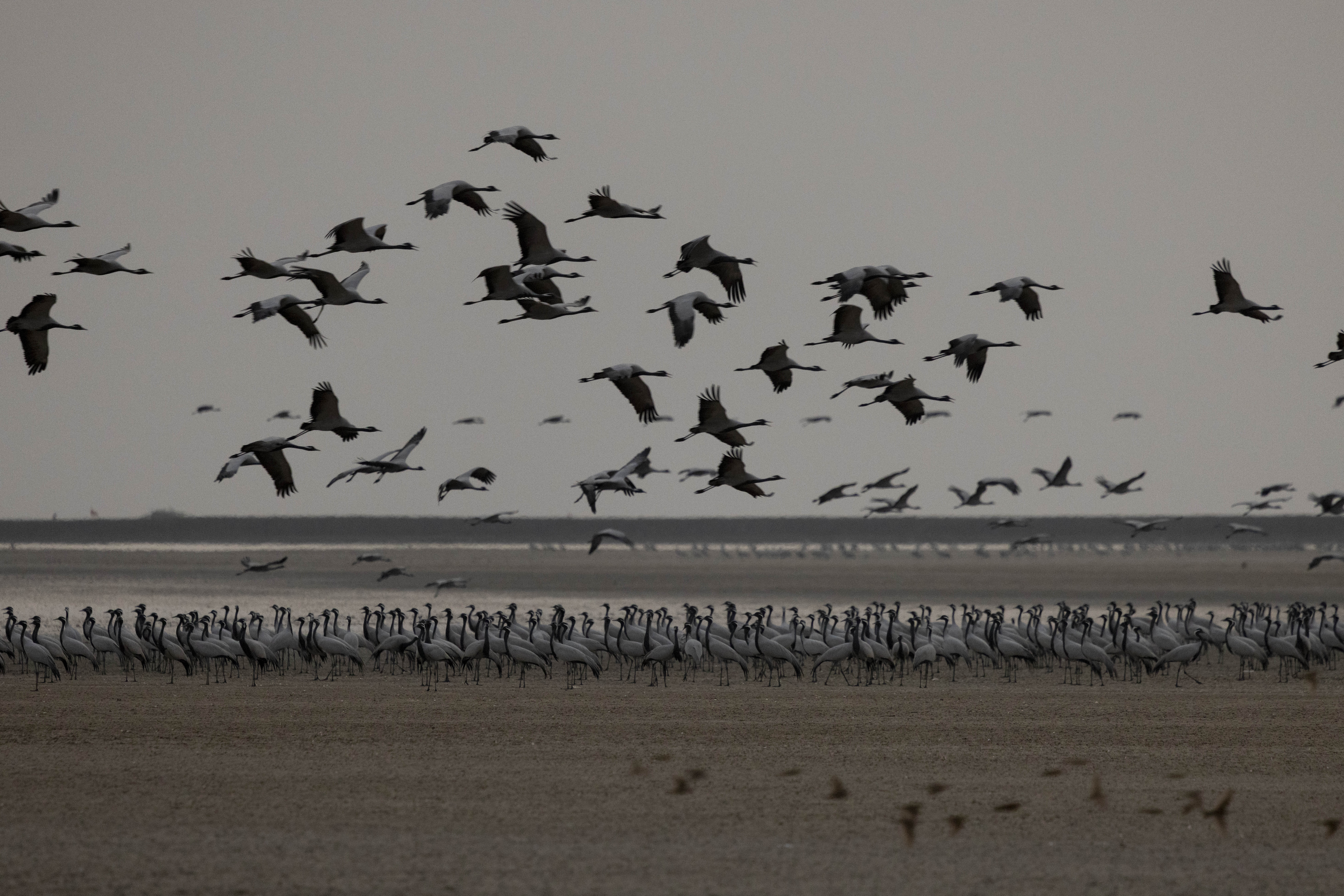
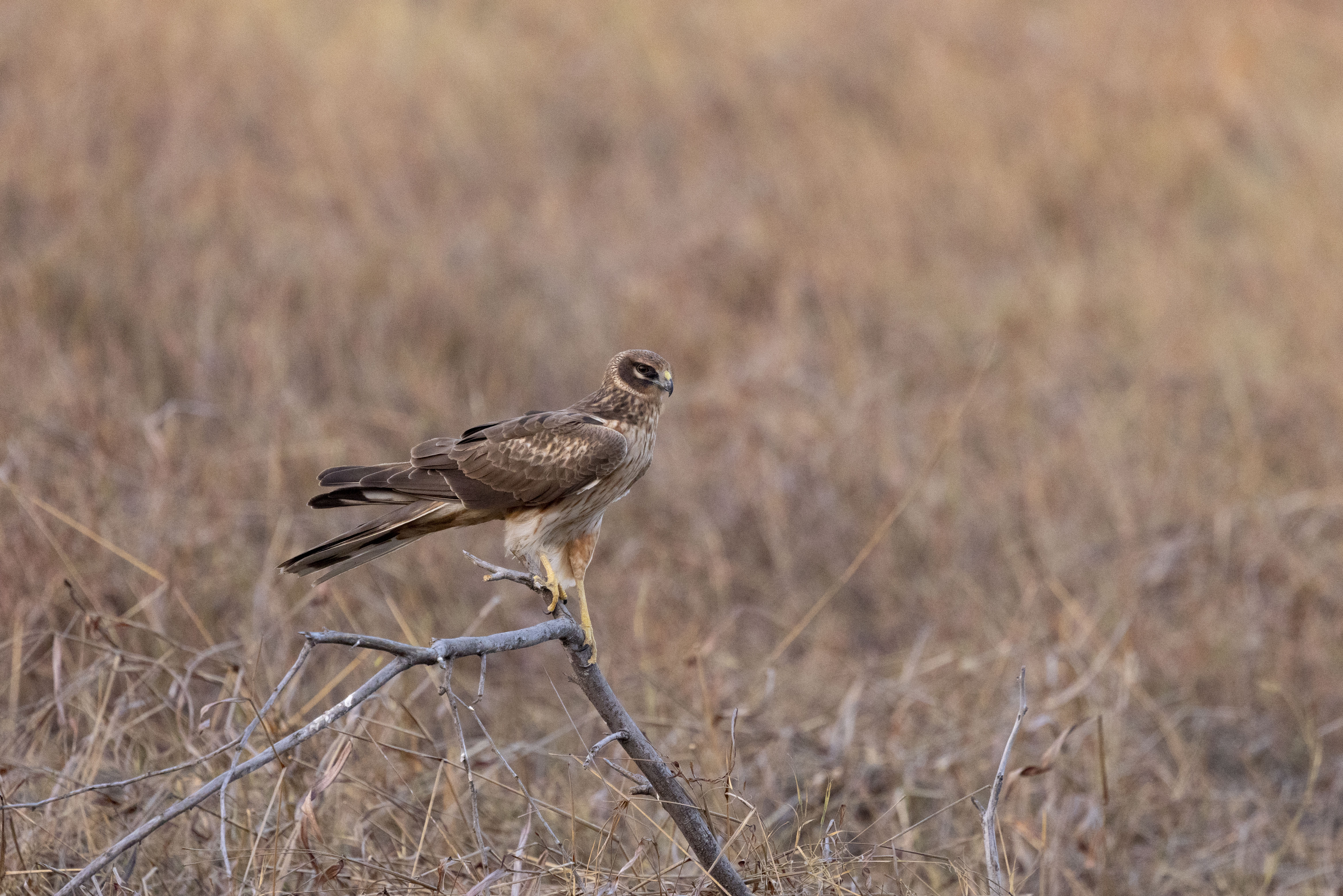
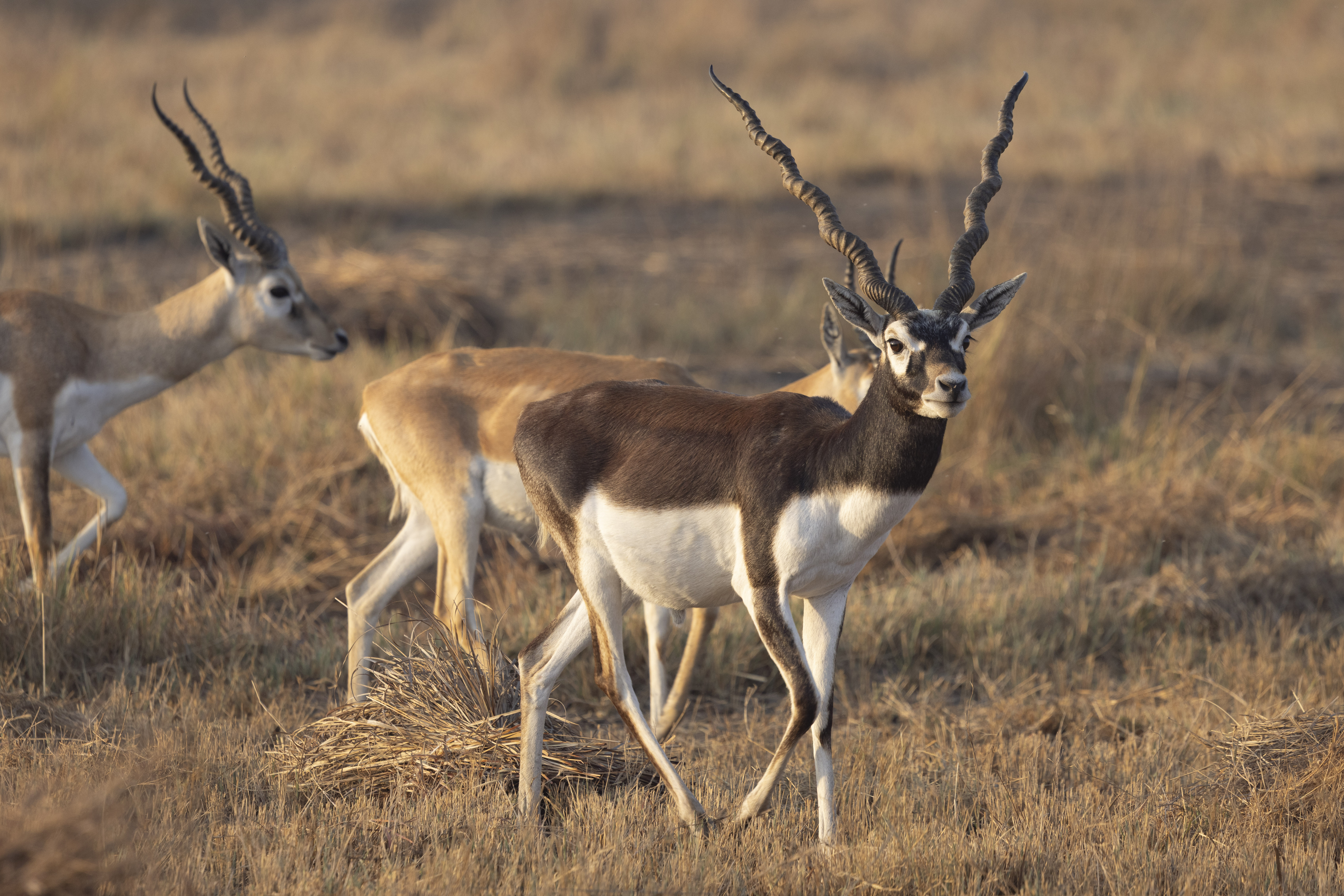
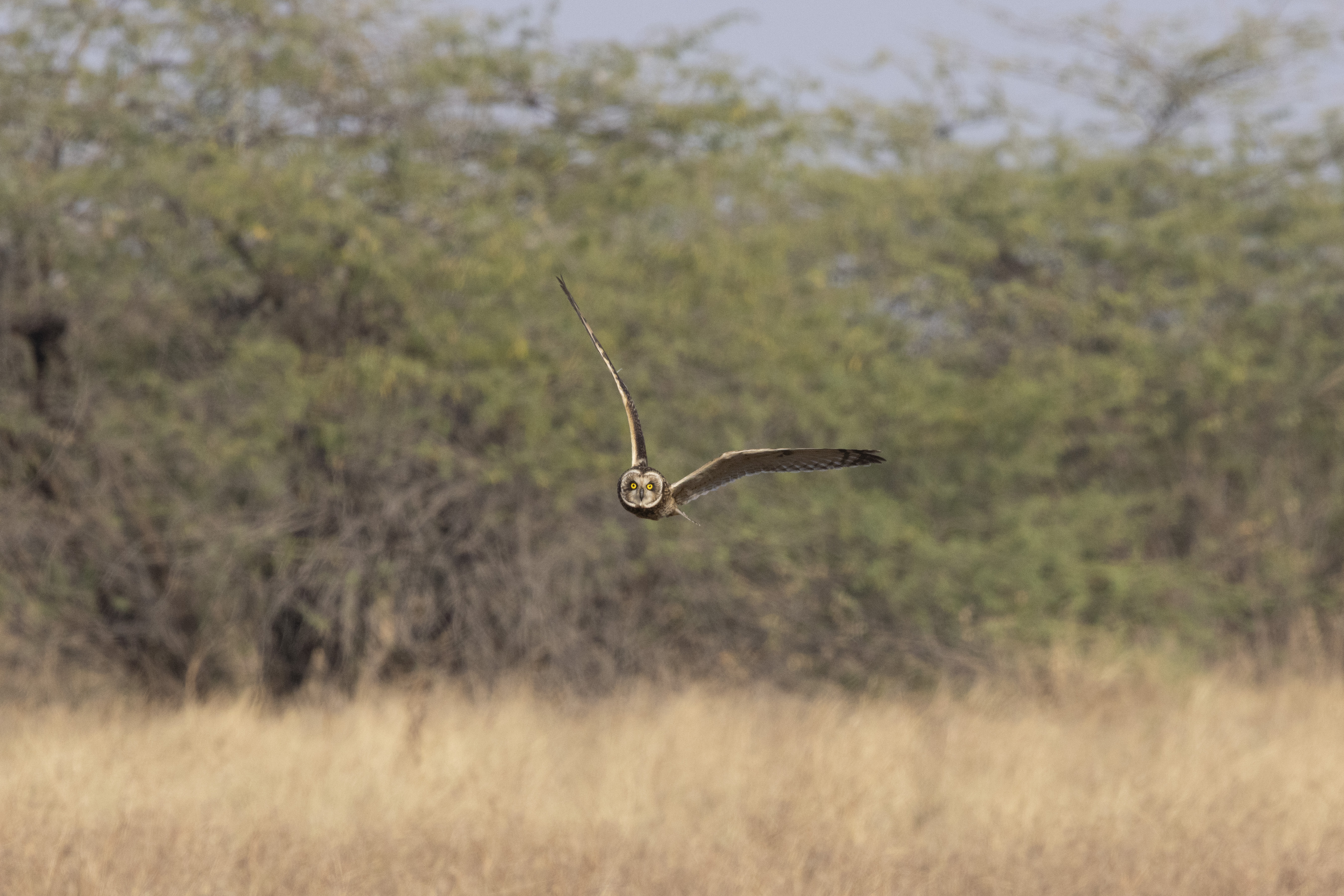
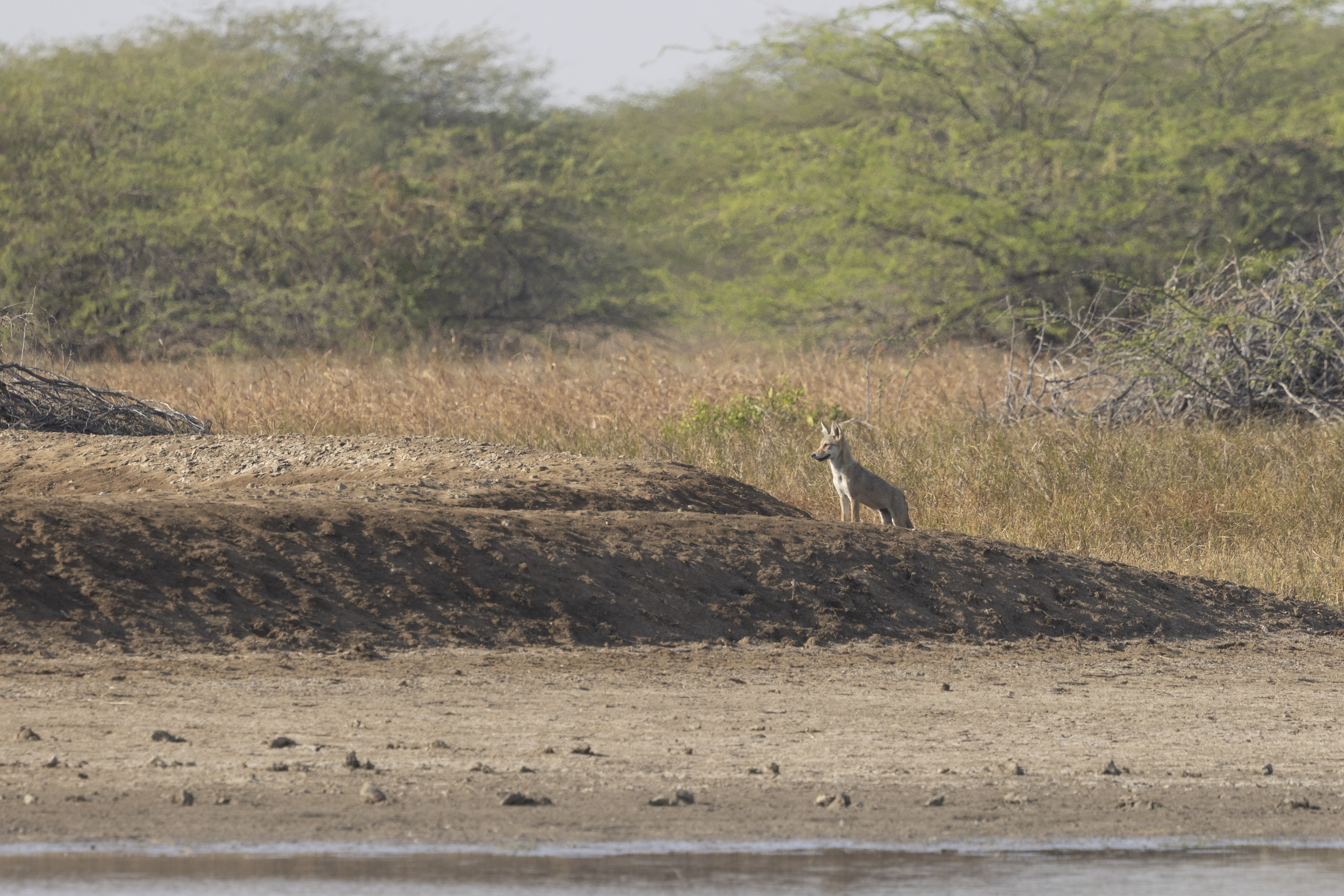
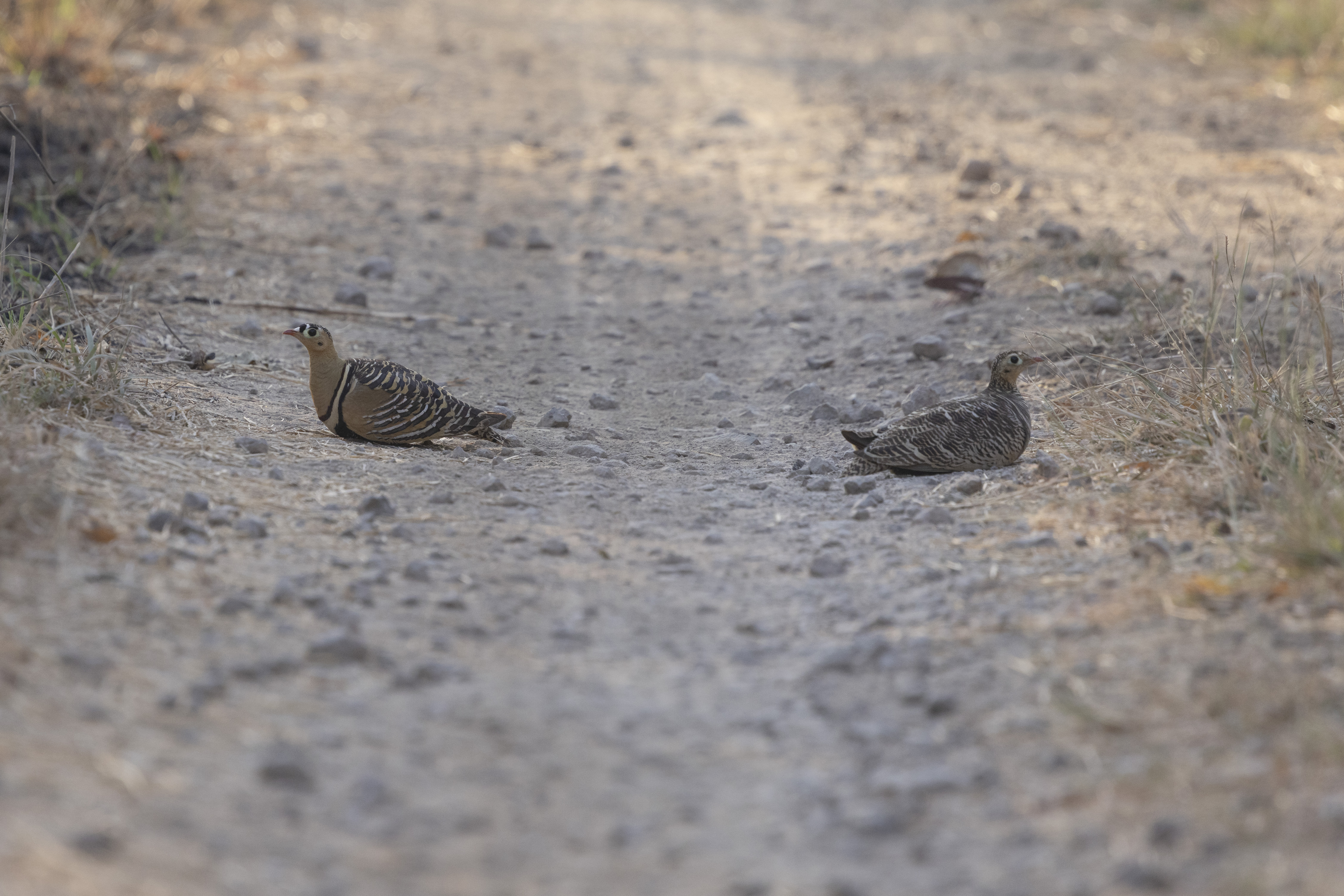
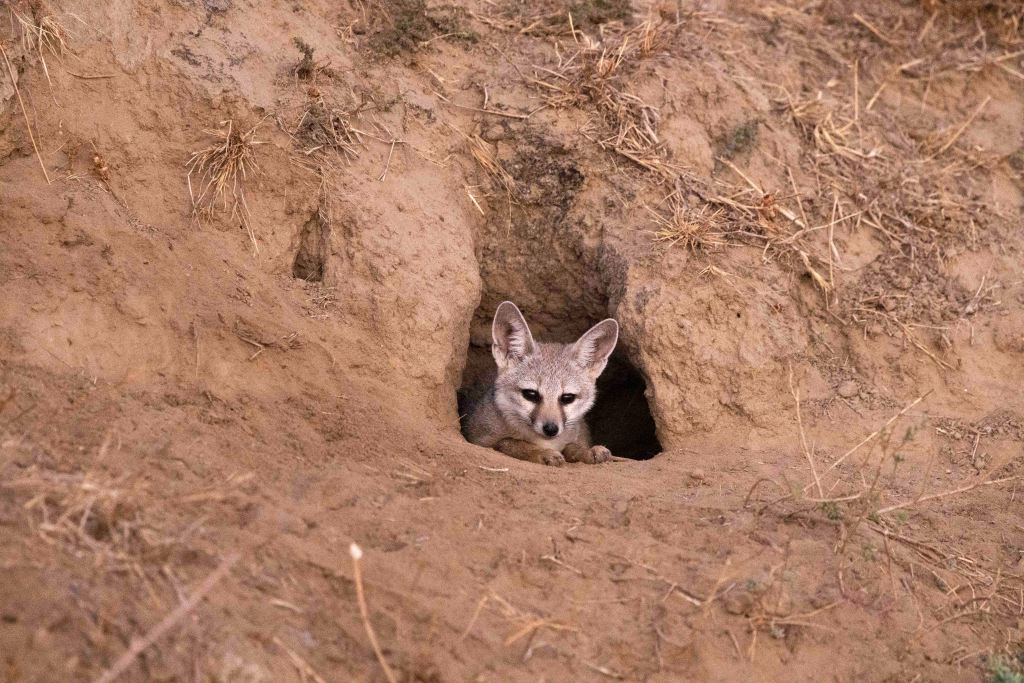
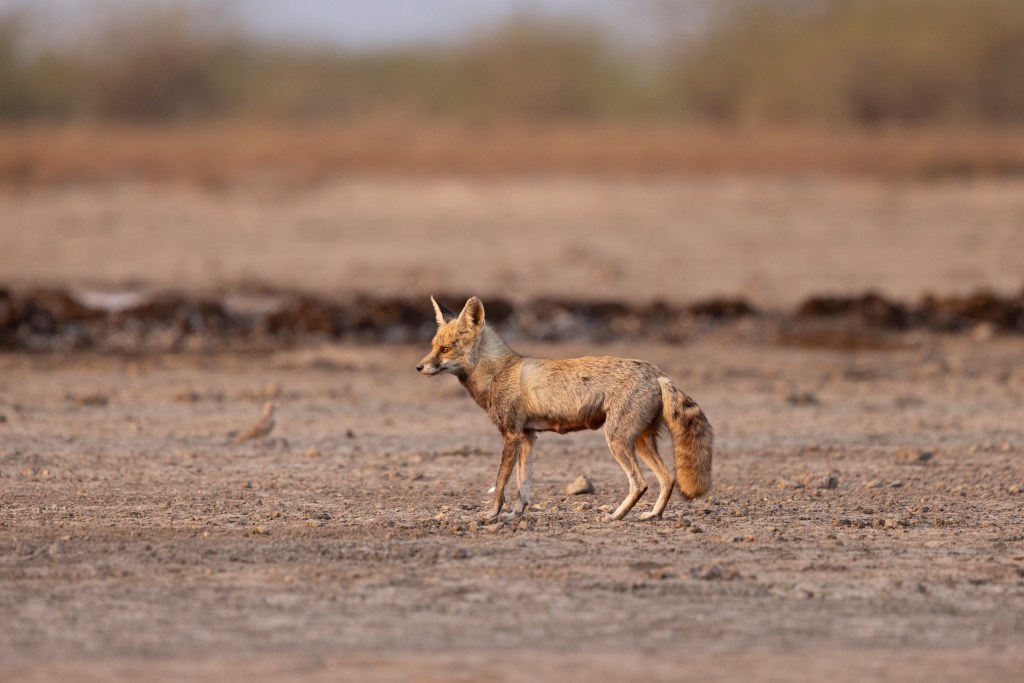
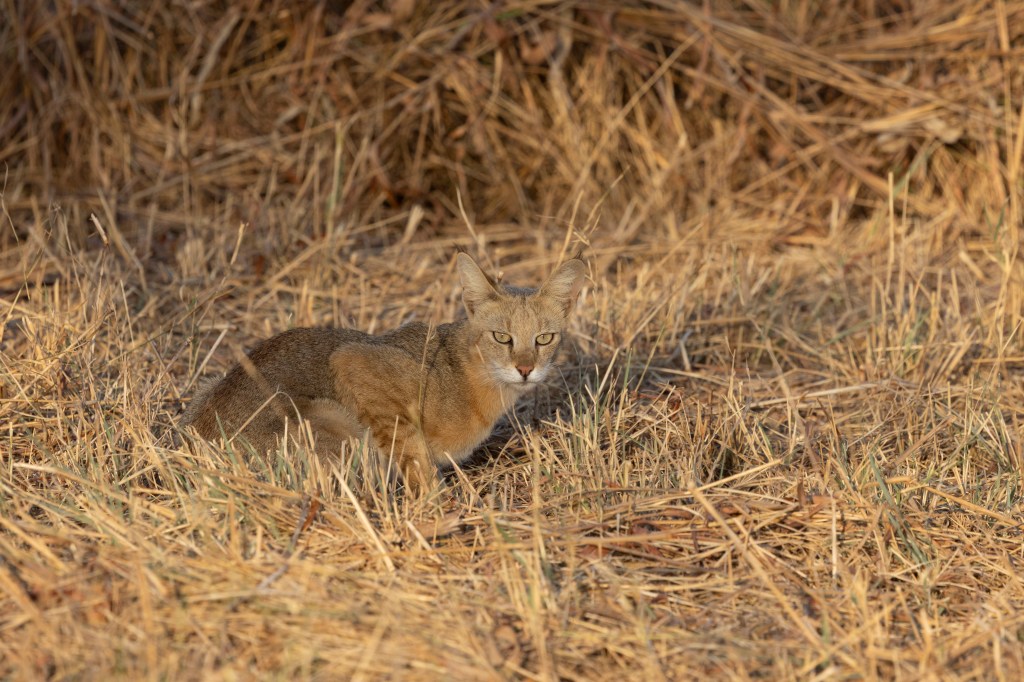
Then came a very enjoyable multi-region visit with Cristina Ruedi and Fritz Baumgartner, whom I had pleasure of meeting and hosting once earlier, on tour through the Western Ghats in 2017, from late February to mid March. Our trip started in the rapidly warming Gujarat, with a night at the Little Rann of Kutch. The evening out into the Rann produced Desert Fox, a regular visitor around a small settlement of salt harvesters, and Indian Wild Ass and culminated with a spectacular congregations of Common and Demoiselle Cranes that came into the roost at sunset. The other highlights from the visit here included Indian Fox and Golden Jackal. The next stop was the Blackbuck NP, home to a tiny park filled with wildlife – a location that never disappoints. We had multiple sightings of Jungle Cat, several of Indian Wolf, including of normally shy and rarely seen pups of the species, Indian Fox, Short-eared Owl, Syke’s Lark, Syke’s Nightjar and raptors aplenty (Montagu’s and Pallid Harriers, Aquila Eagles, and Short-toed Snake Eagle, mostly). We also had good views of denning Indian Foxes, on the periphery of the park, and unlike wolves, the pups much bolder than the mother. One significant miss here was of Striped Hyena, which had recently moved its den to a location that is hidden from the safari roads. Special thanks to Amit, as always, for his local guidance, in a park that never ceases to amaze. The famous Gir (4 safaris here and 1 at Girnar) followed, and did not disappoint, with several lions (prides and males), three Leopards, including a young female with a Gray Langur kill almost as large as herself, but perhaps the highlight of them all, a mother and baby Four-horned Antelope (thanks to Cristina, and her keen eyes, for egging on the id, which I dismissed as Sambar at first glance) that visited a dry riverbed adjacent to our accommodation, in the middle of the day. As always, Gir was bursting with activity, especially chaotic around the reception, but once inside the park, vehicles somehow spread out reasonably well in the route system. A note on Girnar, located about a 2 hour drive from Sasan-Gir, but still within the Gir landscape – while the sanctuary does have potential for wildlife (we saw Lion, Leopard and Painted Sandgrouse in our evening drive here – in essence a microcosm of Gir), it does disappoint with its route system (about 13km back and forth on a single road, adjacent to farmland).
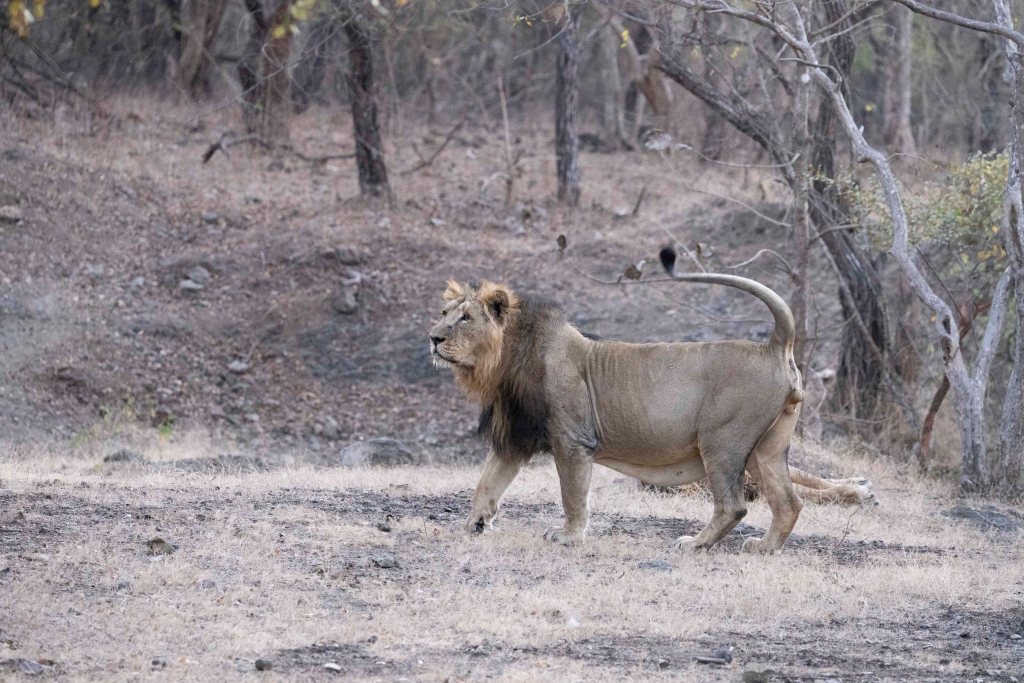
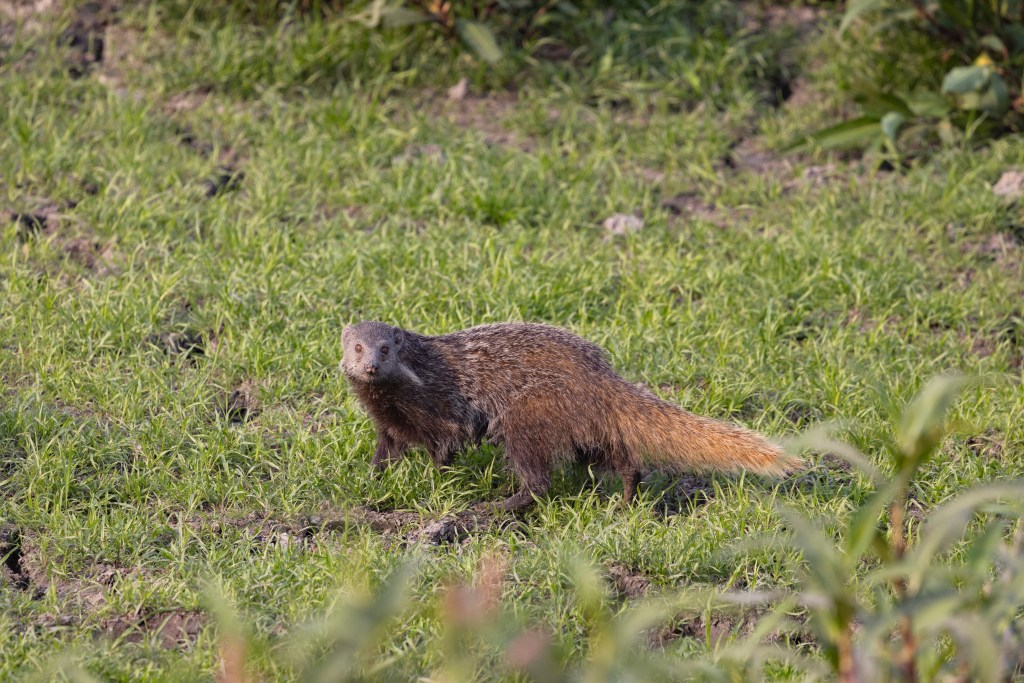
Gir was our last stop in Gujarat and before heading to the floodplains of the Brahmaputra in Assam. Our first stop here was three nights in Manas and surroundings, in what turned out to be a fruitful visit. The four land safaris in Manas, all in the Central Zone, always kept us interested, with Rhino, Elephant, Buffalo, Gaur, Eastern Swamp Deer, Hog Deer, Capped Langur, Malayan Giant, Hoary-bellied and Himalayan Striped Squirrels, buzzing birdlife, alarm calls, keeping us interested at various points in time. However the real highlights from here were of an excellent sighting of a Crab-eating Mongoose, which took its time sniffing us out and of a Tiger, with rich orange winter coat, walking towards us on a safari road, the latter sighting, a throwback in time, when Tigers were still wary of being seen, and the sightings were more ‘exciting’ for that. Manas has always been interesting for the rarities it holds, which anticipation as much the part of the fun as much as seeing in some cases, but it does help that there are more Tigers being seen in the park in the last couple of years (and as I write this, also fairly regular sightings of Melanistic Leopard and Cubs, at the park boundary, where many of the accommodations are – talk of a room with a view!). Thanks to Bijoy for his excellent guiding at Manas. We also spent an entire day west of Manas, the first half at the Kakaijana Reserve Forest to spend time with Gee’s Golden Langur (we saw two troops, both around villages – a habitat they prefer in this region), and later within the reserve forest, waiting in vain, for Chinese Pangolin – apparently a regular to a stream, in summers, around midday. After lunch we visited a stretch of river, where the the Brahmaputra and Manas Rivers confluence, the associated churn, typically good feeding spots for Gangetic Dolphin, of which we saw several, and photographed (practically) none, as they (very momentarily), emerged out of the murky waters for a breath, that afternoon. Our local guide for the day was the excellent Harmahan Rabbah, whose charming family also plays host in a simple homestay in the vicinity of Kakaijana. All our flawless arrangements for our visit in and around Manas was thanks due to the ever reliable Ankur Burman (+91 97063 42001).
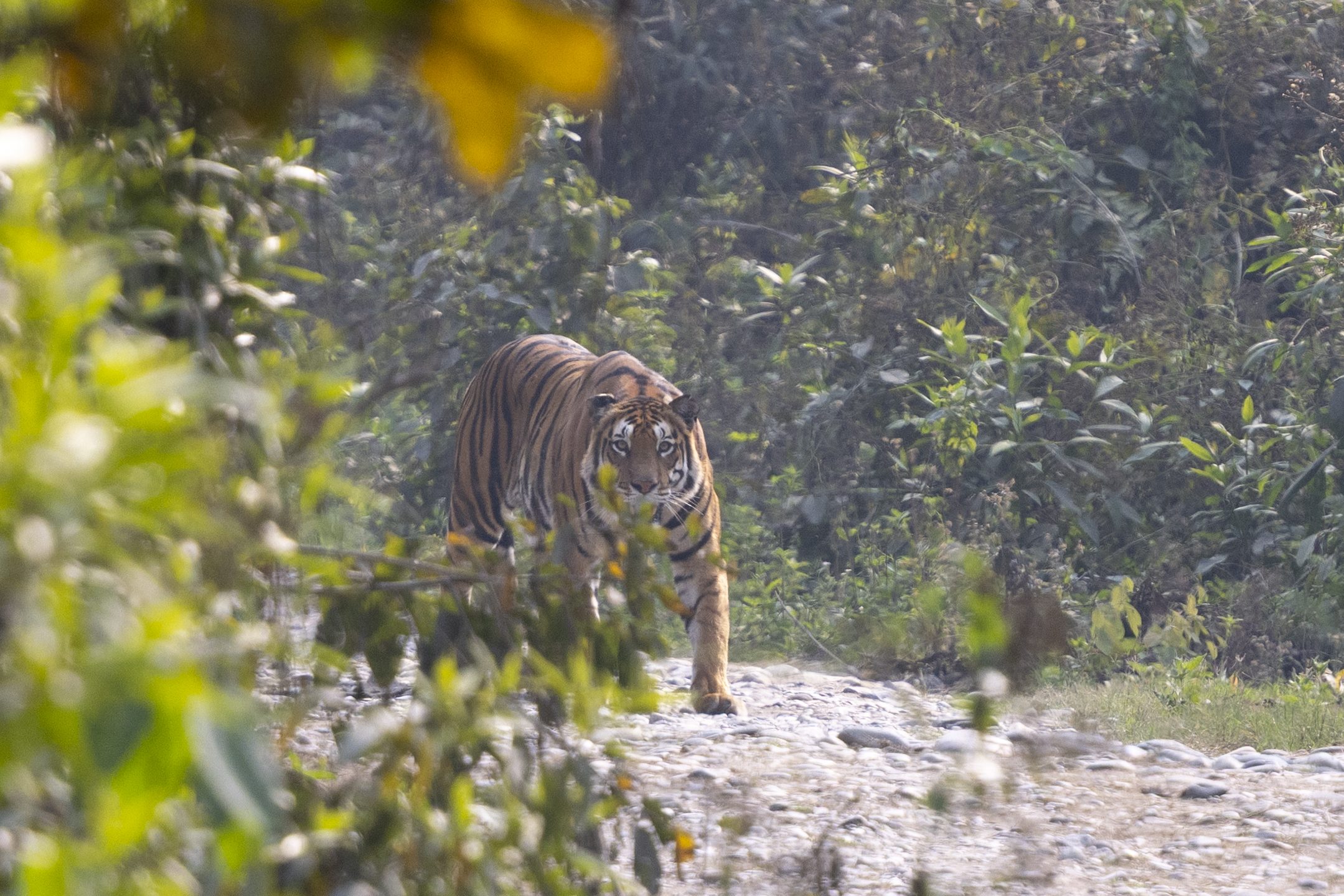
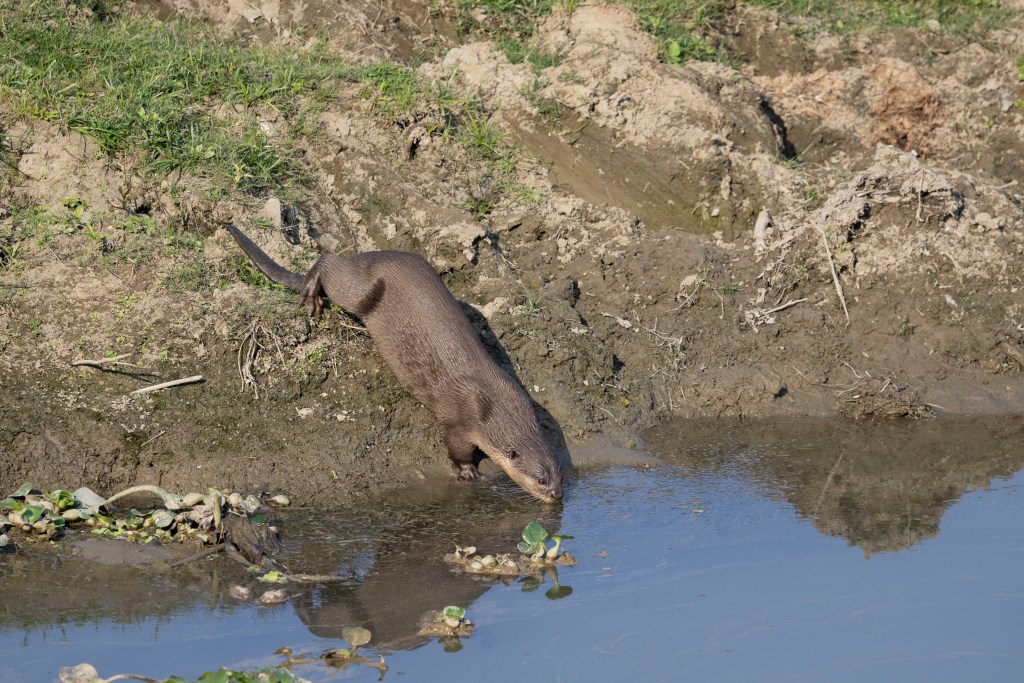
Four nights at Kaziranga, while productive, as typical, for its fantastic congregations of Megafauna (Elephant, Rhino, Eastern Swamp Deer and Water Buffalo), was a touch underwhelming as an overall experience, largely due to an excessively touristy feel, especially at the Central Zone. Case in point, of what should have been a special memory – our sighting of the rare (but a very bold individual) ‘Golden’ Tiger, laying on the edge of a lake, while hordes of loud tourists, us among them (!), gawked at it from countless safari vehicles. There are still parts of the park that are sans this mayhem, thankfully, and we saw Capped Langur, Western Hoolock Gibbon, Malayan Giant and Pallas’s Squirrels and Smooth-coated Otter, in them. An unexpected highlight from this landscape was of a Particoloured Flying Squirrel, (thanks to Cristina for hearing the faintest of sounds it made while feeding in the canopy), on a post- dinner stroll, through a patch of woodland adjacent to our accommodation.
List of Mammals Seen
Western Ghats (4 nights)
V: Valparai; M: Munnar area (Eravikulam and Chinnar); C: Countryside
Lion-tailed Macaque (V)
Bonnet Macaque (V, M)
Nilgiri Langur (V, M)
Tufted Gray Langur (V, M)
Indian Giant Flying Squirrel (V)
Malabar Giant Squirrel (V, M)
Grizzled Giant Squirrel (M)
Three-striped Palm Squirrel (C)
Jungle Striped Squirrel (V)
Leopard (V)
Sloth Bear (V)
Small Indian Civet (V)
Indian Brown Mongoose (V)
Stripe-necked Mongoose (V)
Indian Spotted Chevrotain (V)
Nilgiri Tahr (V, M)
Gaur (V, M)
Elephant (V)
Sambar (V)
Indian Muntjac (V, M)
Spotted Deer (M)
Wild Pig (V)
Indian Hare (V)
Lesser Short-nosed Fruit Bat (V)
Gujarat (7 nights)
G: Gir; V: Velavadar; LRK: Little Rann of Kutch
Spotted Deer (G)
Sambar (G)
Blackbuck (V)
Four-horned Antelope (G)
Nilgai (LRK, V, G)
Indian Hare (LRK, V)
Asiatic Lion (G)
Common Leopard (G)
Jungle Cat (V)
Golden Jackal (LRK, V, G)
Indian Fox (LRK, V)
Desert Fox (LRK)
Indian Grey Wolf (V)
Indian Grey Mongoose (V, G)
Northern Plains Langur (G)
Indian Flying Fox (LRK)
Five-striped Palm Squirrel (LRK, V, G)
Wild Pig (LRK, V, G)
Assam (20 nights)
M: Manas/Kakaijana; K: Kaziranga; GS: Hollongappar Gibbon Sanctuary
Tiger (M, K)
Common Leopard (GS)
Jungle Cat (M, GS)
Fishing Cat? (GS)
Large Indian Civet (K)
Crab-eating Mongoose (M)
Yellow-throated Marten (M)
Smooth-coated Otter (K)
Eurasian Otter? (K)
Gangetic Dolphin (M, K)
Gee’s Golden Langur (M)
Capped Langur (M, K, GS)
Assamese Macaque (K)
Northern Pig-tailed Macaque (GS)
Stump-tailed Macaque (GS)
Rhesus Macaque (M, K, GS)
Western Hoolock Gibbon (K, GS)
Asiatic Water Buffalo (M, K)
Indian Rhinoceros (M, K)
Indian Elephant (M, K)
Eastern Swamp Deer (M, K)
Hog Deer (M, K)
Sambar (M, K)
Indian Muntjac (M, K)
Indian Flying Fox (K)
Particoloured Flying Squirrel (K)
Pallas’s Squirrel (K, GS)
Hoary-bellied Squirrel (M, K, GS)
Himalayan Striped Squirrel (M)
Malayan Giant Squirrel (M, K, GS)
Indian Hare (M, GS)