Author: Ravi Kailas (ficustours@gmail.com)
Dates
23rd Feb to 8th March 2025
Locations Visited
Kakaijona; Manas NP; Eaglenest WLS; Kaziranga NP and Hollongappar Gibbon WLS
Tour Participants
Clients: Jannis Göttling and Heike Göttling
Naturalist: Ravi Kailas
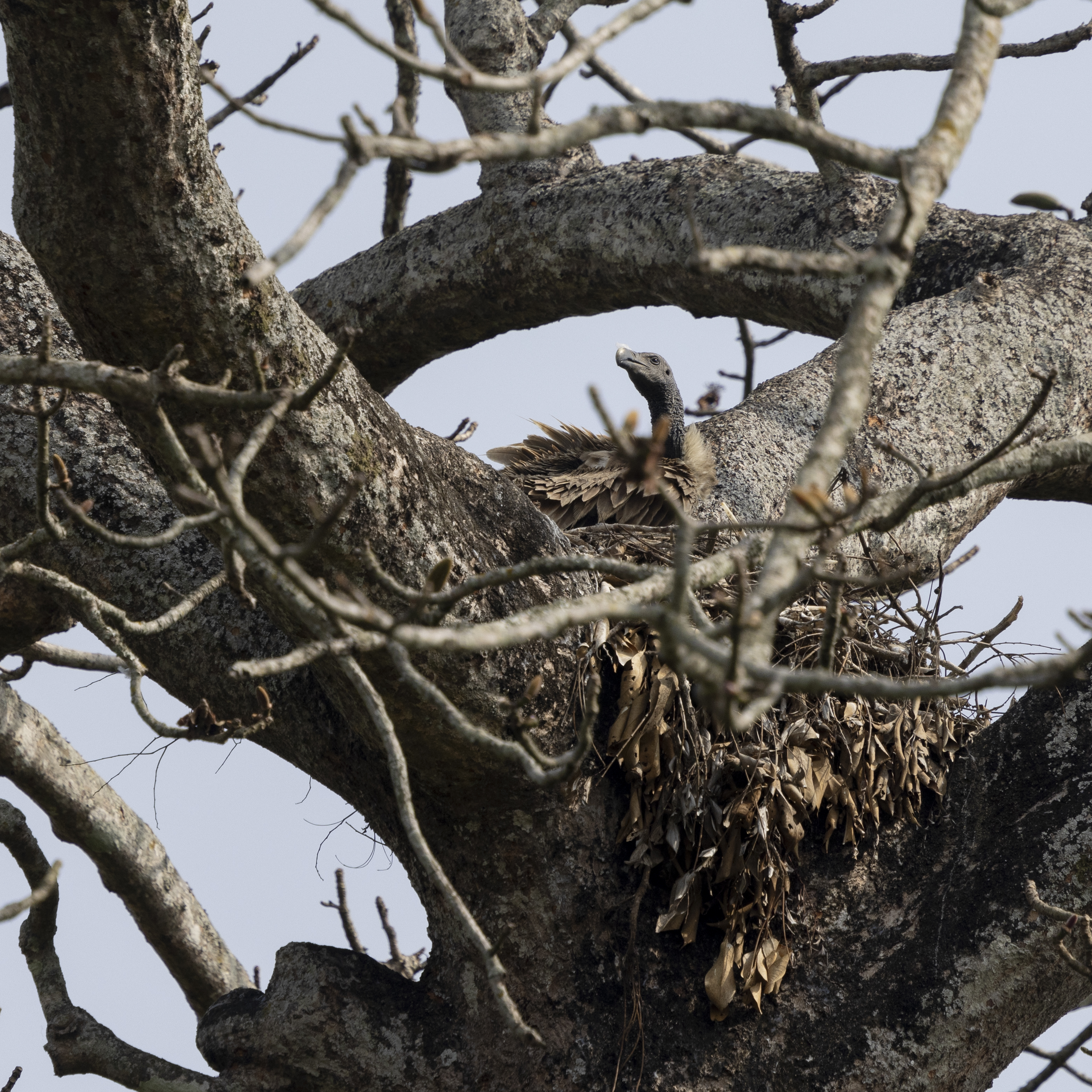
A natural history oriented visit to the Eaglenest Wildlife Sanctuary and the Assam Plains produced 31 species of identifiable mammals and a handful of bird specialities of the region. While not quite as productive as it could have been among mammals (we missed Stump-tailed and Arunachal Macaque, had uncertain sightings of Assamese Macaque and Tiger among species we could have reasonably expected to see), we did see Mainland Leopard Cat, Himalayan Marten, Ganges River Dolphin, Gee’s Golden Langur, Western Hoolock Gibbon, Northern Pig-tailed Macaque, 10 species of Sciurids (the most productive group of mammals on the trip) and an as healthy as expected congregation of Megafauna at Kaziranga. While we did not focus specifically on birds, we did see Ward’s and Red-headed Trogons, Fire-tailed Myzornis, Wreathed and Great-Pied Hornbills, Swamp Francolin, Slender-billed Vulture, Pallas’s Fish Eagle, Greater Adjutant and Bengal Florican. A Indian Rock Python, several of the endangered Assam Roofed Turtle, Water Monitor Lizard and a Spotted Pond Turtle were the only highlights from other groups of fauna. It was a pleasure to host Jannis and Heike, on their second trip exploring India’s wild places with us.
Days 1, 2 & 3, Kakaijona and Manas: Our trip started at Guwahati, with a sensory overload at the Boragaon Waste Disposal site, firmly on the global birding community’s map as the most reliable site for the endangered Greater Adjutant Stork. We saw several of the imposing creatures, perched on heaps of garbage, characteristic, dangling gular pouch and all, silhouetted in an all encompassing smoky haze. Just like in most pictures of them.
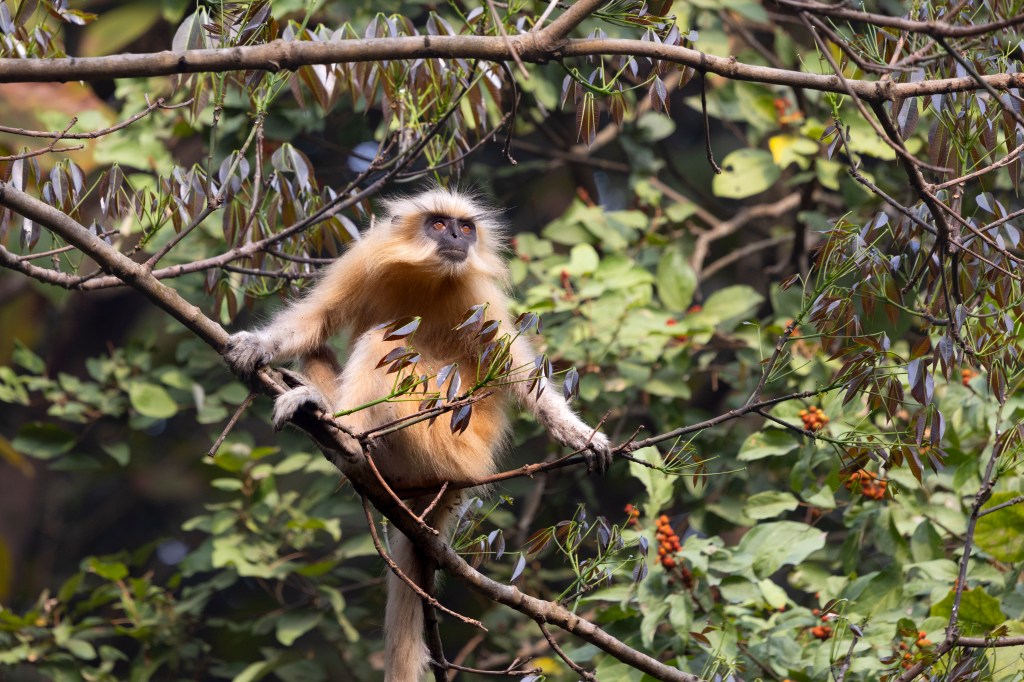
A session on a foggy morning at Kakoijana Reserve Forest, a tiny fragment on the Manas River Basin, begun slow but later proved productive for great views of the highly range restricted and endangered Gee’s Golden Langur, as they became active when the sun burnt through the fog. This disturbed patch, all of 17 sqkm, of largely secondary forest holds a high density of the species (400 individuals according to the reliable Ankur Burman (+91 97063 42001), who organised this visit and guided us at Kakoijana). This session also included a local style breakfast in an idyllic village home, the highlight of which was a dish of sticky rice steamed in a leaf (not sure which one), served with a tiny, albeit highly potent chilli, in aromatic (infused with the chilli goodness) mustard oil (there was some jaggery and yoghurt to take a edge off a little).
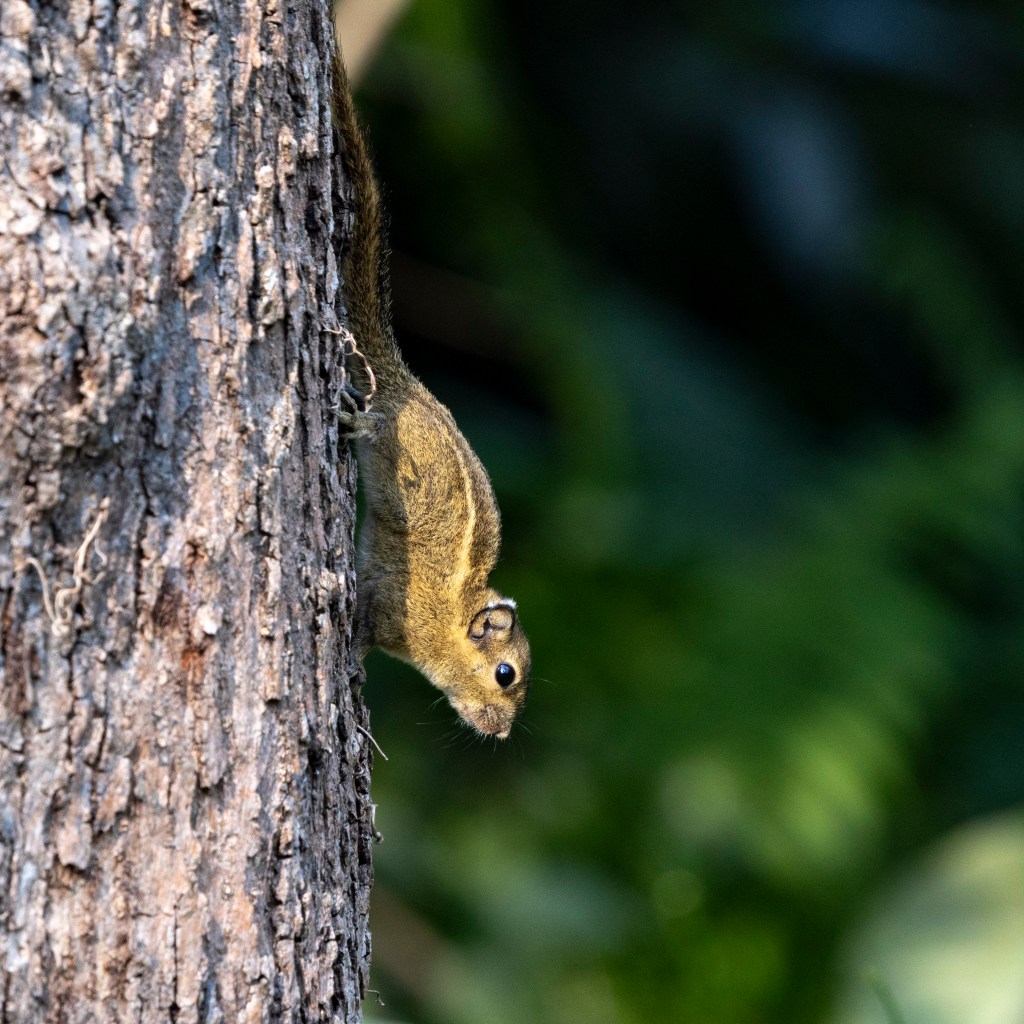
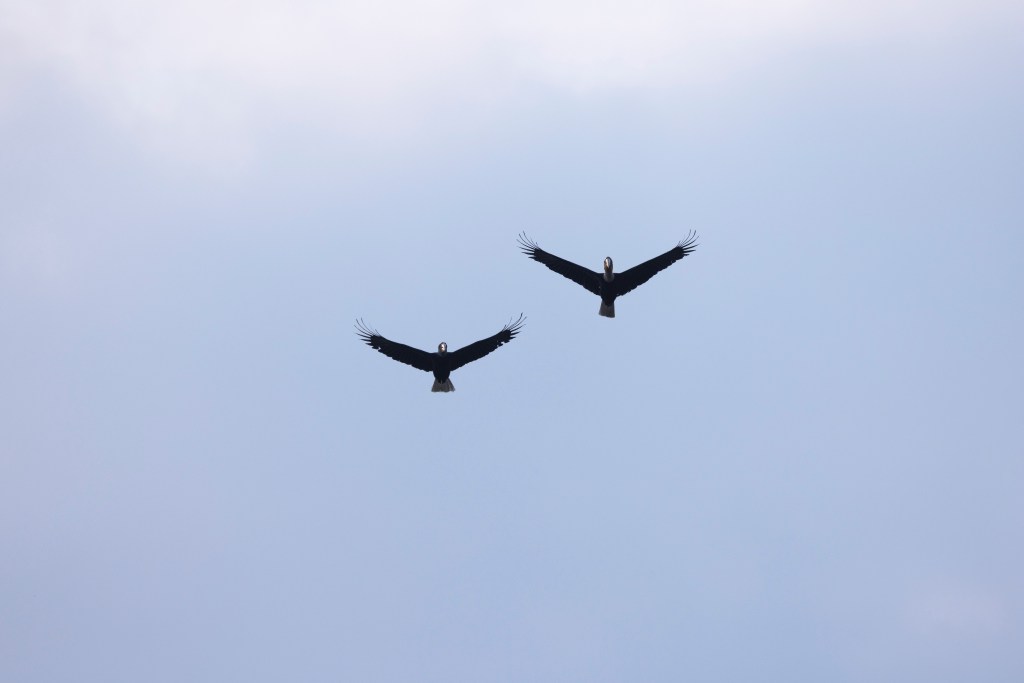
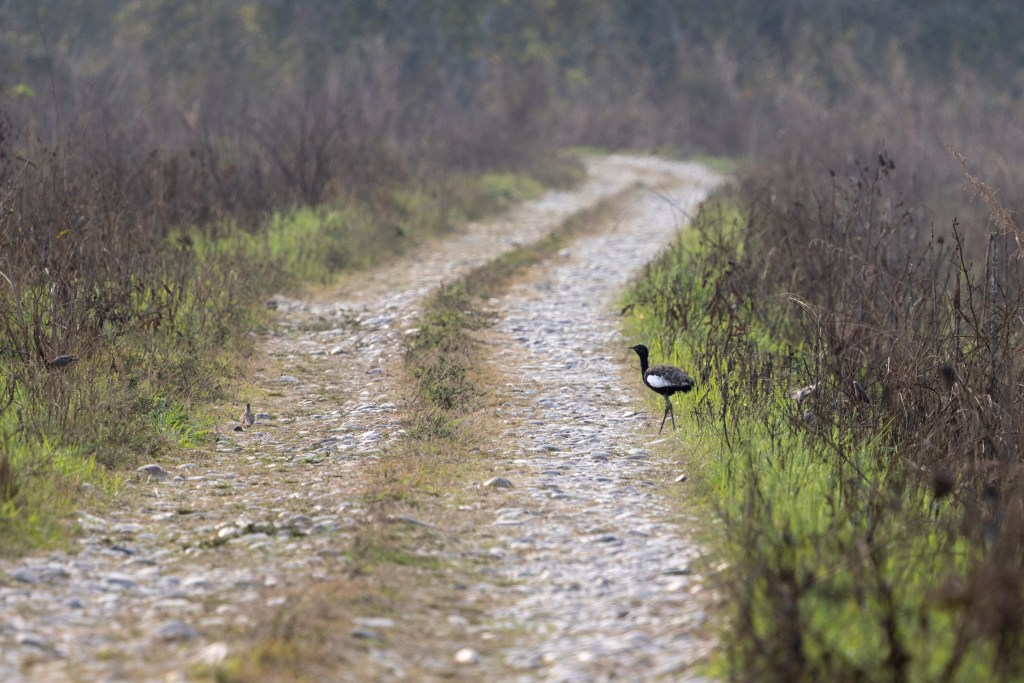
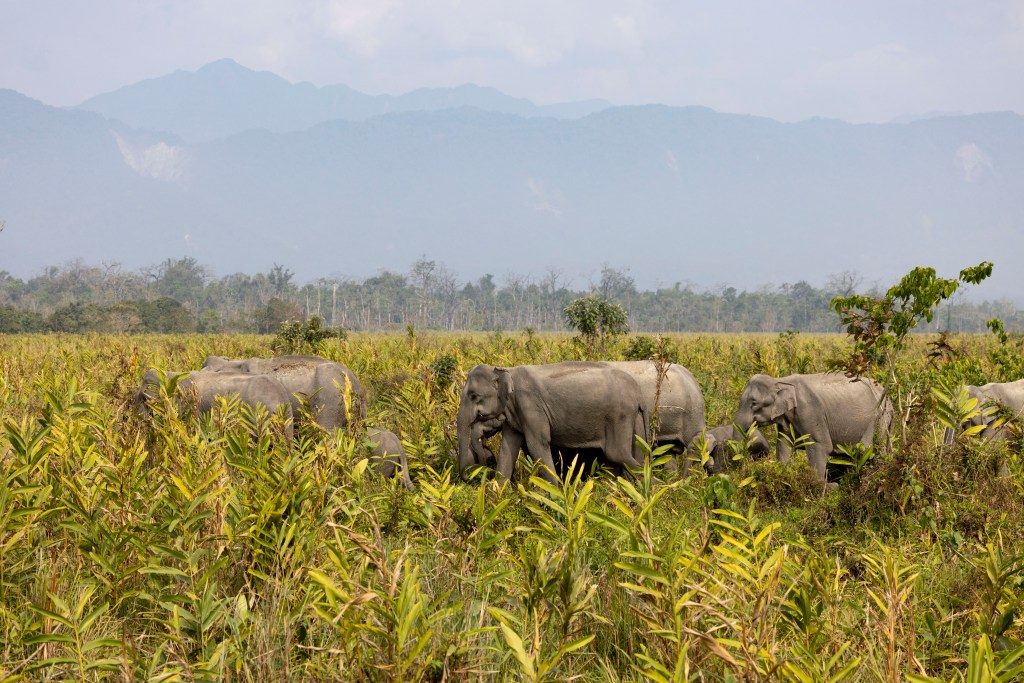
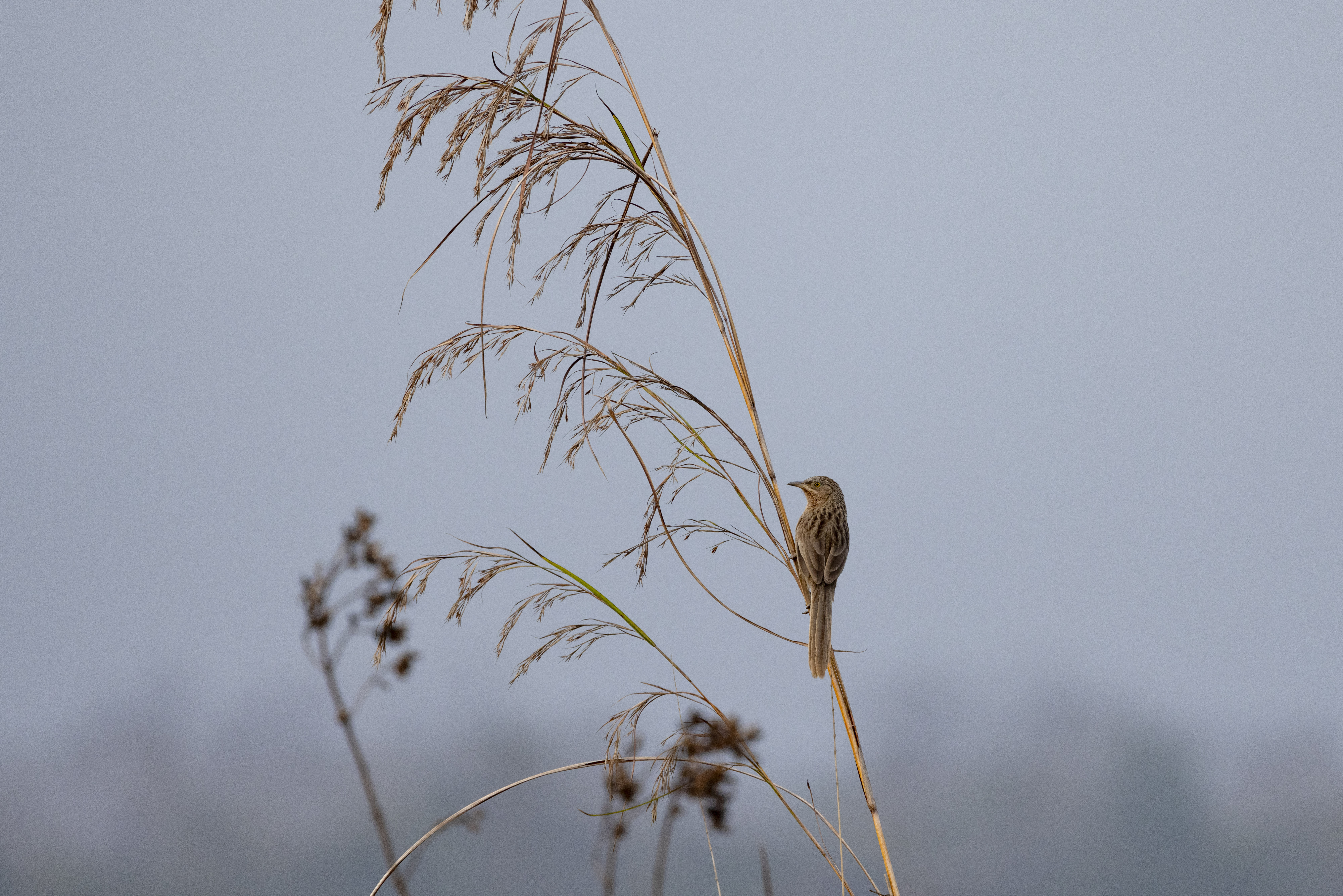
In our three sessions at Manas NP, we only had one Monday evening safari at the Central Zone, the best in general for wildlife (the zone is closed on Tuesdays, which was a only full day we had in the park). The ride was, as typical for this part of Manas, interesting with Capped Langur, Indian Rhino, Gaur, Himalayan Striped Squirrel, Wreathed and Great Pied Hornbills, Grey-lored Broadbill, Brown Crake, Greater Painted Snipe, numerous Asian Barred Owlet and lovely views (including of a pair of Wreathed Hornbill flying between the forest canopy on either bank of the river) across the Manas River at Mathungari, on the Indo-Bhutan border. Tuesday was spent in the (predominantly) grasslands of the Eastern range of Manas, looking for, and getting good views of the endangered Bengal Florican, but also species like Chestnut-capped and Striated Babblers, Little Bunting, Elephant and Eastern Swamp Deer as well as not seeing numerous Pygmy Hog, Hispid Hare and the like that were hidden in the elephant grass, as we passed by. The Eastern Zone is indeed the better for grassland specialists, such as the Bengal Florican, but not quite as diverse as the more wooded Central Zone, where species like Mainland Clouded Leopard and Binturong have been recorded, along with regular sightings of more down to Earth denizens like Common Leopard (not regular enough, as it turned out for that though). Another species we hoped to see here was the uncommon Crab-eating Mongoose, but had no luck in the all too brief effort in typically marshy habitat where they are normally seen in these parts.
The logistics in Manas (as in Kakoijana) was also organised by Ankur Burman.
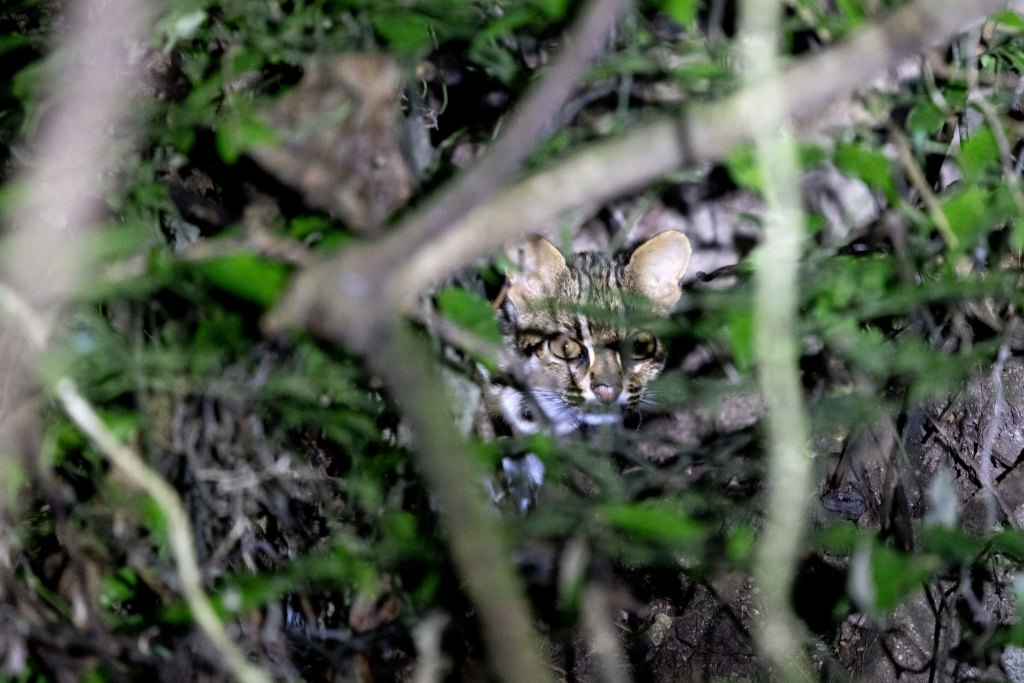
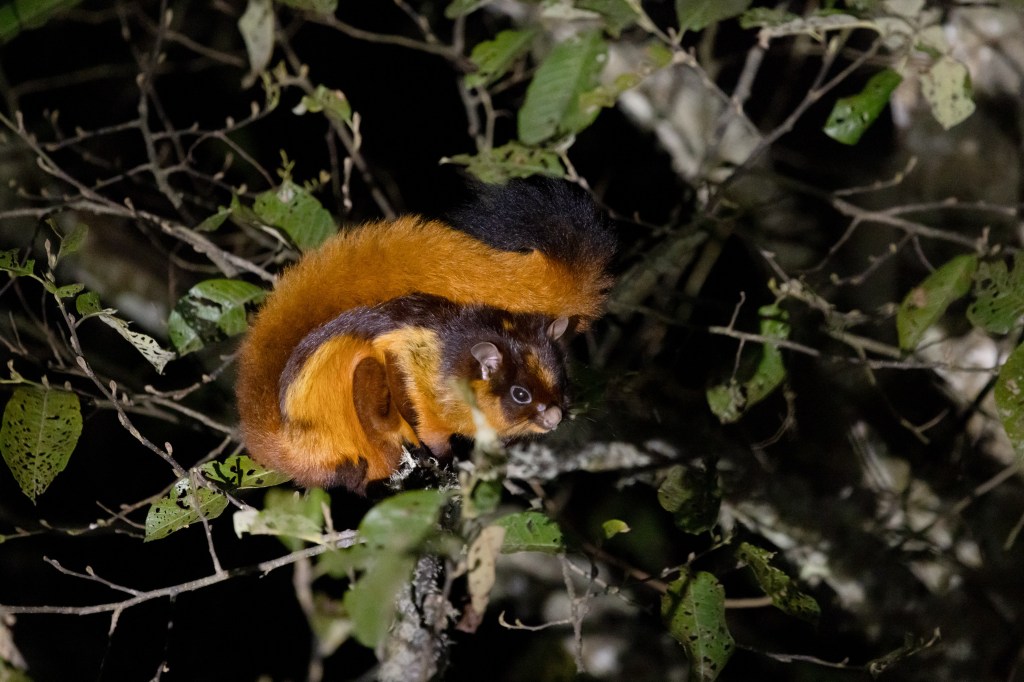
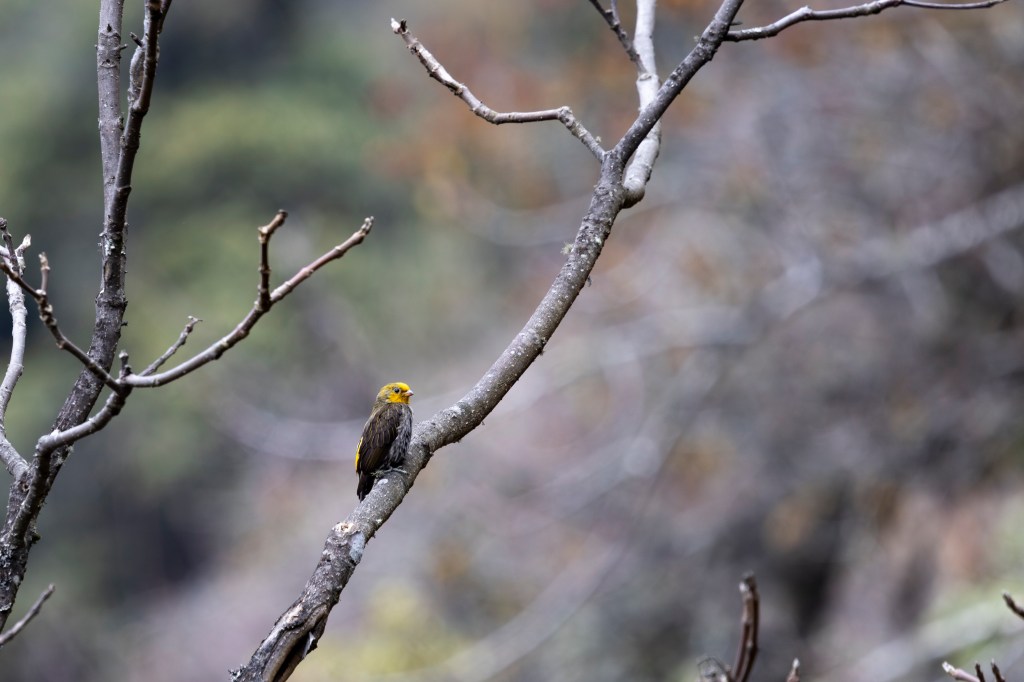
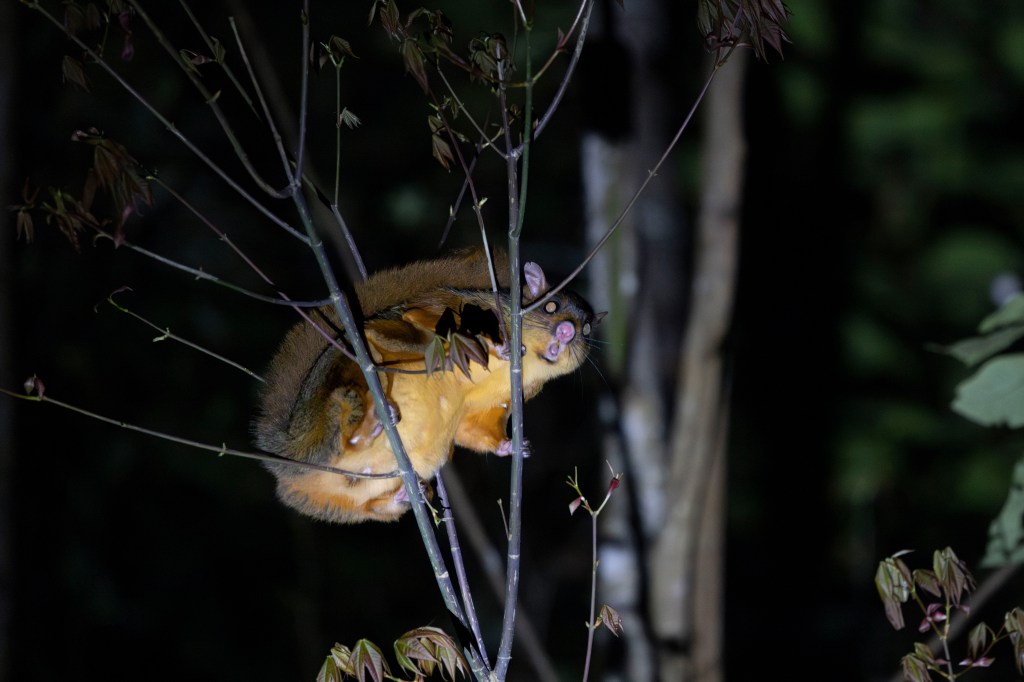
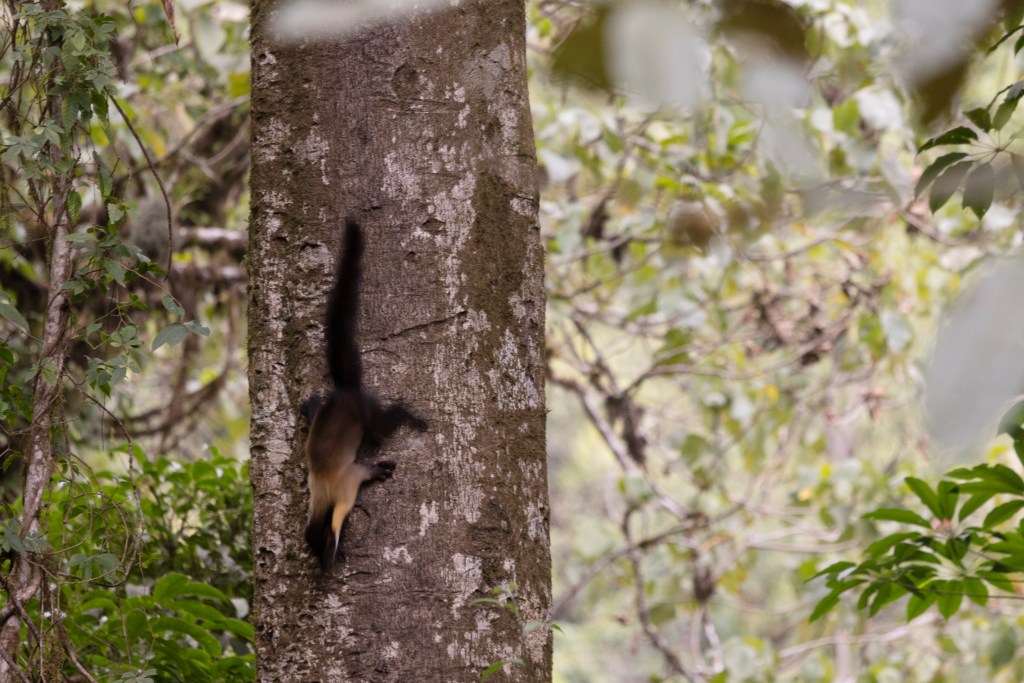
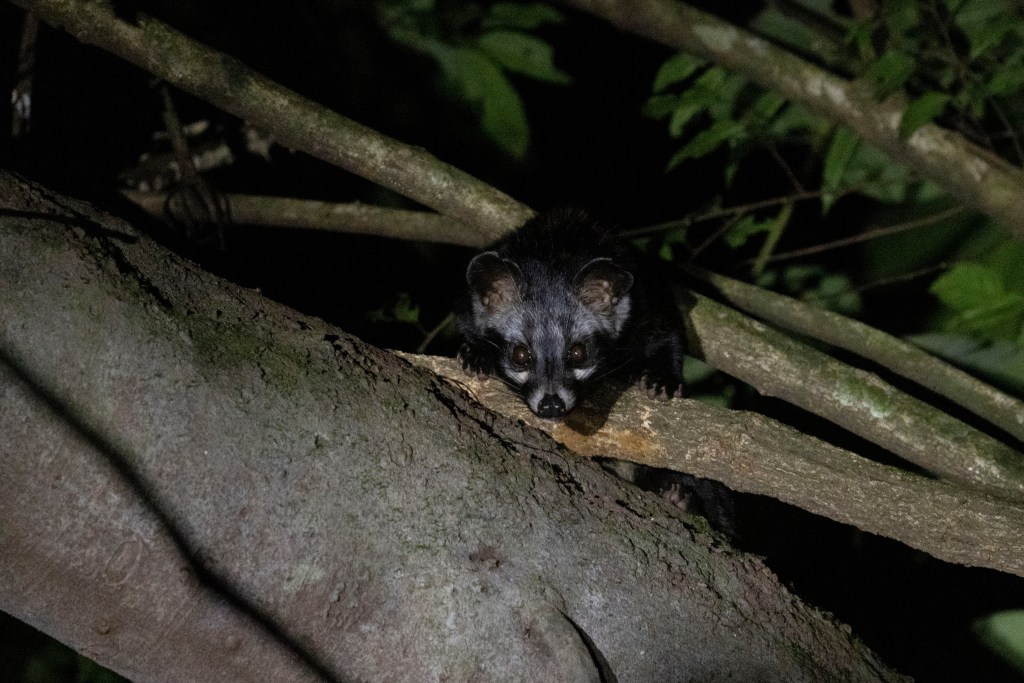
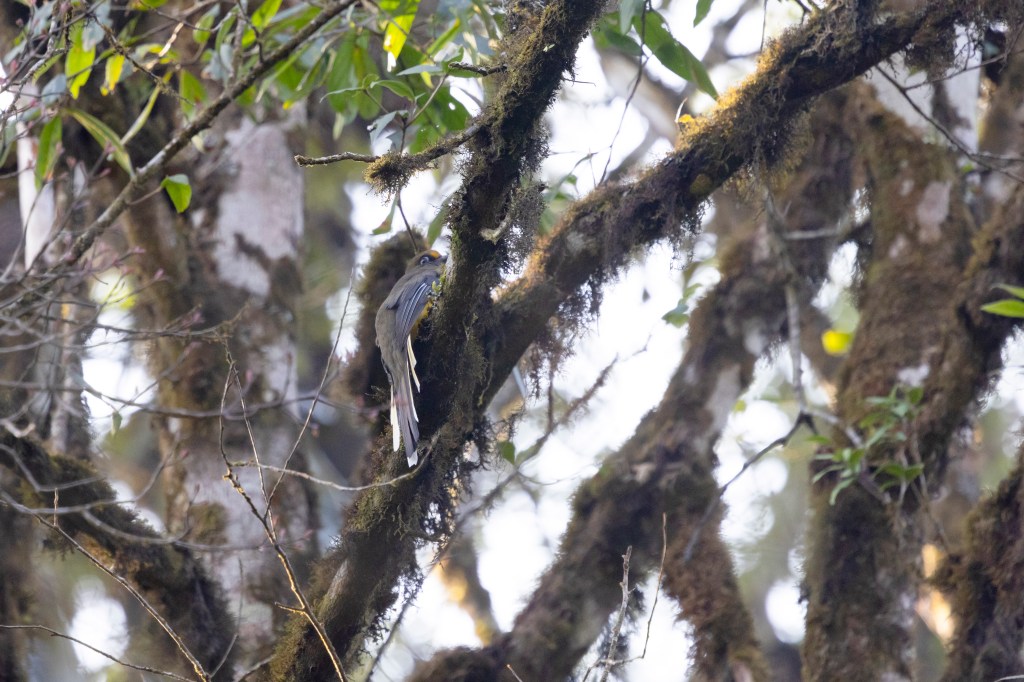
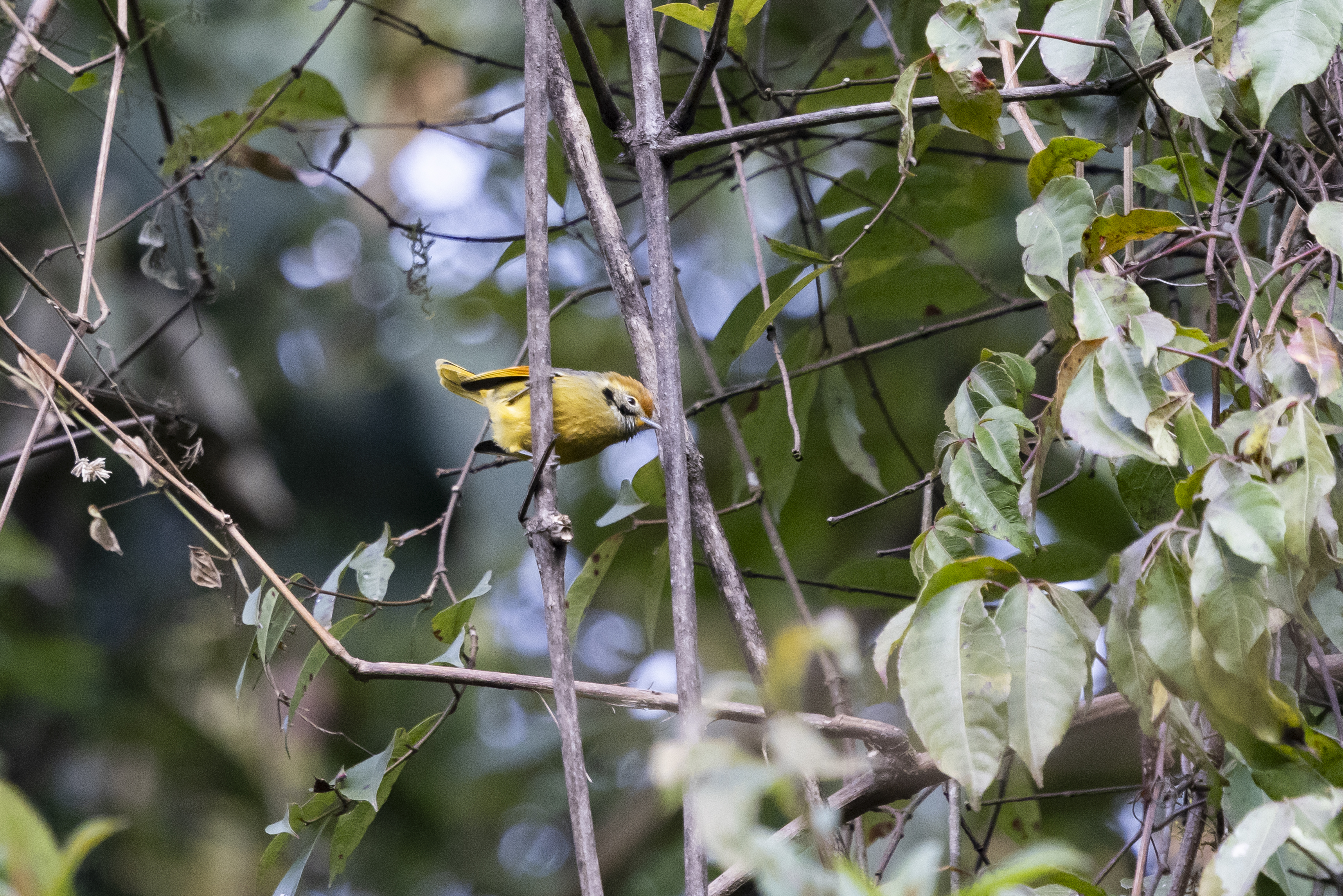
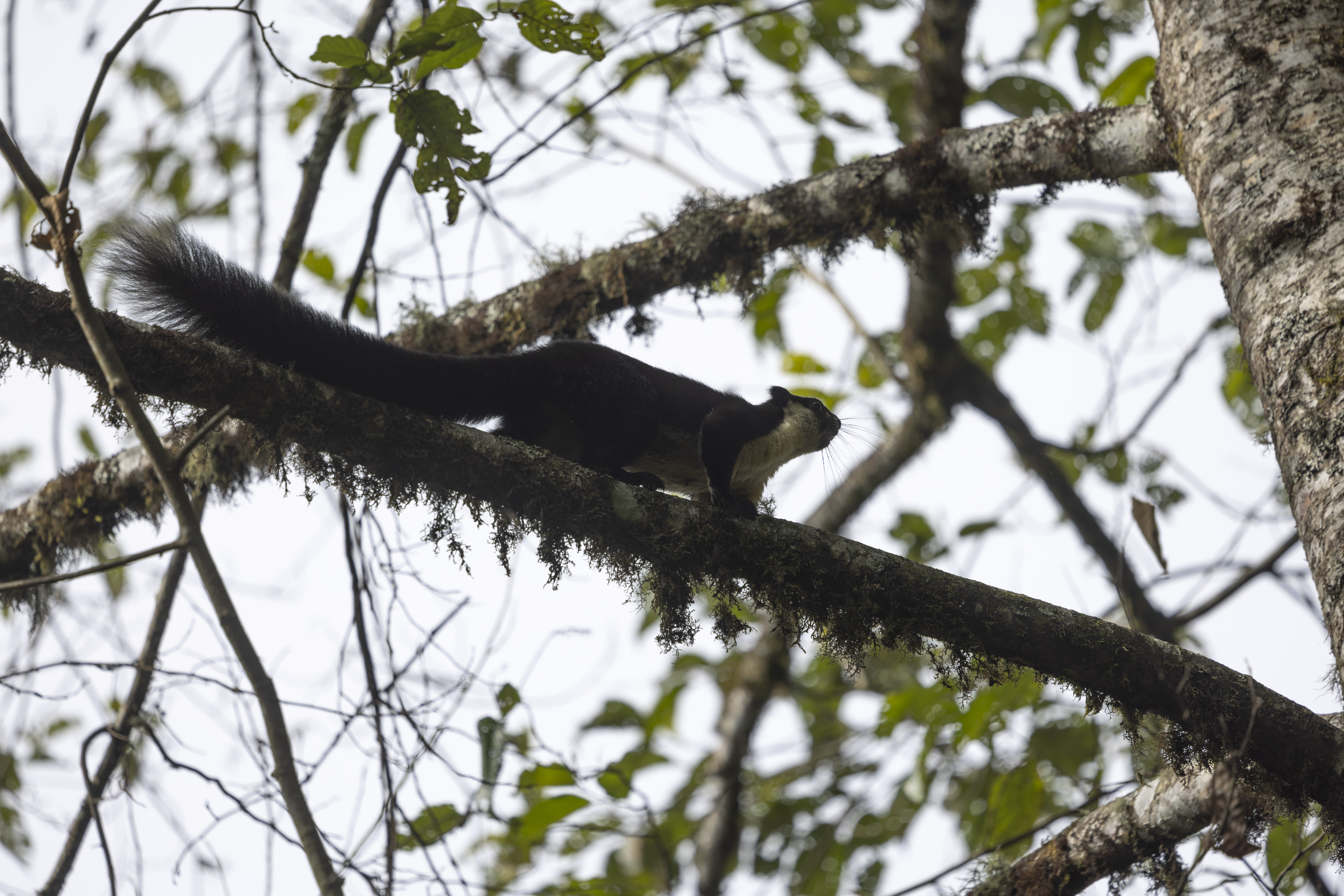
Days 4 to 8, Eaglenest Wildlife Sanctuary: The allure of this montane sanctuary is the potential to see rarities like the Asiatic Golden and Marbled Cats. Hence our effort was largely oriented towards seeing these species, which meant adapting a circadian rhythm akin to these wild felids, and keeping ‘an eye’ out for them as keenly as their potential prey. We didn’t do either too well, it would seem, as we did not see either species, in our efforts from early evening to around 10 PM/from pre-dawn to around 9-10 AM, traversing the forest road, at various sections, between the watchtower at Chaku (about 2300m) and Kellong (about 800m) – where past sightings of these species have been more regular (which is by no means regular). However all this effort did produce a solitary Mainland Leopard Cat, that leapt across the road a bit too fast for a positive ID in that moment. The cat was cooperative enough though, to hang-back on the steep slope adjacent to the road, for us to get a good second look, and to realise it was definitely a Leopard Cat – a good species for India, where sightings are not quite as regular, as in some other parts of the world. Some of the other mammals that showed were three brief sightings of Yellow-throated Marten, a fleeting Himalayan Brown Goral, Asian Palm Civet, Red Muntjac and several species of squirrel, including a surfeit of flying squirrels (Hairy-footed, Bhutan Giant, Grey-headed, Parti-coloured and Hodgson’s). We had hoped to see Arunachal Macaque, usually regular close to the entrance of the Eaglenest Sanctuary, leading upto the Eaglenest Pass, but despite recent sightings by villagers and fresh droppings, we missed the seeing the animals. Eaglesnest, as in other locations of the Eastern Himalayas, is also well known for its incredible bird diversity. However, while we were not especially focussed, it appeared that bird activity was rather subdued for this time of the year, which, during our visit was rainy, cold, cloudy and windy for longer than we (and the birds?) appreciated. We did, however, with our local guide’s expertise manage to see the elusive Ward’s Trogon and the striking Fire-tailed Myzornis, among species like Scarlet Finch, Long-tailed Sibia and various inhabitants of the undergrowth and mid-canopy in these montane forests (Yuhina’s, Laughingthrushes, Barwings, Siva’s and the like). The significant miss among birds was the Bugun Liochicla, a species we tried for in a dedicated effort in the general vicinity of Lama Camp, but without luck.
Our local guide here, Bharath Tamang, was proficient with the regional birds and with keen eyes for mammals. The driver of our Xylo, Raju, vastly experienced working with research groups at Eaglenest, was a source of anecdotes and insights, also helped plan our efforts here. We spent 1 night at Lama Camp (now with few tents with attached toilets, which makes life much easier on those typically cold nights, that inevitably urges one out of their somewhat warm beds, at unpleasant times of the night), and 4 nights at the milder Bompu Camp.
Days 9, 10 and 11, Kaziranga:
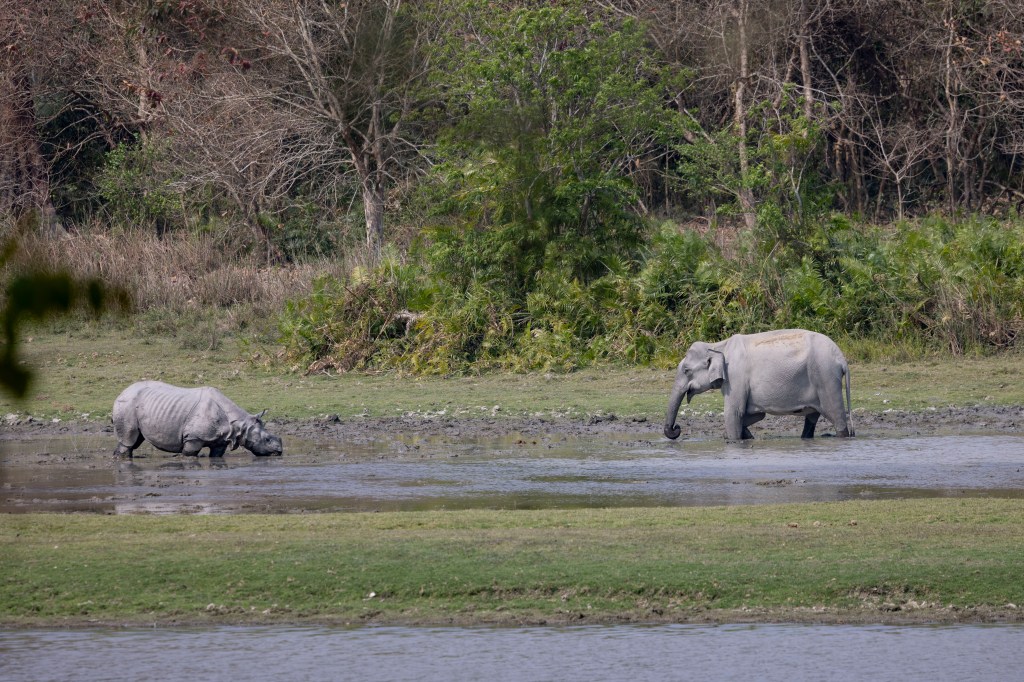
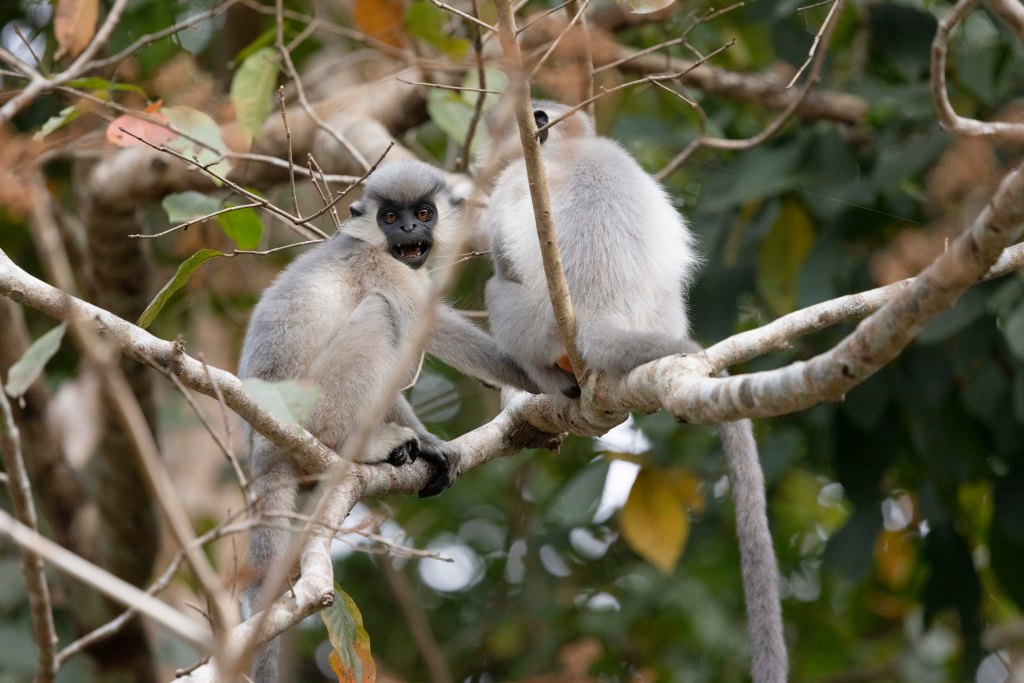
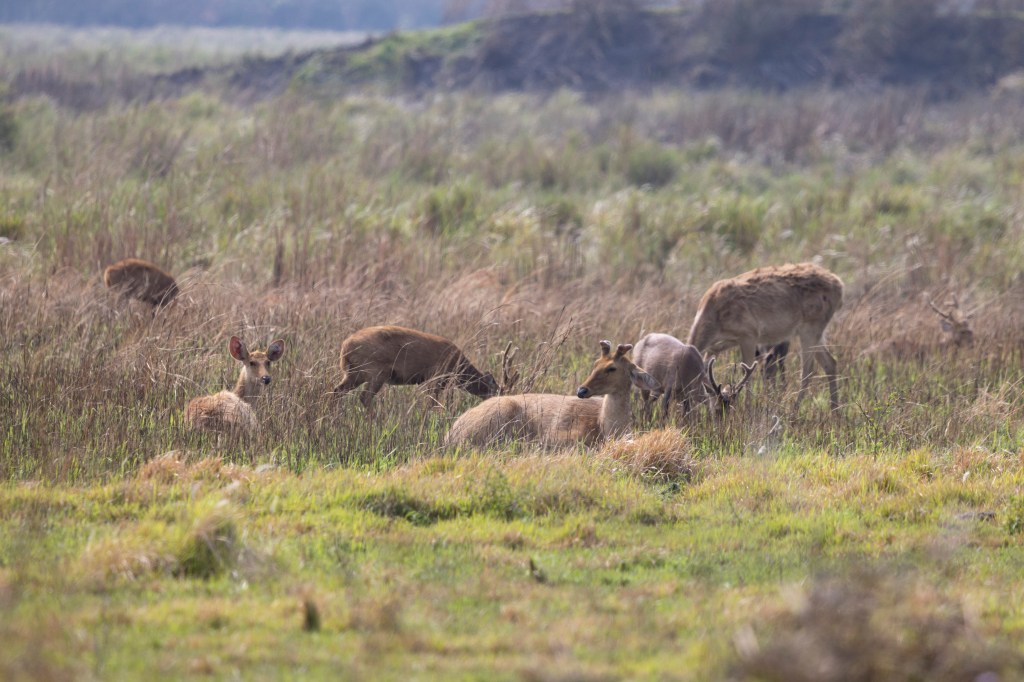
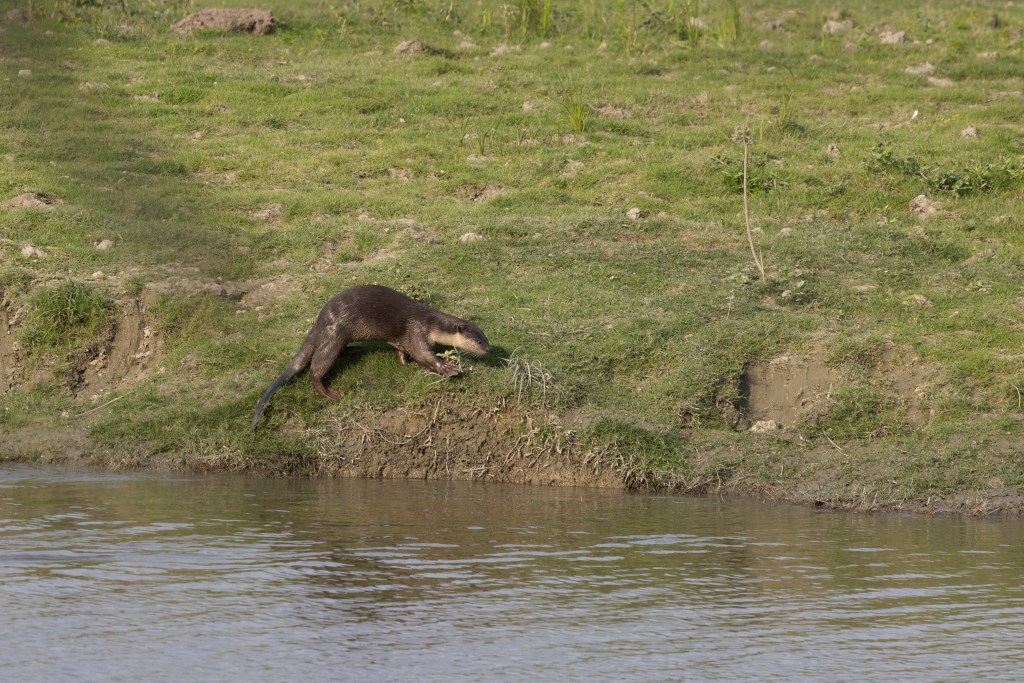
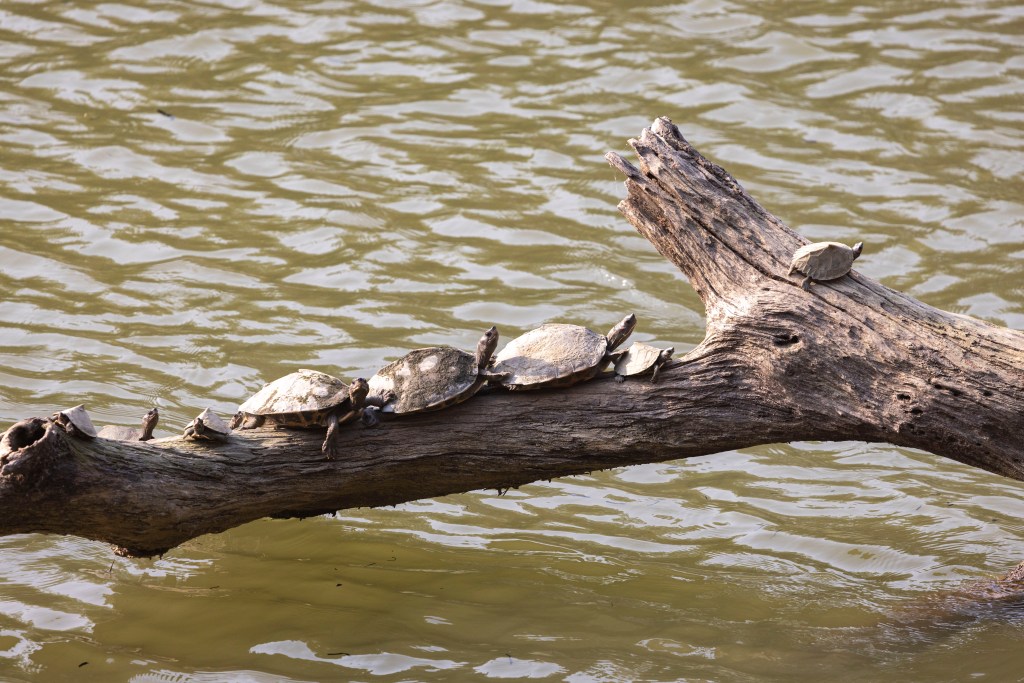
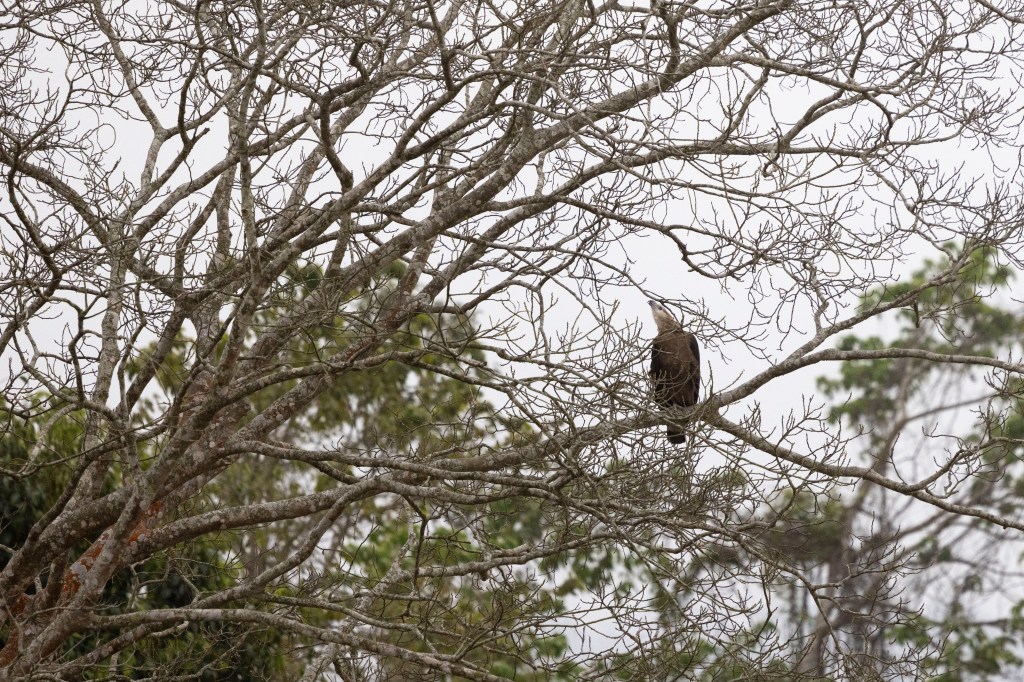
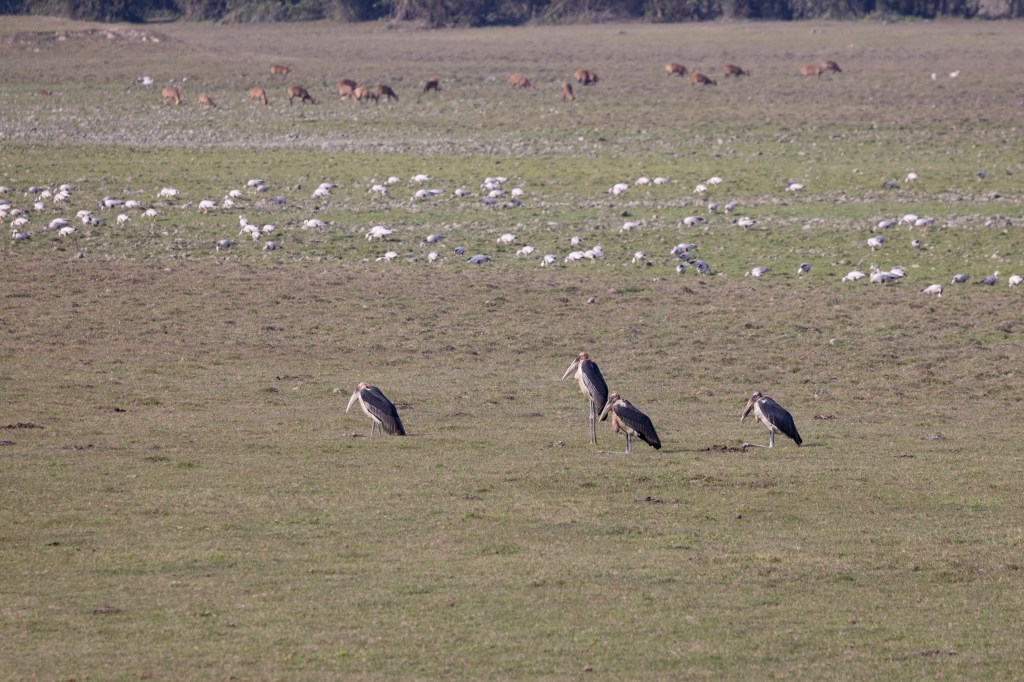
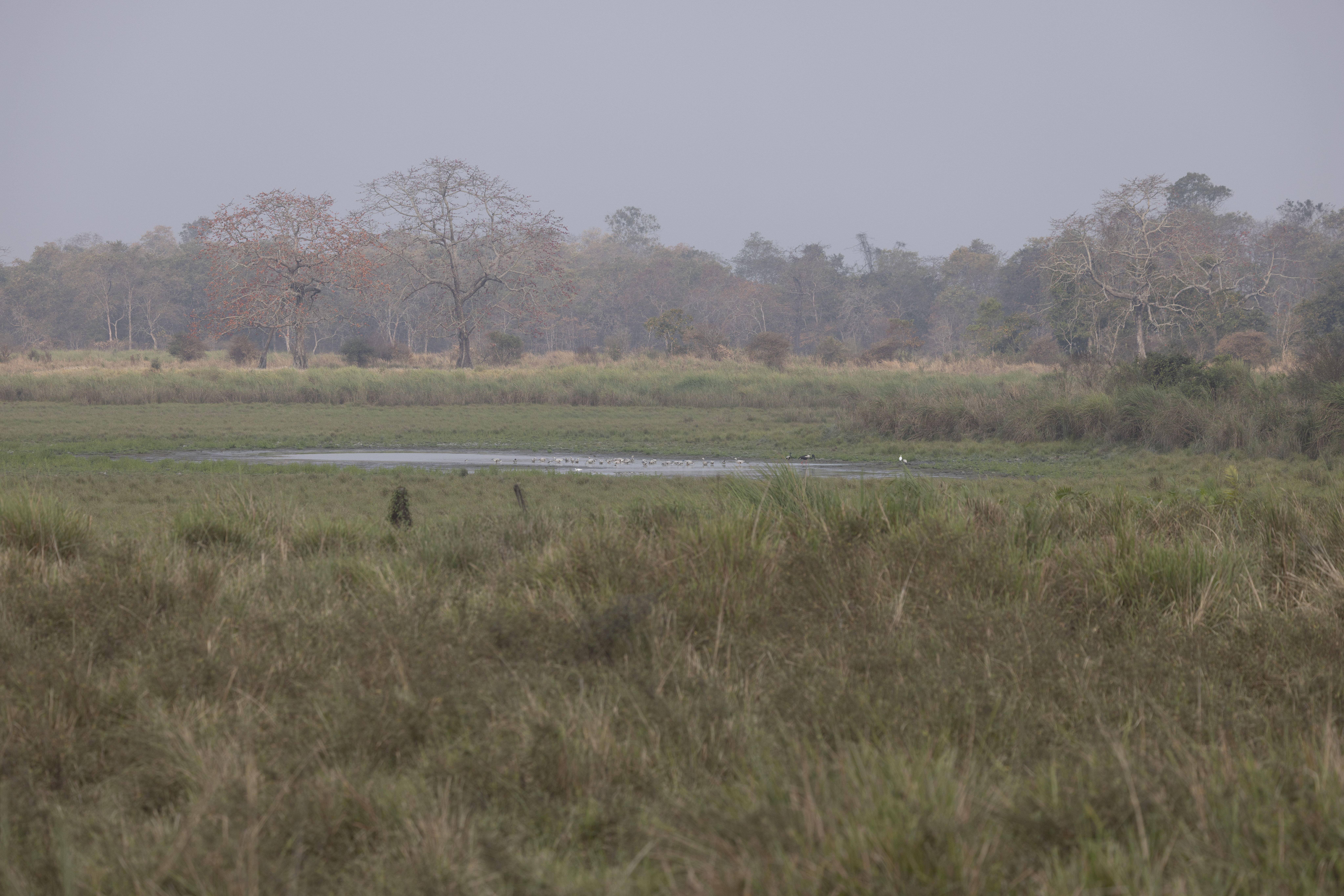
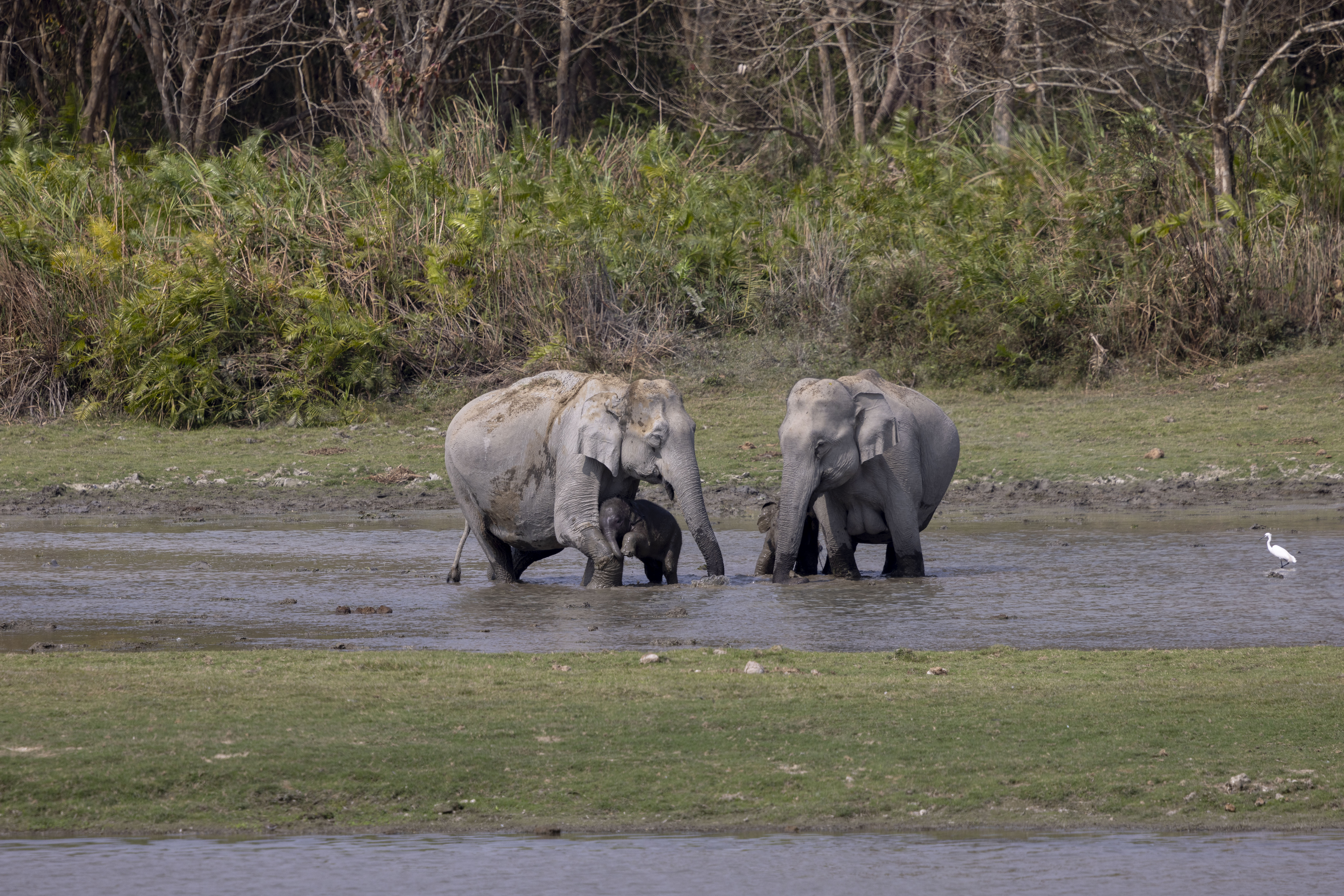
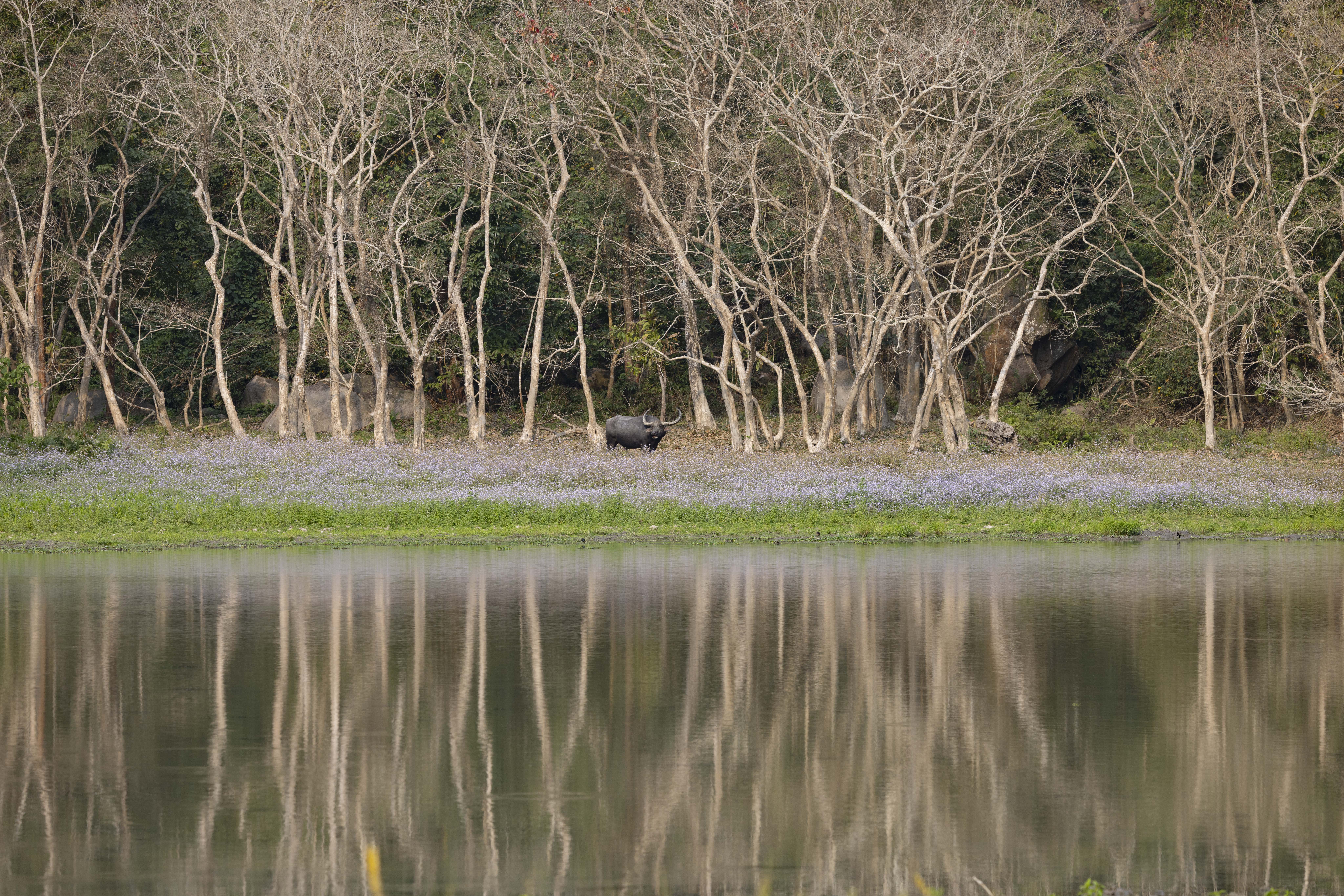
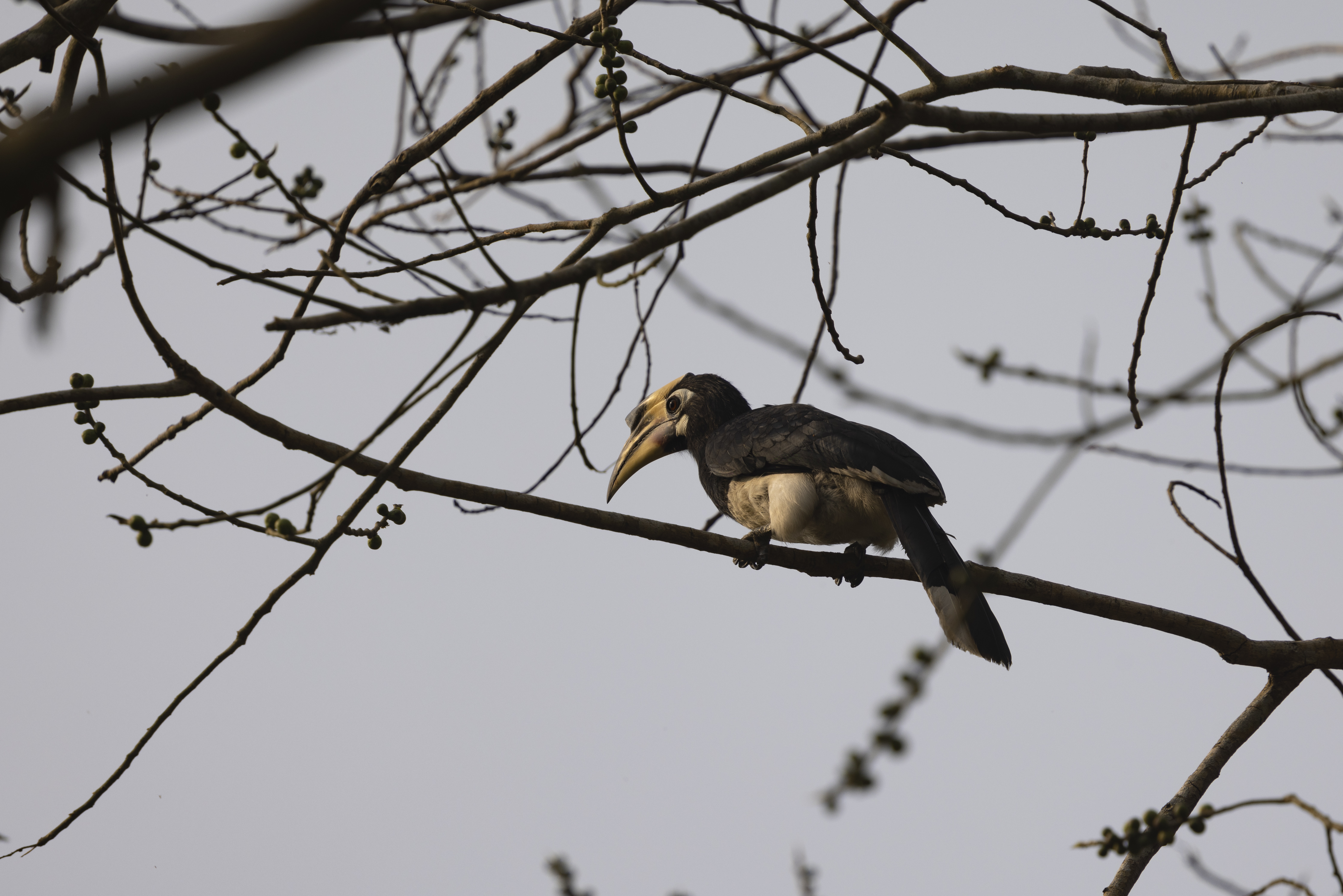
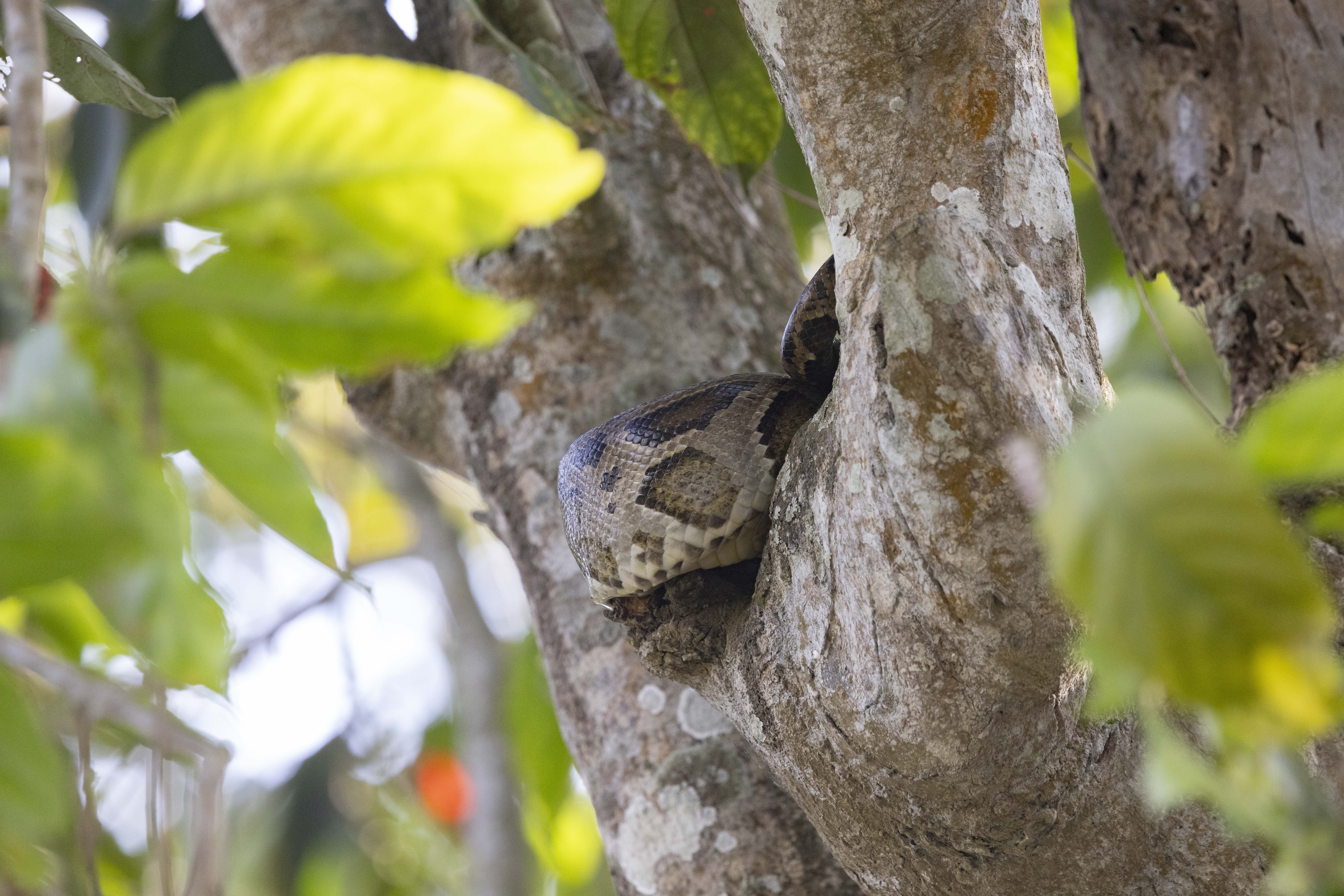
The stretch of road adjacent to Nameri, while driving from Eaglenest to Kaziranga, is reputedly a good location for Assamese Macaque. However we could not reliably tell the species apart from Rhesus Macaque, in this population where the two species are known to interbreed. Apart from the solitary afternoon boat safari on the Brahmaputra, looking for seeing several Gangetic Dolphin, frustratingly fleetingly (especially if one was looking to photograph this randomly spaced, brief appearance) surfacing for breath, before disappearing into murky waters, we had 5 land safaris (3 in the crowded Central Range) and one each at Bura Pahar and Eastern Ranges. The fertile flood plains of Kaziranga almost never disappoints, and this time was no different, with fantastic congregations of Indian Rhino, Asiatic Elephant, Asiatic Wild Buffalo, Eastern Swamp and Hog Deers, peppered across the swamy grasslands. There were also sightings of Western Hoolock Gibbon and Capped Langur (Bura Pahar), Smooth-coated Otter, Great and Oriental Pied Hornbills, Swamp Francolin, Pallas’s Fish Eagle, Greater Adjutant (Eastern Range, looking on from a watchtower with a Indian Rock Python, coiled around on an adjacent tree) and Assam Roofed Turtle from this famed protected area. We did however, just about miss seeing Tiger in our safaris in the Central Range, where sightings are now regular (not the case historically in Kaziranga), as well as (not even getting close to seeing the) much rarer Hog Badger.
Days 12 and 13, Gibbon Wildlife Sanctuary:
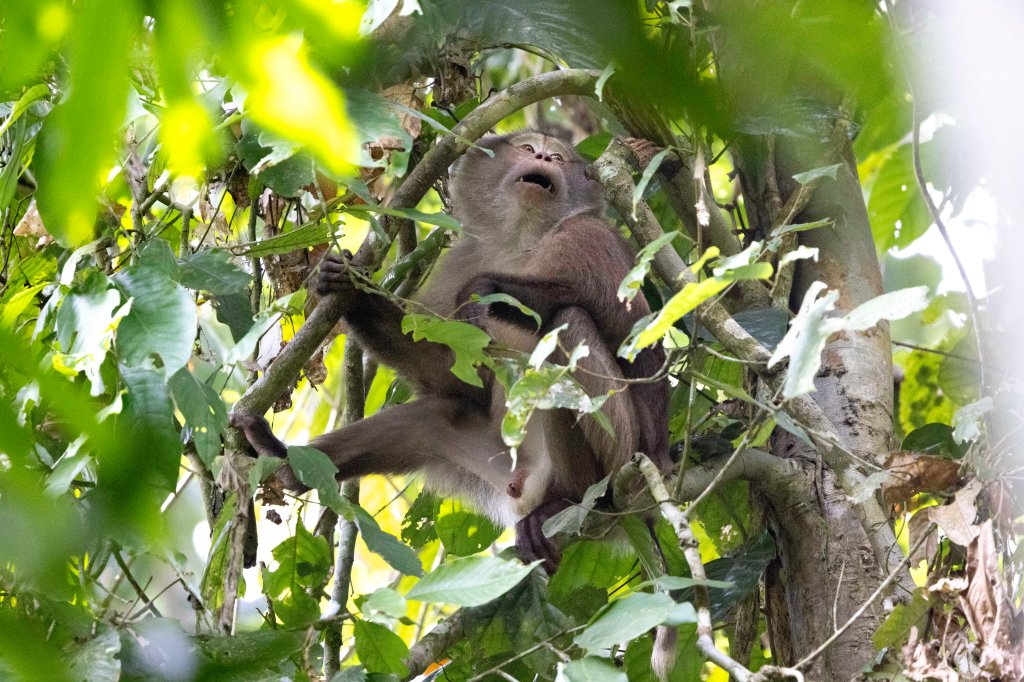
A full session (the park opens around sunrise and shuts by 2 PM), followed by a brief morning session at the tiny, but engrossing lowland forest of the Hollongappar Gibbon Sanctuary was (as expected) productive for several Western Hoolock Gibbon families, feeding, filling the air with their haunting calls and otherwise going about their business in the morning, but just a solitary male Pig-tailed Macaque, a troop of Rhesus Macaque and Capped Langur each, otherwise. While our local guides, led by the excellent Diganta Gogoi, put in much effort to look for Stump-tailed Macaque, this enigmatic primate proved elusive (a species that despite its large troop sizes here, and tell-tale feeding habits, are difficult to locate even in this small patch of forest, spending much time hidden in the dense undergrowth). The other mammals that showed in relative abundance were Orange-bellied, Pallas’s and Malayan Giant Squirrels. Red-headed Trogon, Dollarbird, Abbot’s Babbler and Greater-necklaced Laughingthrush were among the bird highlights, but dedicated efforts should unravel many more regional specialities in this promising patch. Some evening and night effort in the countryside surrounding the Gibbon Homestay, our pad for these two nights, produced interesting birds like Eye-browed Thrush and Banded Bay Cuckoo and revealed promising habitat for Fishing Cat, but not the animal itself. While reputedly common residents in the countryside around here, we also missed seeing Leopard in our efforts after dark.
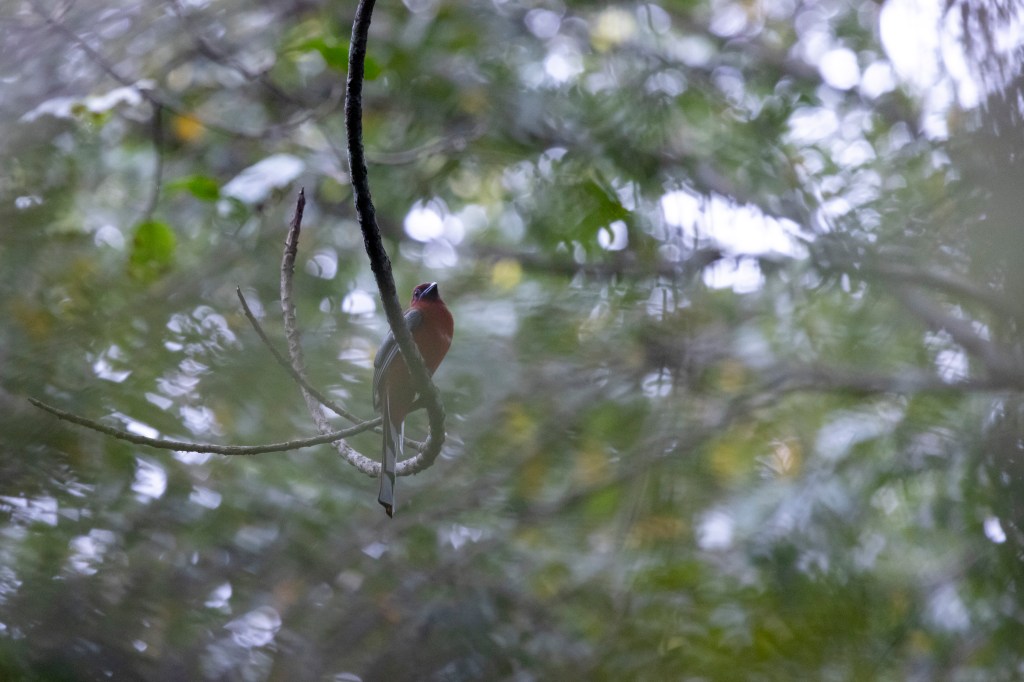
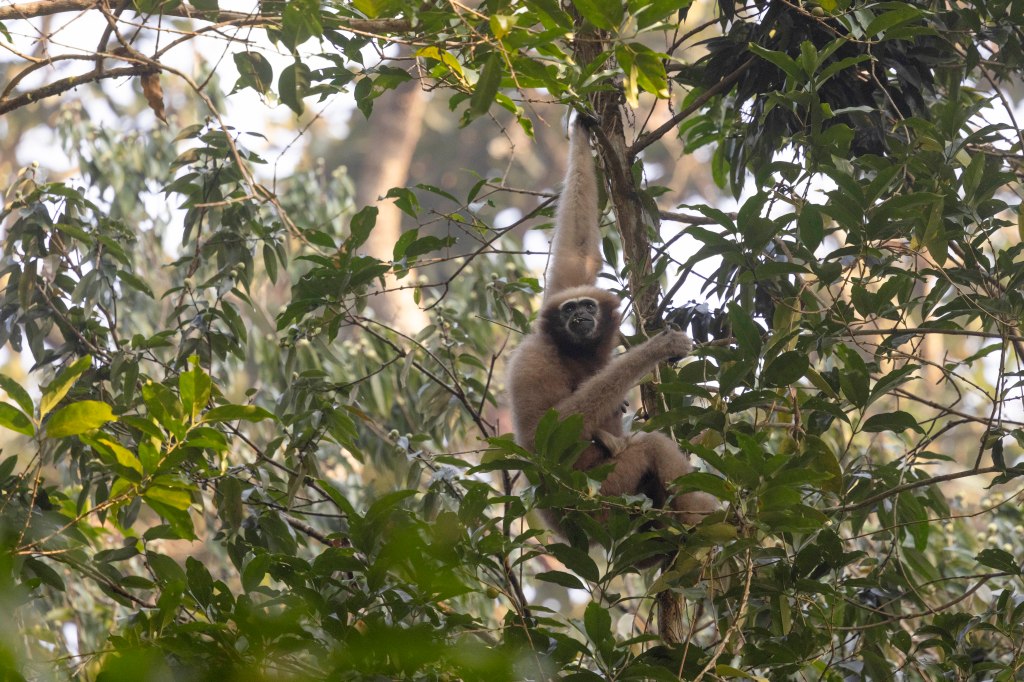
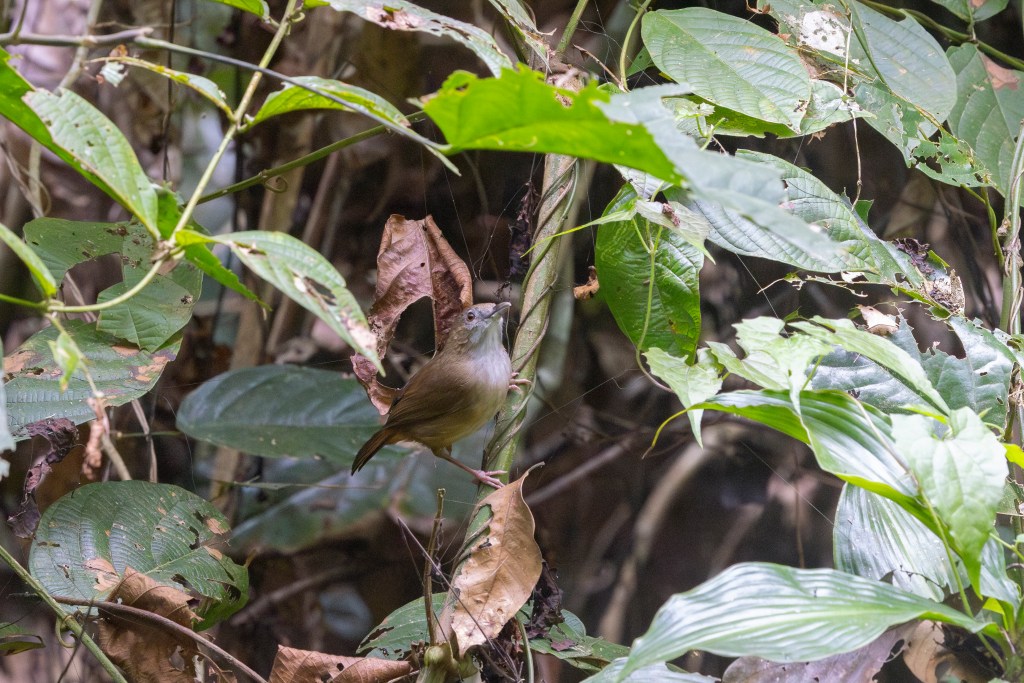
We were guided and hosted by Diganta Gogoi, whose field skills working for primates and warm hospitality at the quaint Gibbon Homestay, always makes a visit to this park a pleasure.
List of Mammals Seen
Ganges River Dolphin Platanista gangetica
Southern Red Munjtac Muntiacus muntjak
Sambar Rusa unicolor
Eastern Swamp Deer Rucervus duvaucelii
Indian Hog Deer Axis porcinus
Asian Elephant Elephas maximus
One-horned Rhinoceros Rhinoceros unicornis
Asiatic Water Buffalo Bubalus bubalis
Gaur Bos gaurus
Wild Pig Sus scrofa
Indian Hare Lepus nigricollis
Himalayan Striped Squirrel Tamiops mcclellandii
Orange-bellied Squirrel Dremomys lokriah
Pallas’s Squirrel Callosciurus erythraeus
Hoary-bellied Squirrel Callosciurus pygerythrus
Malayan Giant Squirrel Ratufa bicolor
Particoloured Flying Squirrel Hylopetes alboniger
Hairy-footed Flying Squirrel Belomys pearsonii
Hodgson’s Giant Flying Squirrel Petaurista magnificus
Bhutan Giant Flying Squirrel Petaurista nobilis
Grey-headed Giant Flying Squirrel Petaurista caniceps
Gee’s Golden Langur Trachypithecus geei
Capped Langur Trachypithecus pileatus
Rhesus Macaque Macaca mulatta
Northern Pig-tailed Macaque Macaca leonina
Western Hoolock Gibbon Hoolock hoolock
Mainland Leopard Cat Prionailurus bengalensis
Yellow-throated Marten Martes flavigula
Smooth-coated Otter Lutrogale perspicillata
Asian Palm Civet Paradoxurus hermaphroditus
Indian Flying Fox Pteropus medius
Highlight Birds Seen
Wreathed Hornbill Rhyticeros undulatus
Great Pied Hornbill Buceros bicornis
Slender-billed Vulture Gyps tenuirostris
Himalayan Griffon Gyps himalayensis
Pallas’s Fish Eagle Haliaeetus leucoryphus
Rufous-bellied Eagle Lophotriorchis kienerii
Black Eagle Ictinaetus malaiensis
Mountain Hawk Eagle Nisaetus nipalensis
Ward’s Trogon Harpactes wardi
Red-headed Trogon Harpactes erythrocephalus
Grey-lored Broadbill Serilophus rubropygius
Bengal Florican Houbaropsis bengalensis
Fire-tailed Myzornis Myzornis pyrrhoura
Chestnut-capped Babbler Timalia pileata
Swamp Francolin Ortygornis gularis
Eyebrowed Thrush Turdus obscurus
Mountain Bulbul Ixos mcclellandii
Maroon Oriole Oriolus traillii
Eurasian Nutcracker Nucifraga caryocatactes
Abbot’s Babbler Malacocincla abbotti
Little Bunting Emberiza pusilla
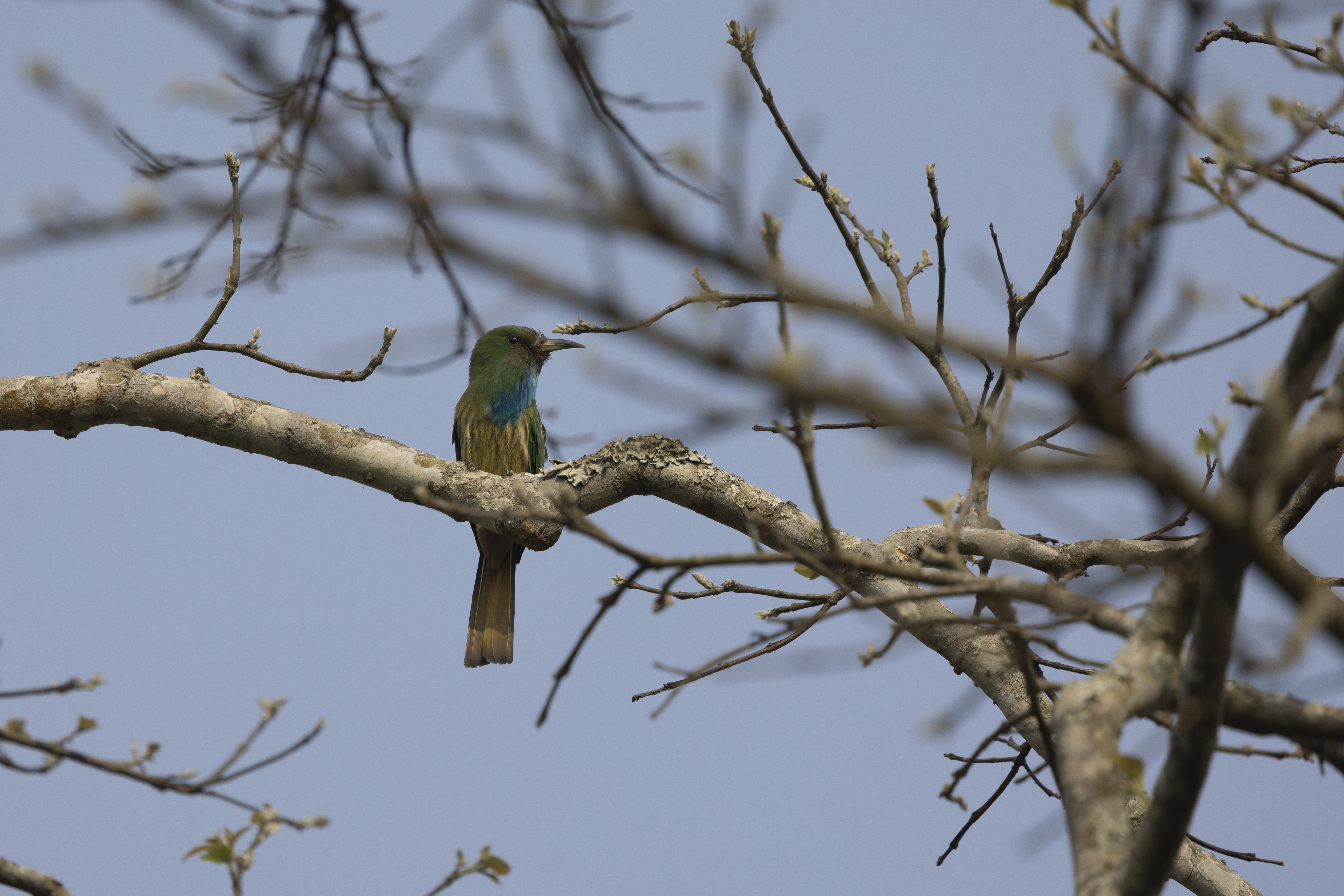
Blue-bearded Beeeater Nyctyornis athertoni
Greater Adjutant Stork Leptoptilos dubius
Black-necked Stork Ephippiorhynchus asiaticus
Yellow-rumped Honeyguide Indicator xanthonotus
 Ficus Wildlife and Natural History Tours