Author: Ravi Kailas (ficustours@gmail.com)
Dates
1st to 11th Feb 2025
Locations Visited
Valaparai (Anamalai Tiger Reserve); Chinnar WLS; Eravikulam WLS (and surroundings); Thekkady (Periyar Tiger Reserve)
Tour Participants
Clients: James and Jill Hammersley
Naturalist: Ravi Kailas
A 10 night visit to
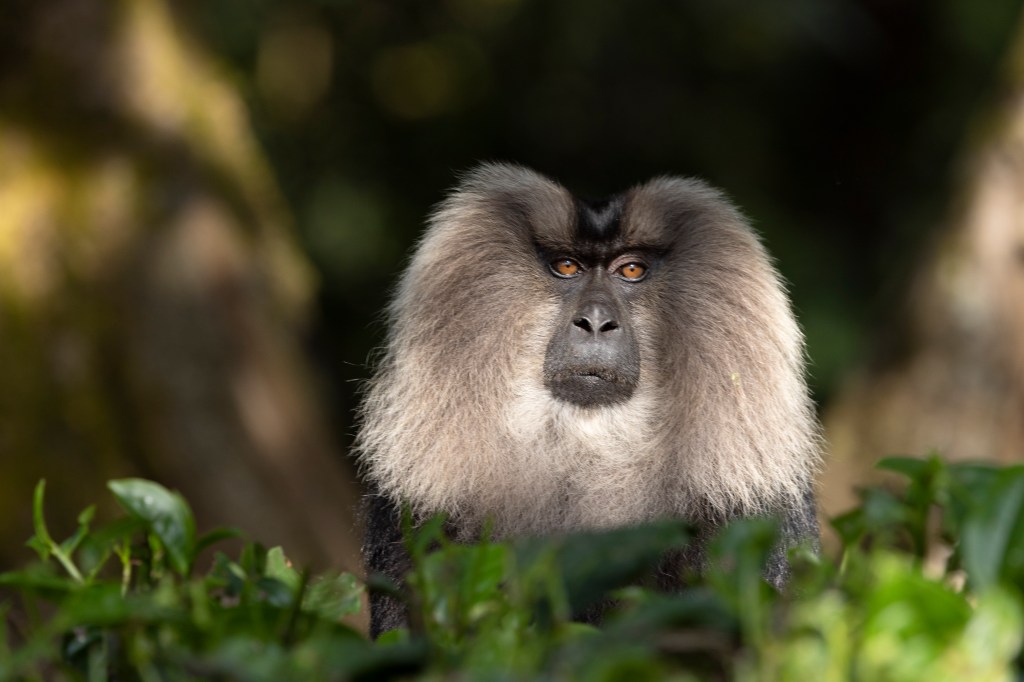
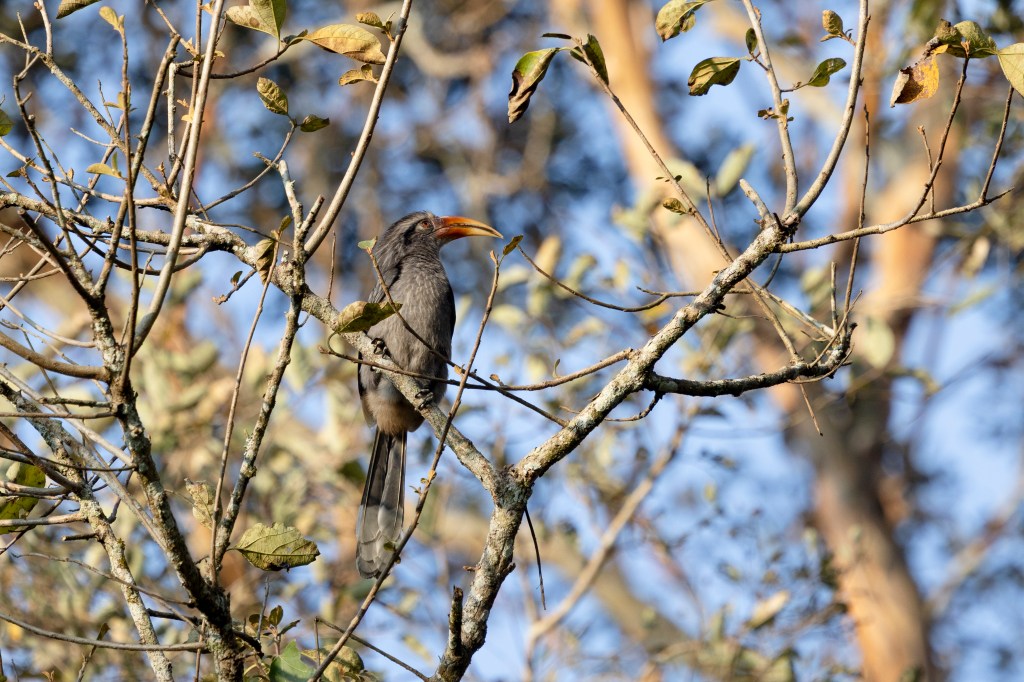
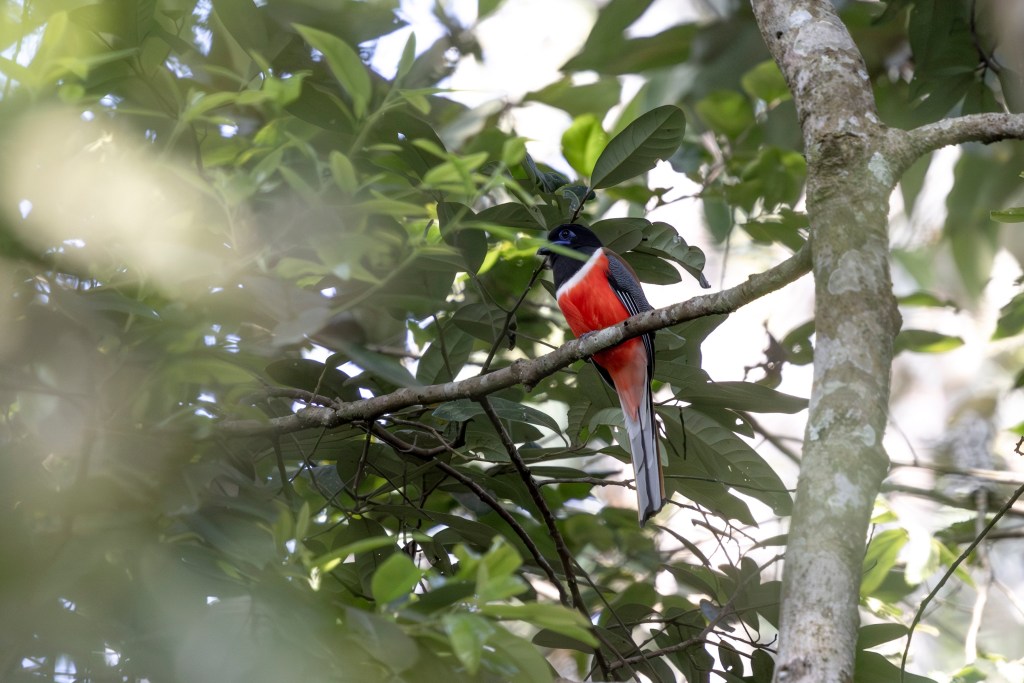
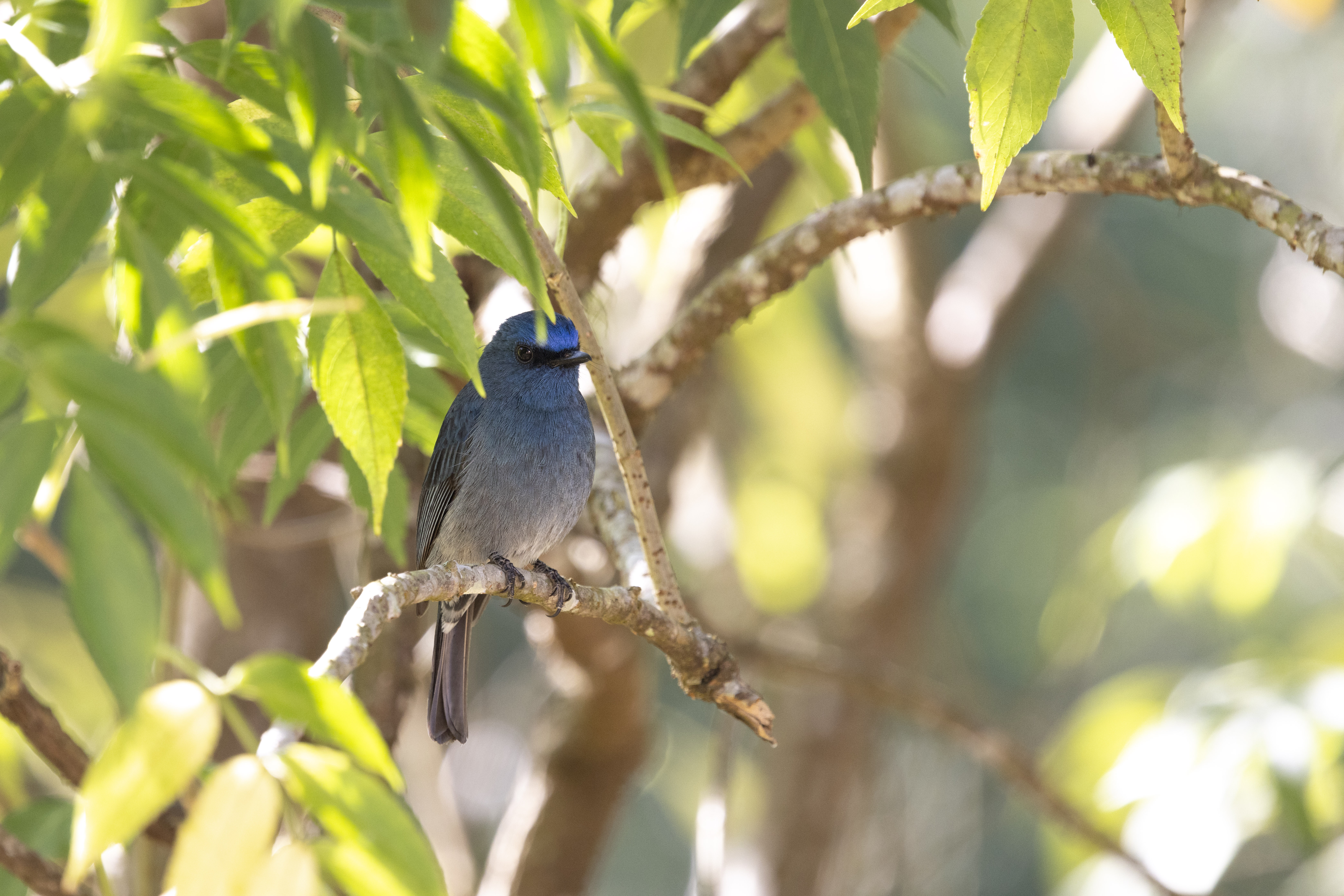
the southern Western Ghats turned out to be interesting for a gamut of its larger fauna – including 28 species of mammals and over 200 species of birds. Among the mammals, we saw most of the major endemics, including Lion-tailed Macaque, Nilgiri Langur, Brown Palm Civet and Nilgiri Tahr, as well as Dhole, Sloth Bear, Indian Porcupine and Grizzled Giant Squirrel among other highlights. Nilgiri Marten were elusive as per norm (almost), and we missed the generally uncommon Brown Mongoose this time. Among birds, Wayanad Laughingthrush, White-bellied Sholakini, Palani Chilappan, Rufous-bellied and Black Eagles, White-bellied Blue, Black and Orange and Nilgiri Flycatchers, Malabar Grey and Great Indian Horniblls, Grey-fronted and Malabar Imperial Pigeons, Malabar Barbet, Malabar Trogon, White-bellied Treepie, Blyth’s Swift (and too many others to name) were among the highlights. In all other groups, we had very modest success, including a Micrixalus sp (dancing frog genus), Peninsular Rock Agama and a road kill of an Oriental Flying Snake.
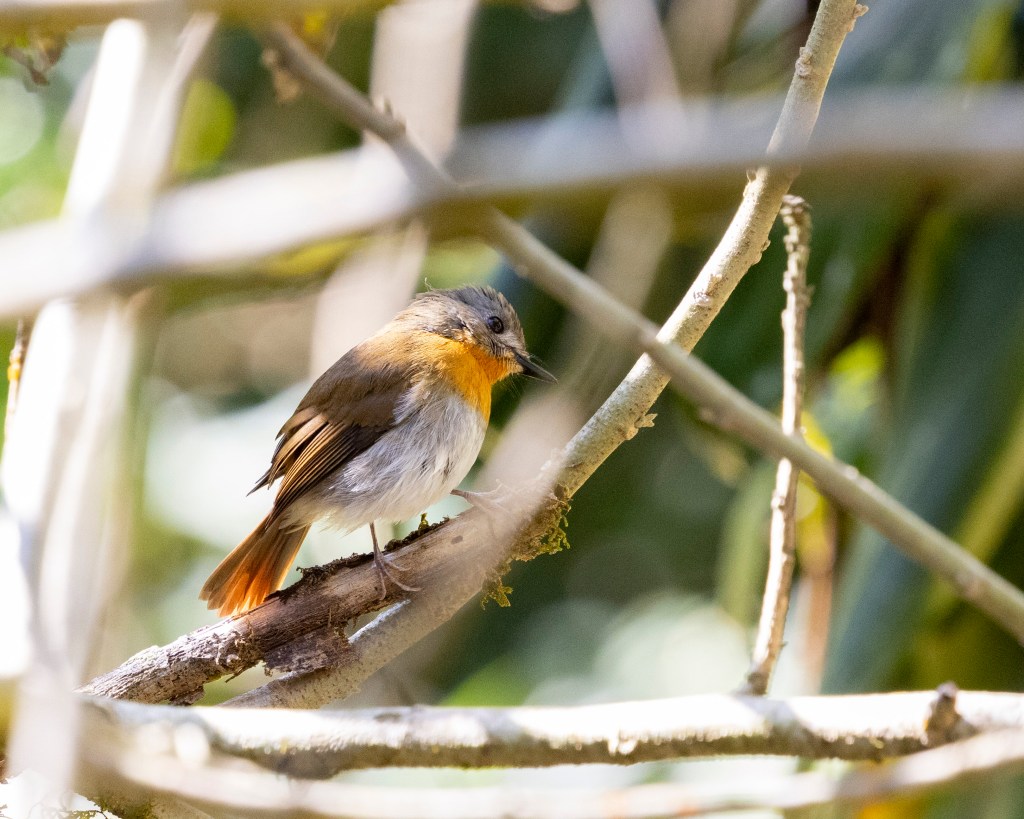


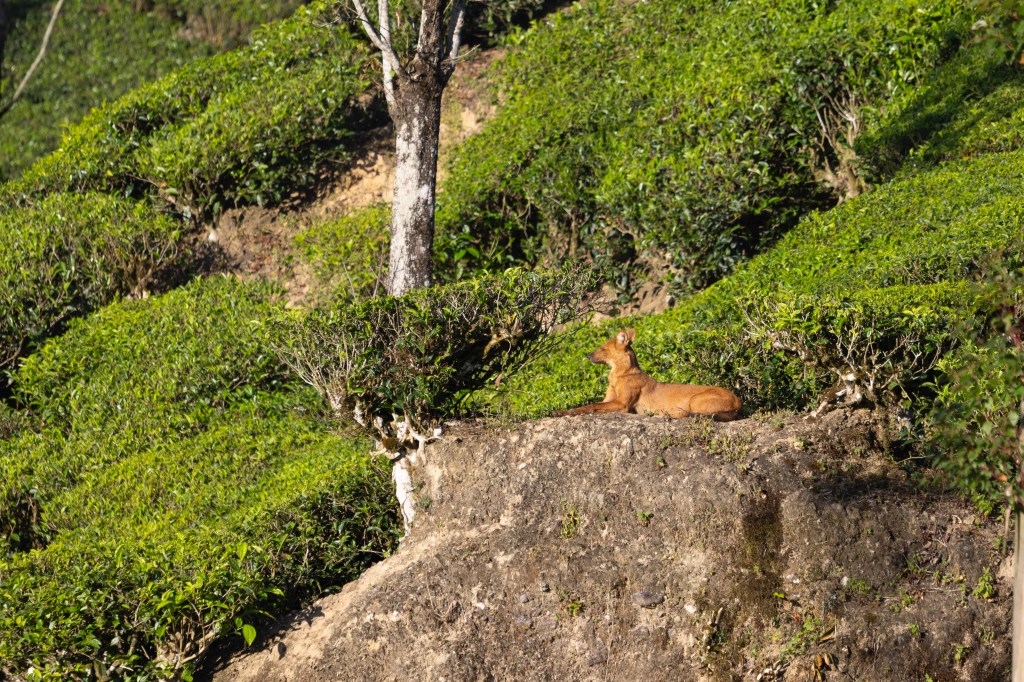
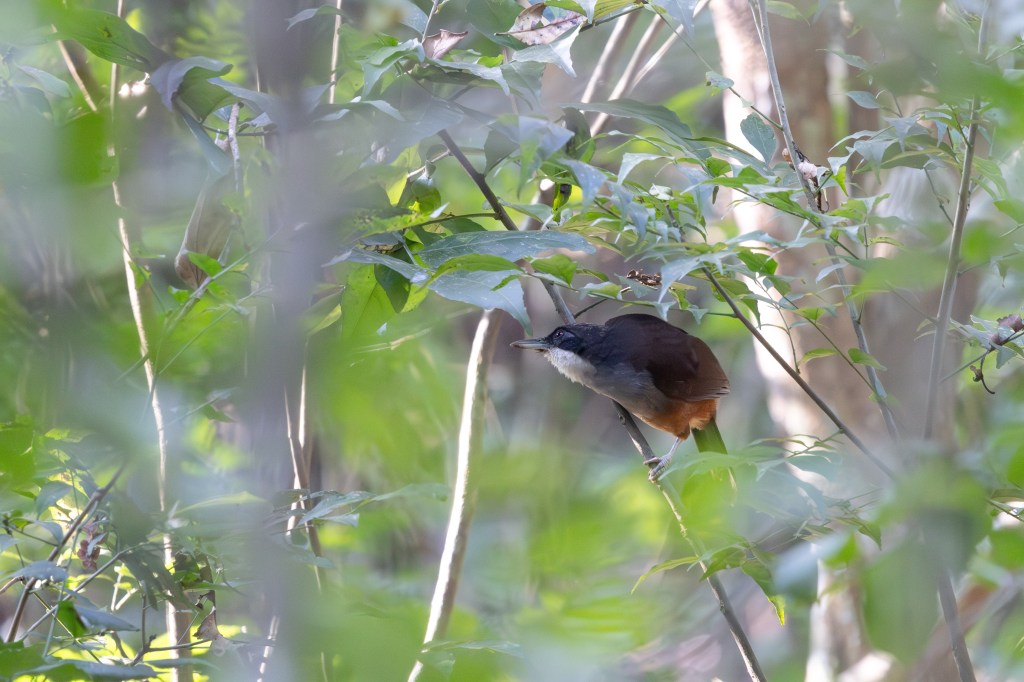
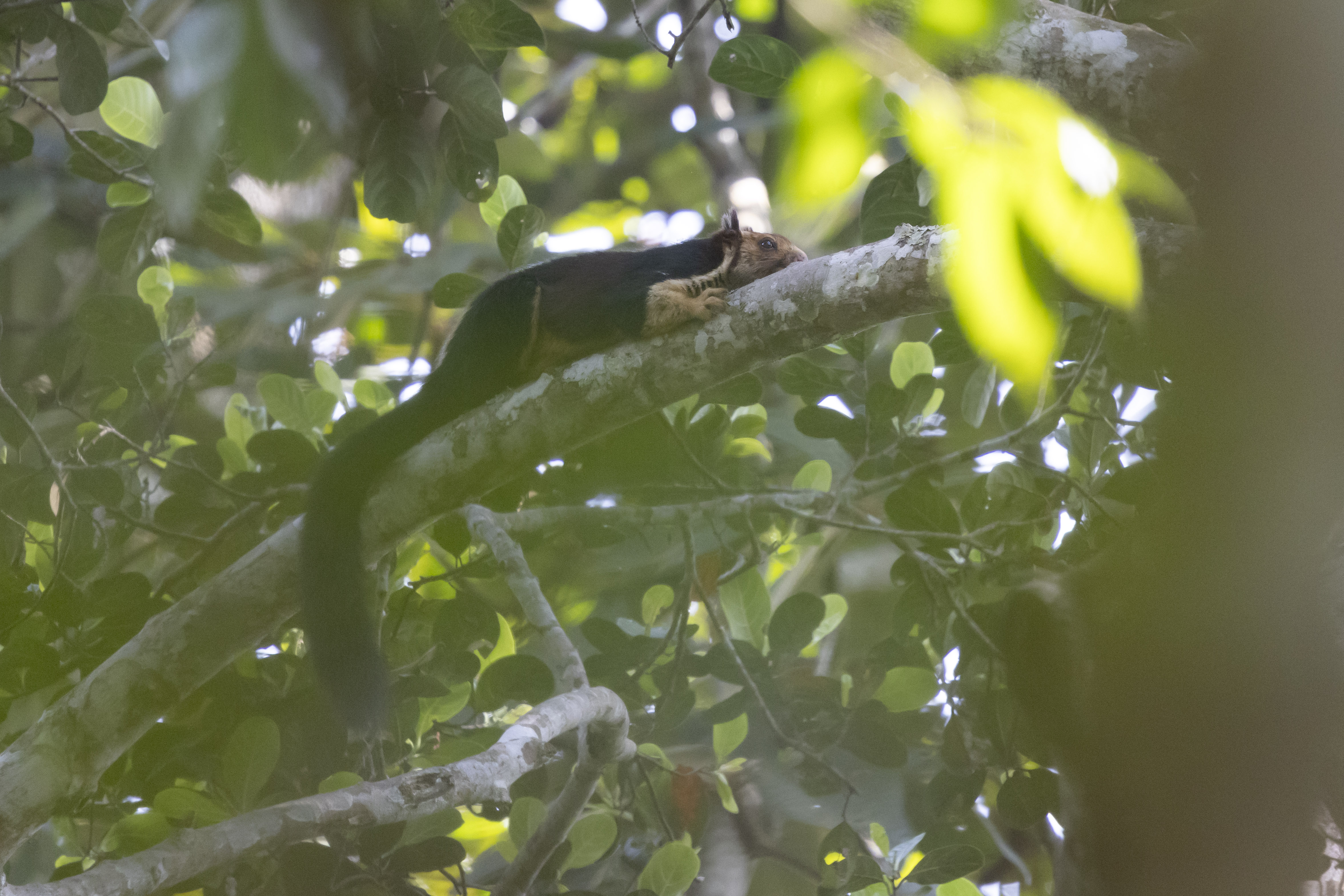
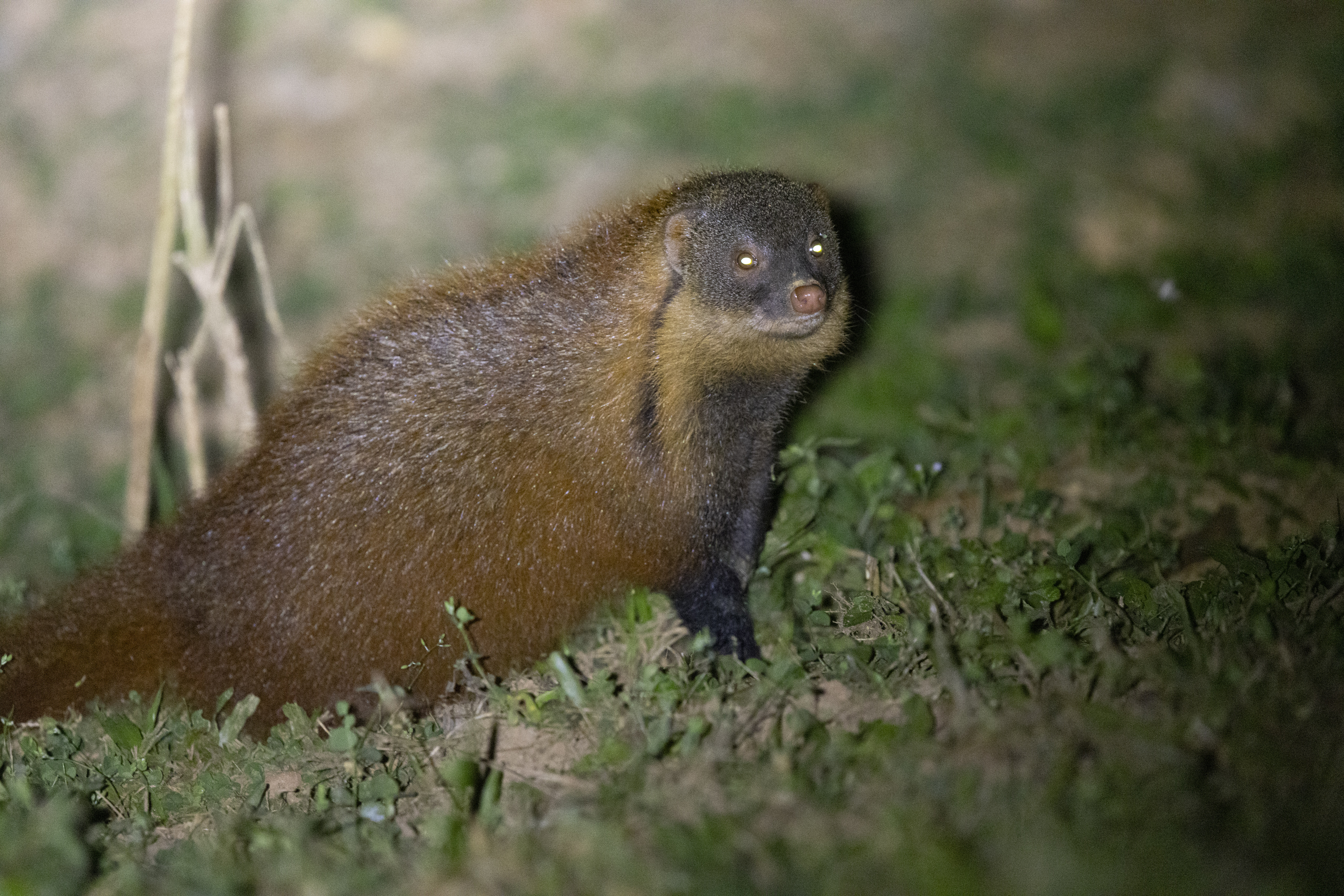
As expected, four nights at Valparai was especially productive for endemic mammals, with numerous sightings of Lion-tailed Macaque, Nilgiri Langur and Jungle Striped Squirrel and observations of the nocturnal Brown Palm Civet and the rather skittish, diminutive Nilgiri Striped Squirrel. There were also numerous sightings of the Striped-neck Mongoose, Indian Giant Flying Squirrel and Malabar Giant Squirrel, a few Indian Hare, Small Indian Civet, Indian Muntjac, a solitary Sloth Bear and a pack of Dhole sunning themselves in a tea plantation, adjacent to a main road, on a cold morning. Nilgiri Tahr, otherwise regular in a slope facing the plains to the East, were elusive, despite three dedicated attempts looking for them. There was good birdlife too, among them two pairs Great Pied Hornbill, Malabar Grey Hornbill, White-bellied Blue and Nilgiri Flycatchers, Malabar Barbet, Grey-Fronted Green and Malabar Imperial Pigeons, Black and Bonneli’s Eagles, Legge’s and Rufous-bellied Hawk Eagles, Rufous Babbler, Jungle Nightjar, Flame-throated Bulbul, Crimson-backed Sunbird and Nilgiri Flowerpecker. We divided our time here between properties owned by the Parry Agro and Woodbriar Groups, optimising our chances of seeing our target mammals within and surrounding their plantations and bungalows.
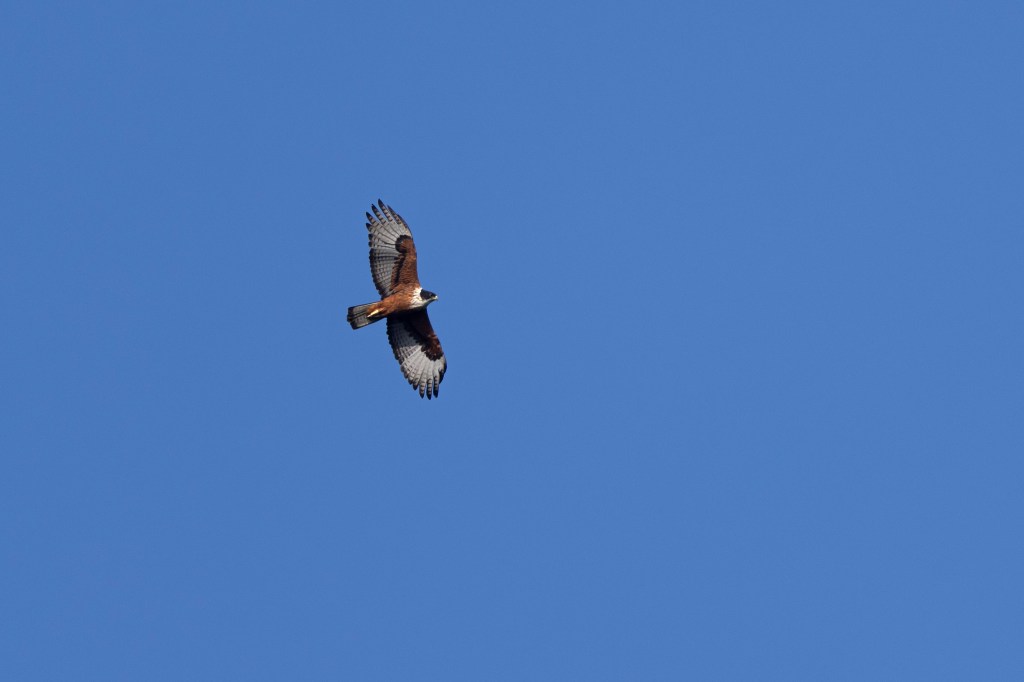
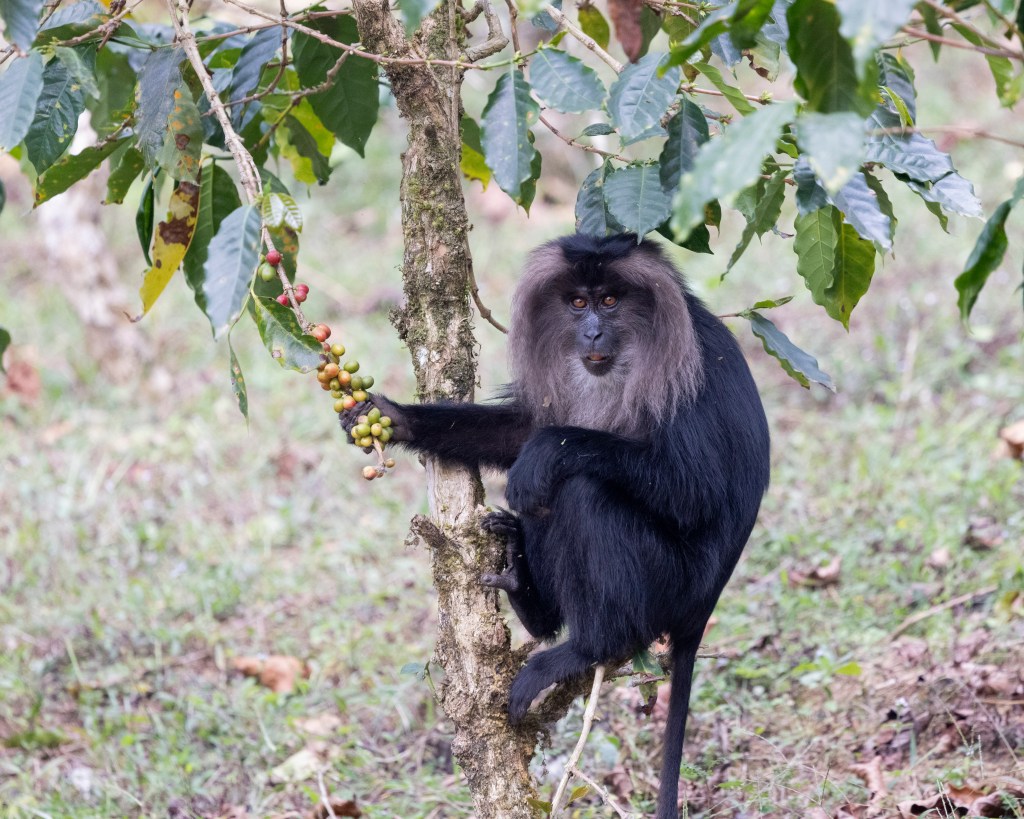
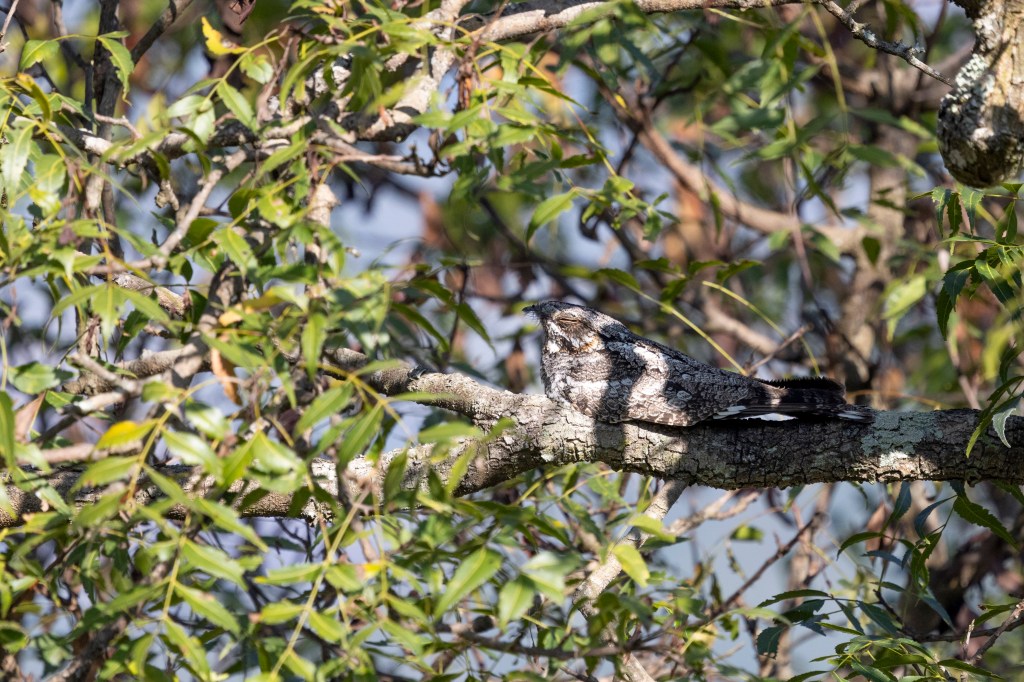
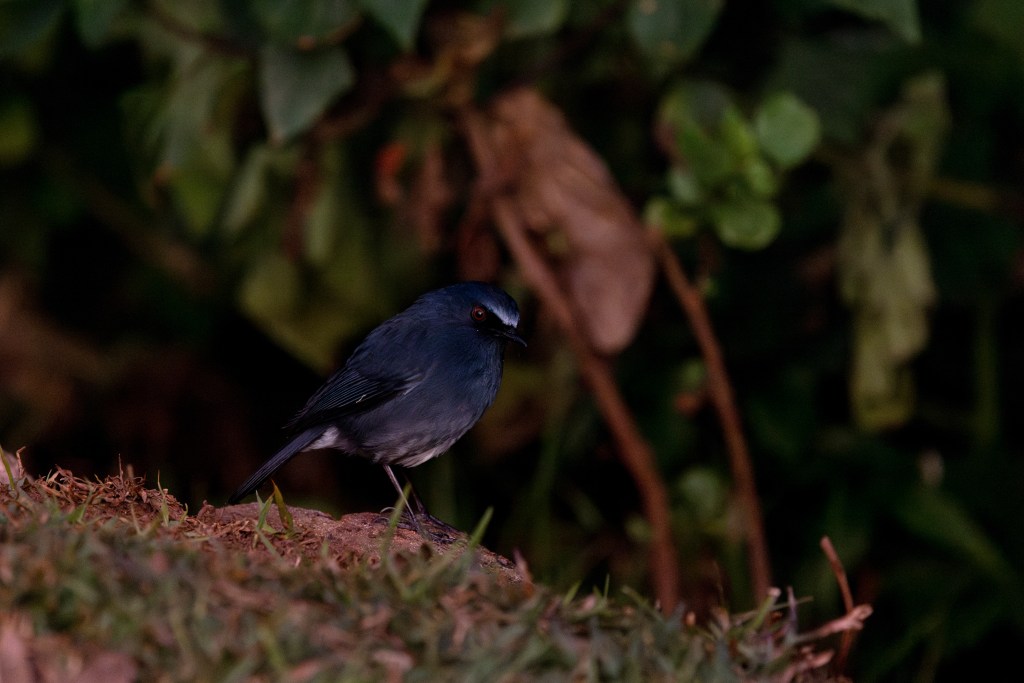
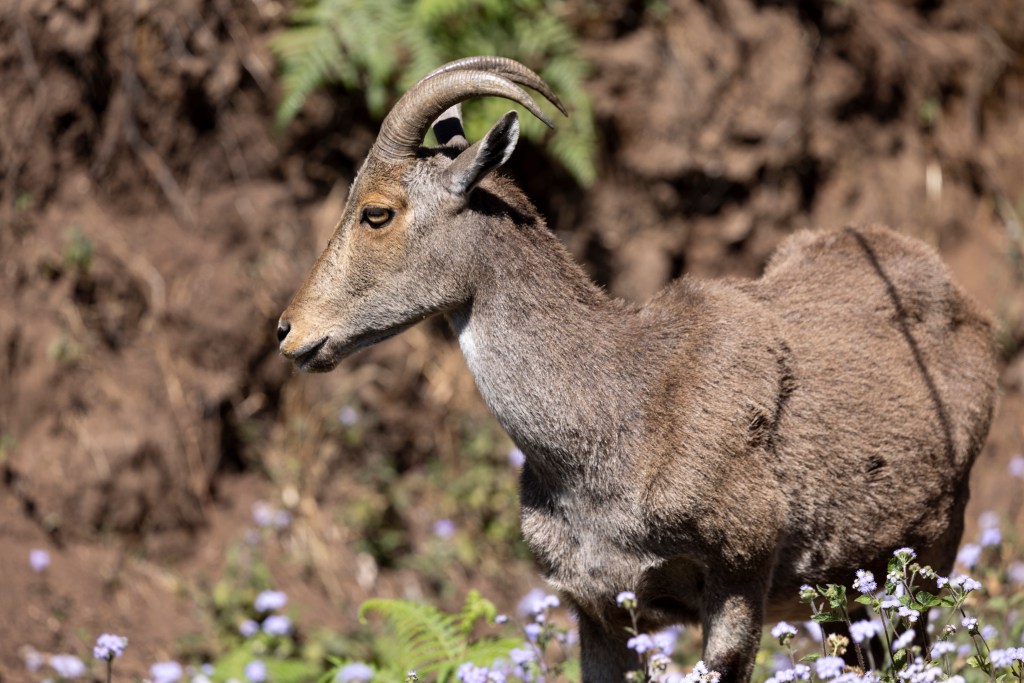
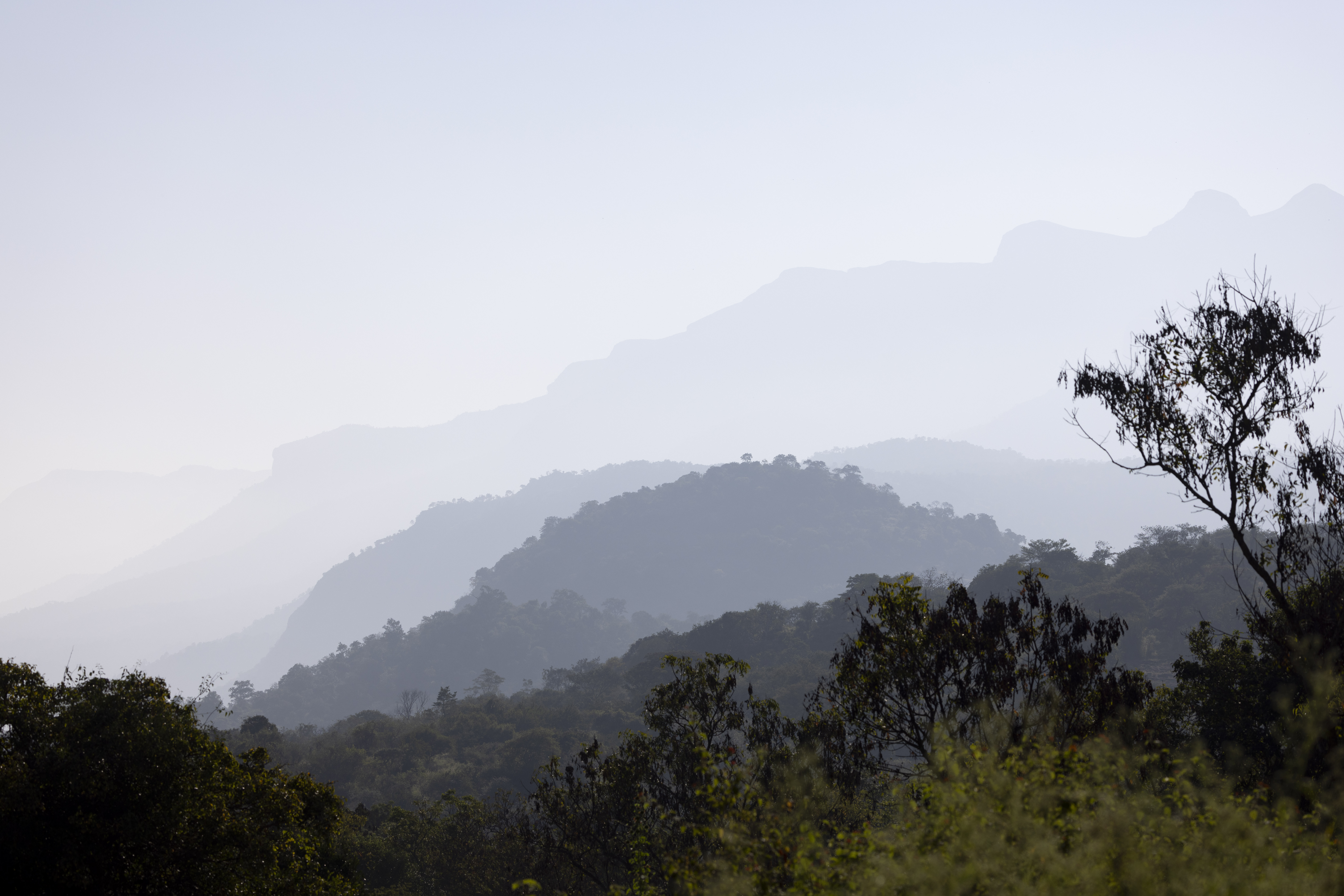
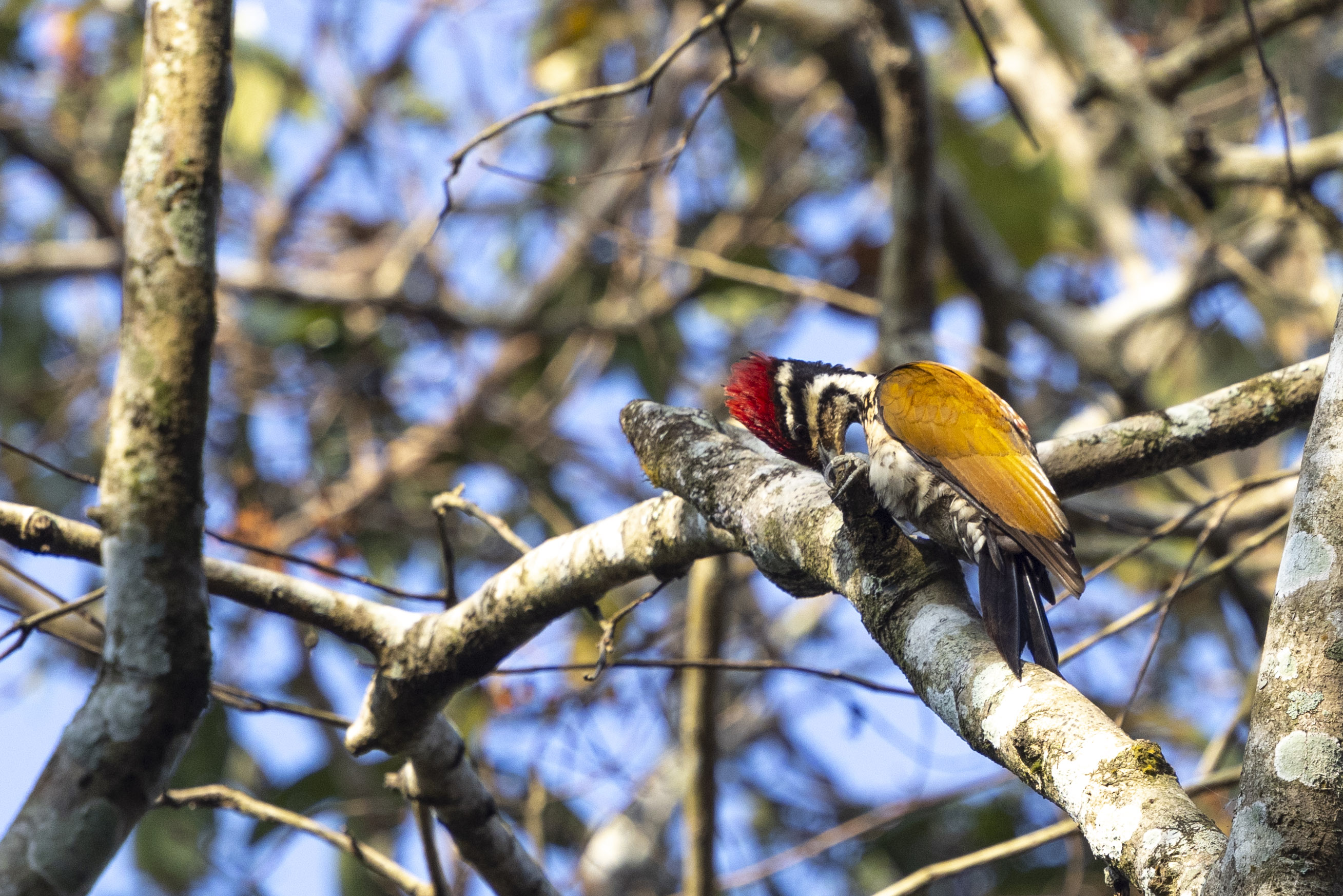
The next stop was three days exploring the hills around the Talayar Tea Plantations, which gave us access to the thorn and riparian forests of Chinnar as well as montane patches around the Eravikulam NP. We were lucky enough to see the patchily distributed Giant Grizzled Squirrel at Chinnar, enroute to Talayar from Valparai. The next morning, much of our effort was focussed on the abundant birdlife at Chinnar, with Brown Fish Owl, Yellow-eyed Babbler, Yellow-crowned Woodpecker, Grey-bellied Cuckoo, Jerdon’s Leafbird, Black-naped Monarch and Jungle Nightjar among several others. While we saw only the commoner mammals, including Grizzled Giant Squirrel, high in the canopy, there was much evidence of elephant activity, and sadly a report of one stampeding a forest watcher, tens of metres through the thickets from the trail we walked earlier in the morning (we heard the commotion, but had no idea what it was at that time). The montane Eravikulam NP, home to the highest point in south India (a shade less that 2700m), and the most reliable site for Nilgiri Tahr in this landscape, is largely closed for tourism in February and March. However, the forest department still has some ‘trekking’ programmes in the periphery of the toursim zone here, which gave us an opportunity to get up-close to a pair of Tahr, feeding in the shade of a shola, in the heat of the late morning sun. This would have also been our best chance for the endemic Nilgiri Pipit, but we missed the species on this occasion. Other efforts exploring montane forest patches in the landscape produced regional specialities like Black-and-Orange and Nilgiri Flycatchers, Square-tailed Bulbul, Blyth’s Swift, Hill Swallow, Palani Chilappan, and a White-bellied Sholakili, adjacent to the forest edge, on the cusp of darkness, one magical evening. Among the mammals, Nilgiri Langur and Malabar Giant Squirrel were the only other species we saw in the montane patches.
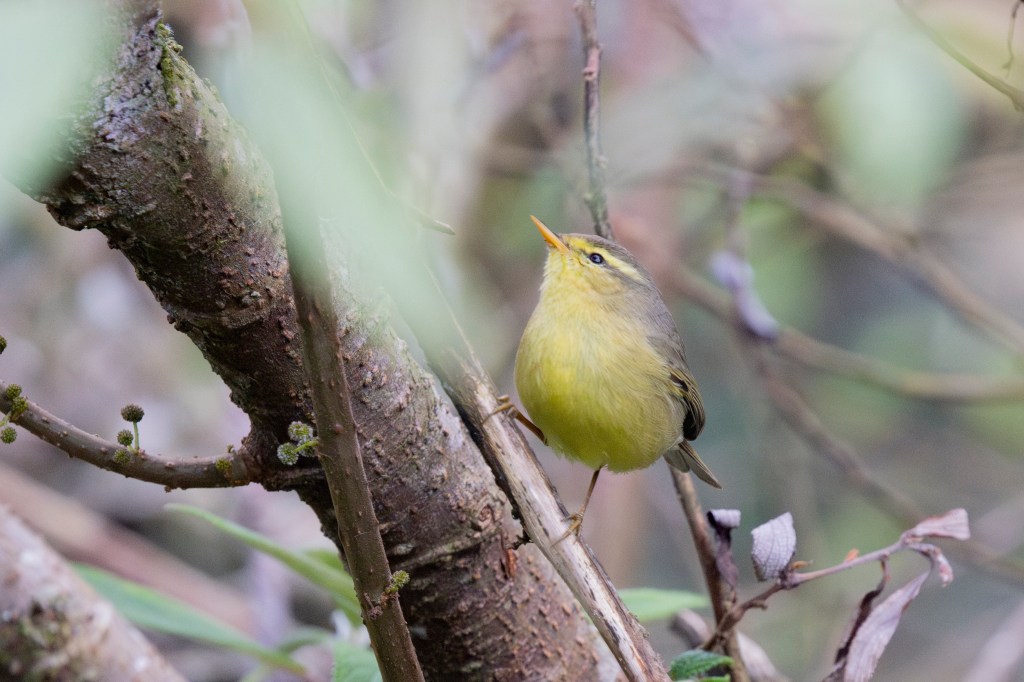

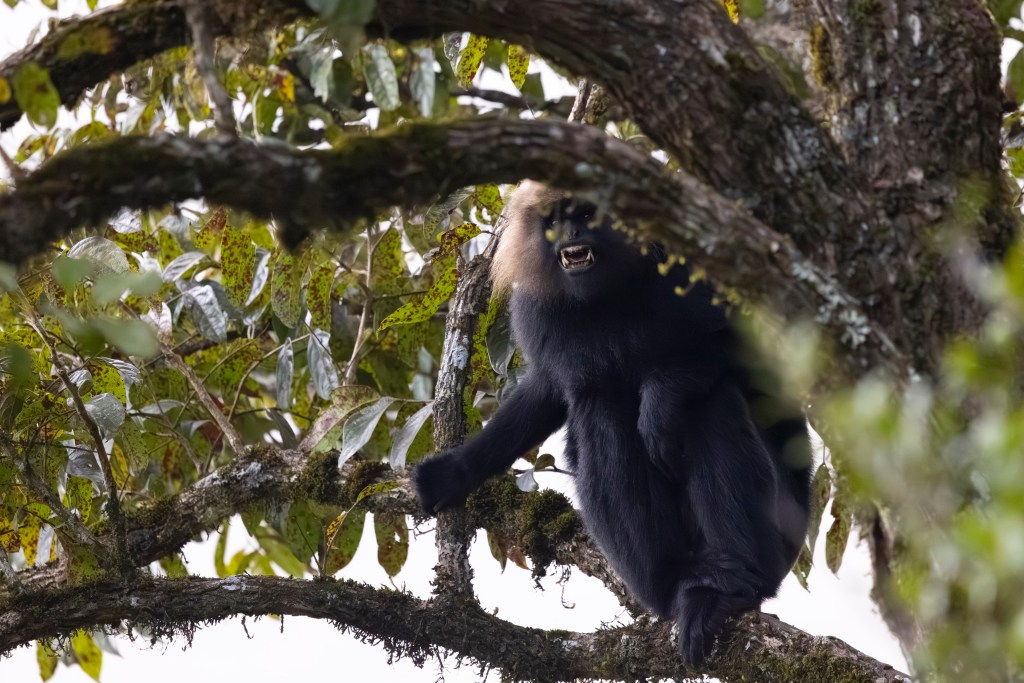
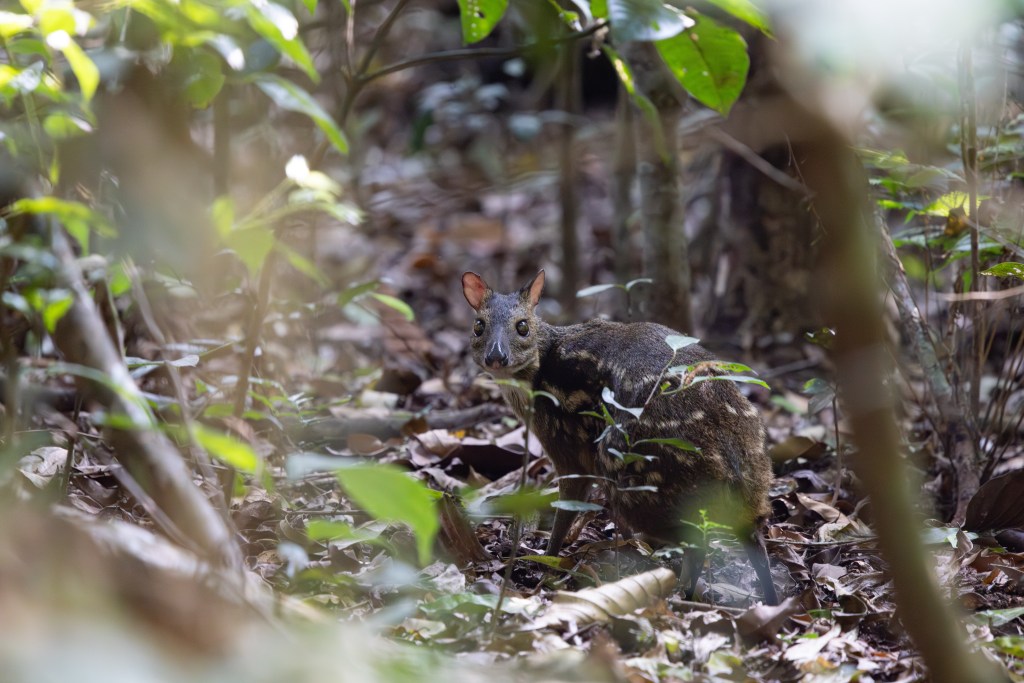
Following our efforts around Talayar, we spent 3 nights at Periyar Tiger Reserve, exploring the popular tourism zone at Thekkady, on lovely jungle trails – among the few Tiger Reserves in India where walking trails are possible. Indian Crested Porcupine, a regular in the accommodations within the tourism zone, and a lucky day-time sighing of a Indian Chevrotain, while walking rainforest trail, were among the highlight mammals, but there were also Nilgiri Langur, Jungle-striped, Malabar Giant and Indian Giant Flying Squirrels, Asian Elephant, Gaur, Sambar and Common Palm Civet that made the list from here. If not for elephants appearing on a trail leading upto a bat roost in a tree hollow, another mammal would have made this list! The mixed deciduous and evergreen forests here were alive birds – both in abundance and diversity, and included several specialities from the Western Ghats region. Wayanad Laughingthrush (a typically large flock of this more often heard than seen species), Malabar Trogon, Black Baza, Black Eagle, White-bellied and Heart-spotted Woodpeckers, Malabar Grey Hornbill, White-bellied Treepie, Rufous, Dark-fronted Babblers, and Indian Scimitar Babblers, Malabar Parakeet and Brown-cheeked Fulvetta. Among other fauna, of which we had seen precious little of through the trip, we did see a species of endemic Dancing Frog (Micrixalus sp.), which was lured out with a call by our local guide. We walked trails only during the day (it is possible to walk trails at night here) and limited our effort to looking around the accommodation at night.

List of Mammals Seen
Bonnet Macaque Macaca radiata
Lion-tailed Macaque Macaca silenus
Nilgiri Langur Trachypithecus johnii
Tufted Grey Langur Semnopithecus priam
Asian Elephant Elephas maximus
Indian Munjtac Moschiola indica
Sambar Rusa unicolor
Spotted Deer Axis axis
Indian Chevrotain Moschiola indica
Gaur Bos gaurus
Nilgiri Tahr Nilgiritragus hylocrius
Indian Wild Pig Sus scrofa
Dhole Cuon alpinus
Common Palm Civet Paradoxurus hermaphroditus
Brown Palm Civet Paradoxurus jerdoni
Small Indian Civet Viverricula indica
Stripe-necked Mongoose Herpestes vitticollis
Sloth Bear Melursus ursinus
Indian Hare Lepus nigricollis
Indian Crested Porcupine Hystrix indica
Malabar Giant Squirrel Ratufa indica
Grizzled Giant Squirrel Ratufa macroura
Indian Giant Flying Squirrel Petaurista philippensis
Three-striped Palm Squirrel Funambulus palmarum
Jungle Striped Squirrel Funambulus tristriatus
Nilgiri Striped Squirrel Funambulus sublineatus
Highlight Birds Seen
Rufous-bellied Eagle
Black Eagle
Bonneli’s Eagle
Legge’s Hawk Eagle
Black Baza
Brown Fish Owl
Jungle Nightjar
Nilgiri Flycatcher
Black and Orange Flycatcher
White-bellied Blue Flycatcher
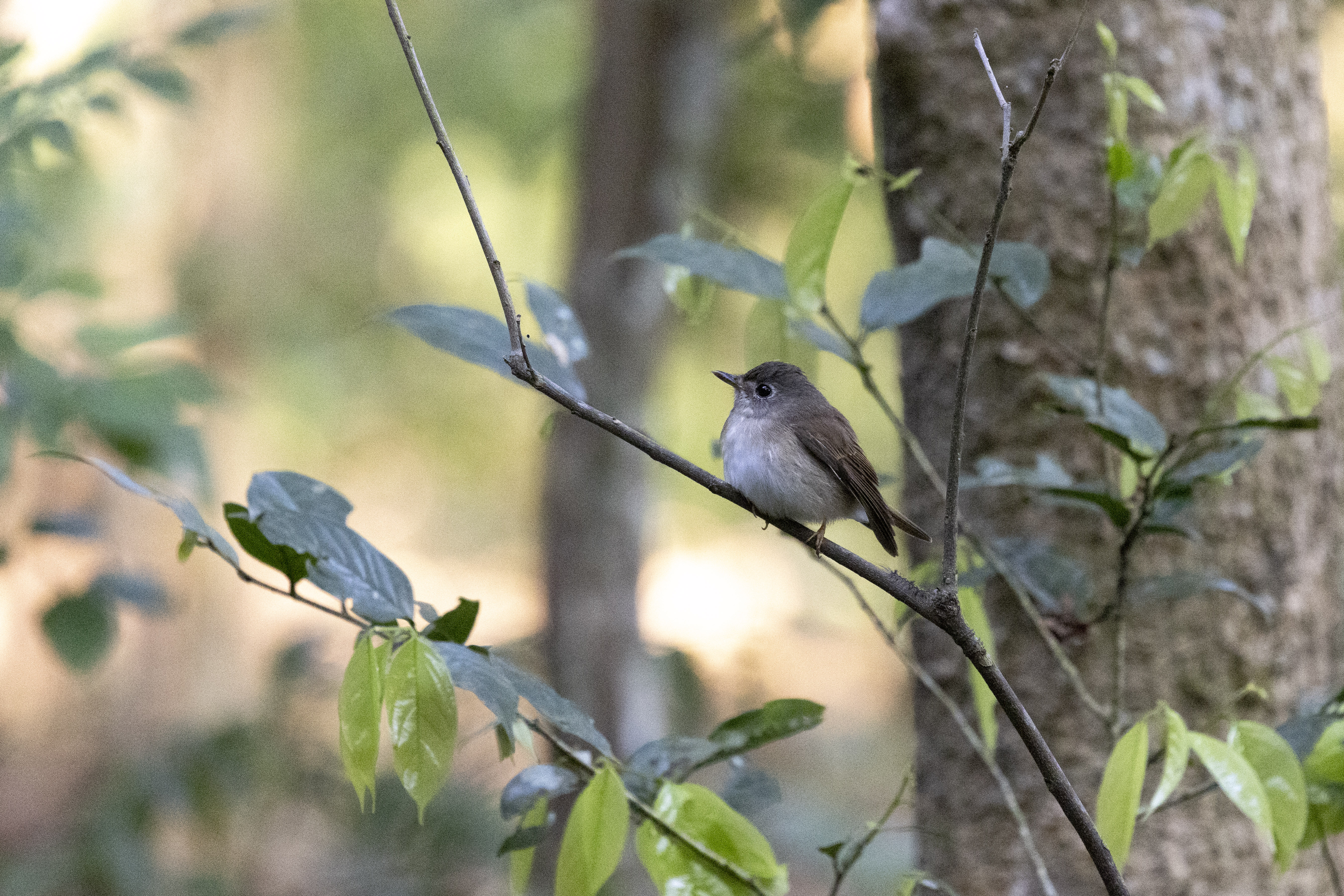
Brown-breasted Flycatcher
Rufous Babbler
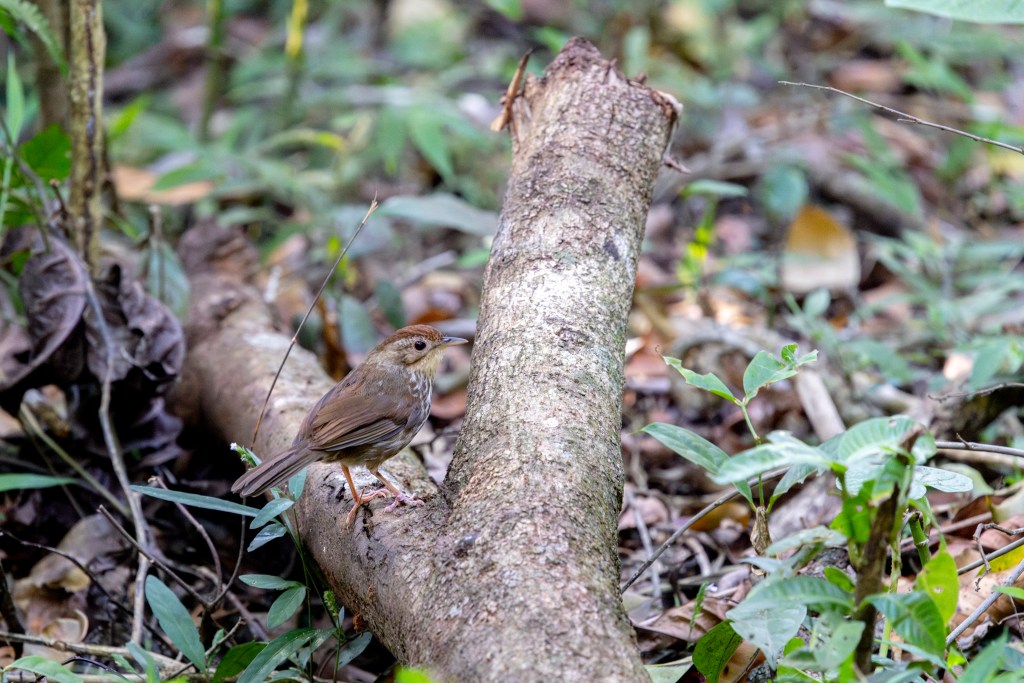
Puff-throated Babbler
Tawny-bellied Babbler
Yellow-eyed Babbler
Brown-cheeked Fulvetta
Indian Scimitar Babbler
Dark-fronted Babbler
White-bellied Sholakili
Palani Laughingthrush
Wayanad Laughingthrush
Malabar Whistling Thrush
Malabar Barbet
White-cheeked Barbet
Malabar Parakeet
Malabar Starling
Malabar Imperial Pigeon
Grey-fronted Green Pigeon
Jerdon’s Leafbird
Square-tailed Bulbul
Flame-throated Bulbul
Yellow-browed Bulbul
Orange Minivet
Indian Yellow Tit
Malabar Woodshrike
Great Hornbill
Malabar Grey Hornbill
Malabar Woodpecker
Heart-spotted Woodpecker
White-bellied Treepie
Malabar Trogon
Blyth’s Swift
White-rumped Needletail
Brown-backed Needletail
Hill Swallow
Crimson-backed Sunbird
Nilgiri Flowerpecker


 Ficus Wildlife and Natural History Tours