Author: Ravi Kailas (ficustours@gmail.com)
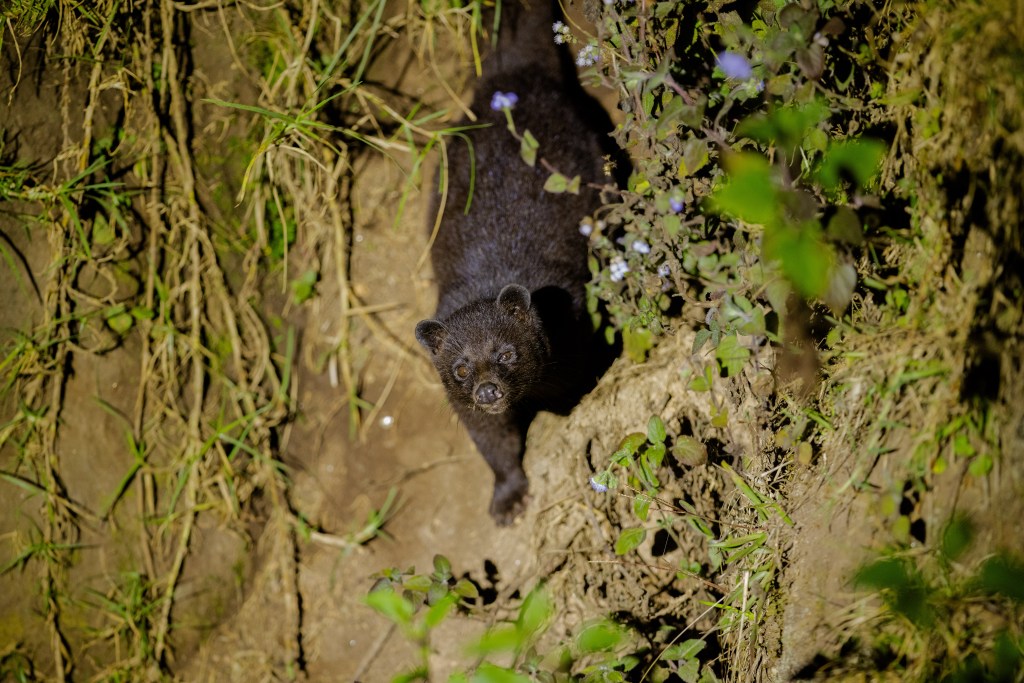
A brief mammal-watching oriented visit to the southern Western Ghats produced 27 species of mammals, including many of the ecoregion’s specialities, namely Lion-tailed Macaque, Nilgiri Langur, Nilgiri Tahr, Brown Palm Civet, Nilgiri Striped Squirrel and Brown Mongoose (seen only by me and Kumaraswamy). Sightings also included Leopard, Gaur, Indian Chevrotain, Nilgiri Striped Squirrel, Indian Giant Flying Squirrel and some rarities (that graced only certain very lucky, albeit dedicated individuals), namely, Nilgiri Marten (seen only by Tracey) and Mainland Leopard Cat (seen only by Ian). Although we were not specifically looking, there were regional specialities among birds as well, including Wayanad and Palani Laughingthrushes, Malabar Grey Hornbill, Malabar Imperial and Nilgiri Wood Pigeons, Nilgiri and Black and Orange Flycatchers, White-bellied Treepie and Sri Lanka Frogmouth among interesting species like Black Baza and Black Eagle. It was a pleasure to host Ian and Tracey, who made it across our border what with visa uncertainties et al. following the recent frosty relationship between India and Canada, whom I was to guide on their multi-week trip through India’s wildernesses, but could only join them for this brief segment, eventually.
Dates
17th to 23rd February 2024
Tour Participants
Clients: Ian Thompson and Tracey Watchurst
Naturalist: Ravi Kailas
Driver: Kumaraswamy
Locations Visited
Valparai (Anamalai Tiger Reserve); Pampadum Shola NP; Thattekad
Detailed Report
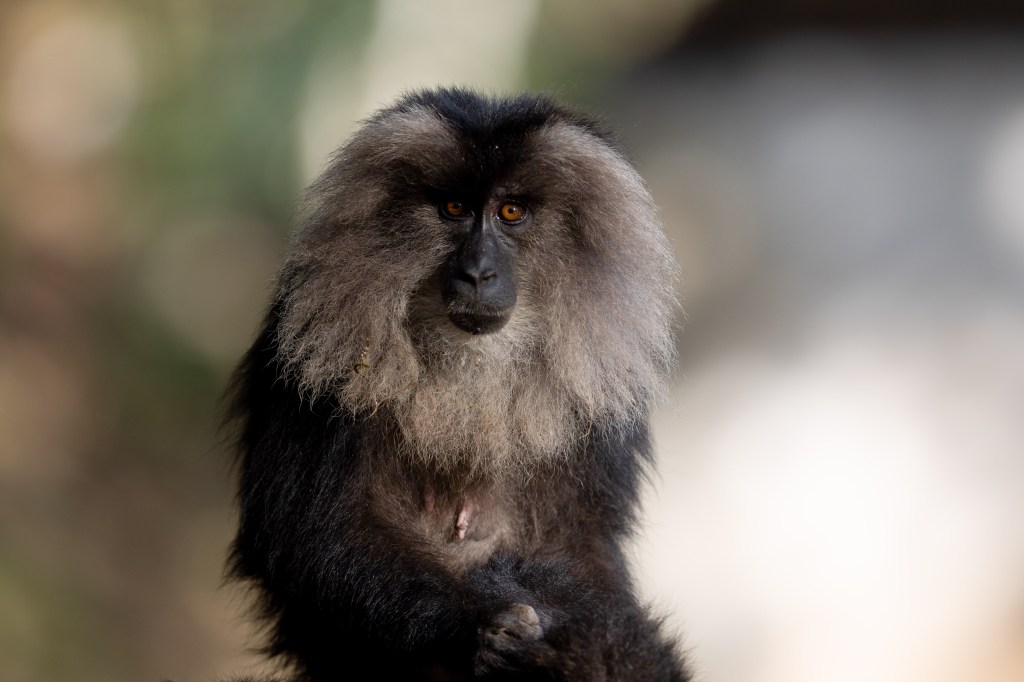
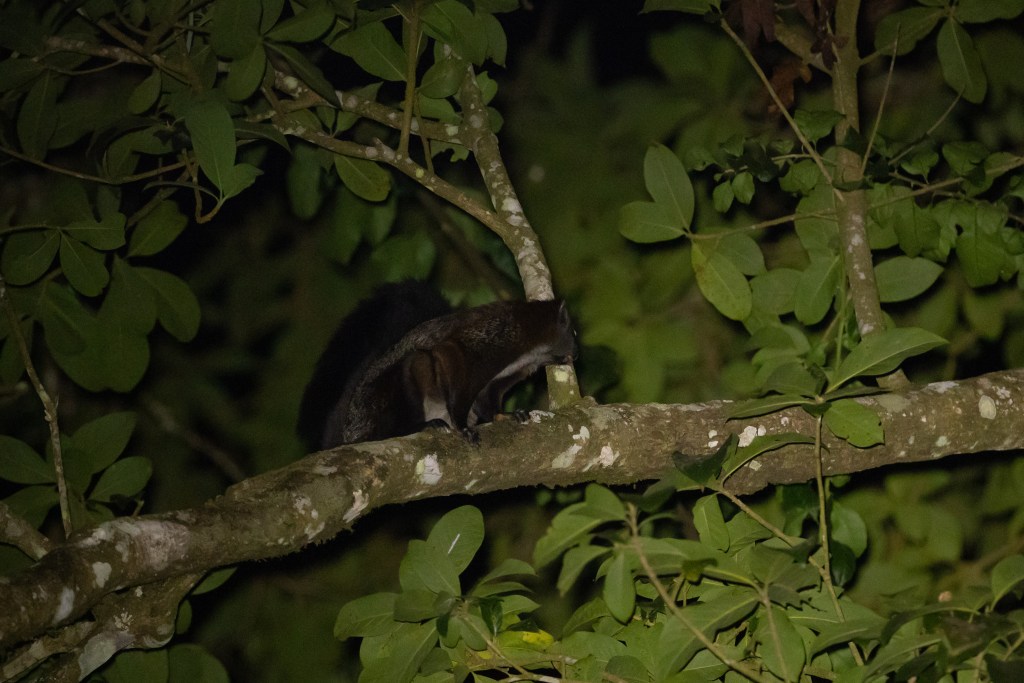
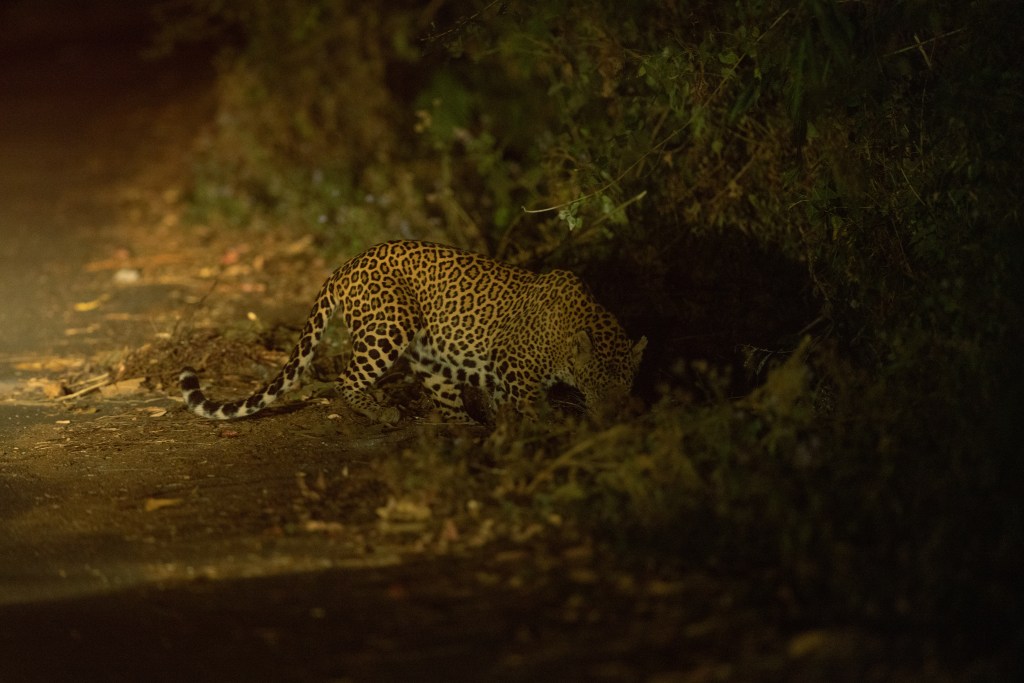
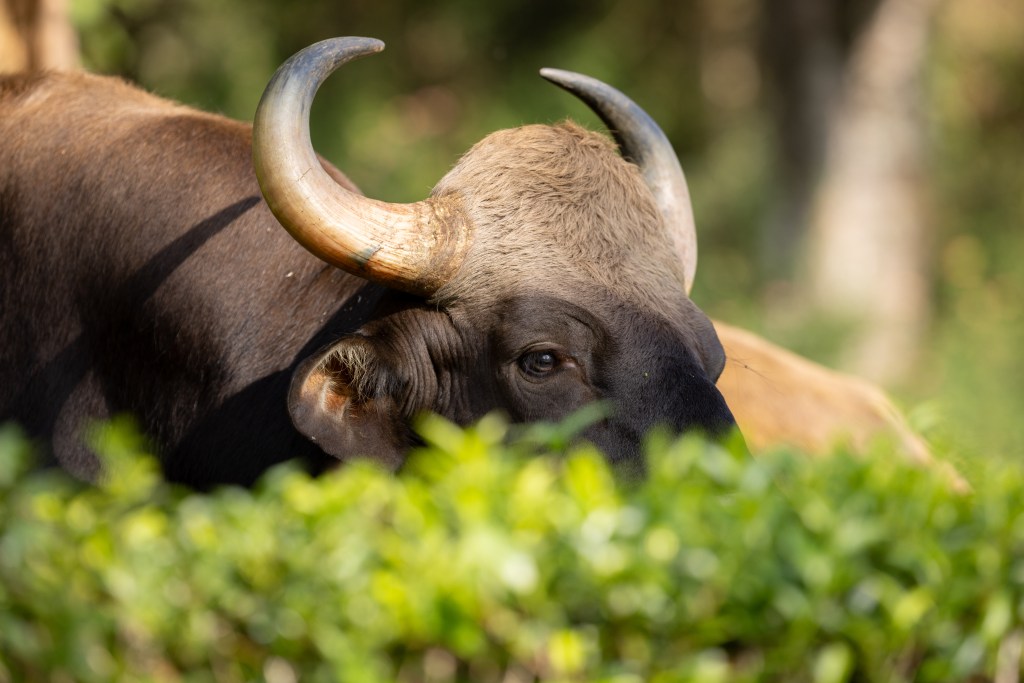
Days 1, 2 & 3 Valparai: Valparai, the plantation-forest matrix, juxtaposed within a network of protected areas within the southern Western Ghats, produced bulk of the regional specialities, including multiple sightings of Lion-tailed Macaque (large troops, not shy around people), Nilgiri Langur and Jungle-striped Squirrel. It took a bit more effort to locate the solitary Brown Palm Civet, just as it was getting active in the dark, as well as Nilgiri Tahr, while scanning the slopes from the (especially, weekend associated) busy road, leading from the plains to Valparai. While Ian and Tracey missed it, Kumaraswamy and I saw a Brown Mongoose, another regional endemic, dart across the road in the darkness as we were heading back to roost for the night. Among other noteworthy sightings, there were two Leopards (one of them a large, very evidently old male road walking, unconcerned by two non-living entities with artificial sources of light following him) on two different nights and the relatively uncommonly seen Indian Chevrotain, but perhaps the bold Mainland Leopard Cat, an exclusive showing for Ian, was the most unexpected sighting from Valparai, for the sheer elusiveness (otherwise) of these animals in this landscape (the cat waited in the same spot for Ian to go pick up the camera from his room and walk back to where it was perched, and duly allowed to be photographed. Very photogenic indeed as it turned out). Regulars included numerous Indian Giant Flying and Indian Giant Squirrels, Gaur, Stripe-necked Mongoose and Northern Red Muntjac.
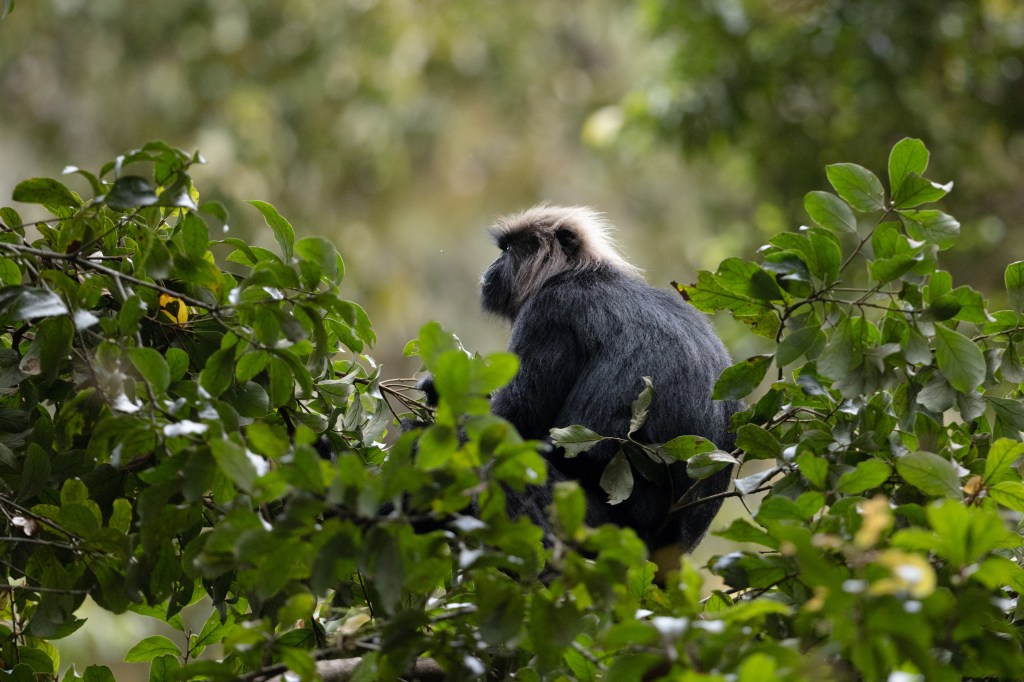
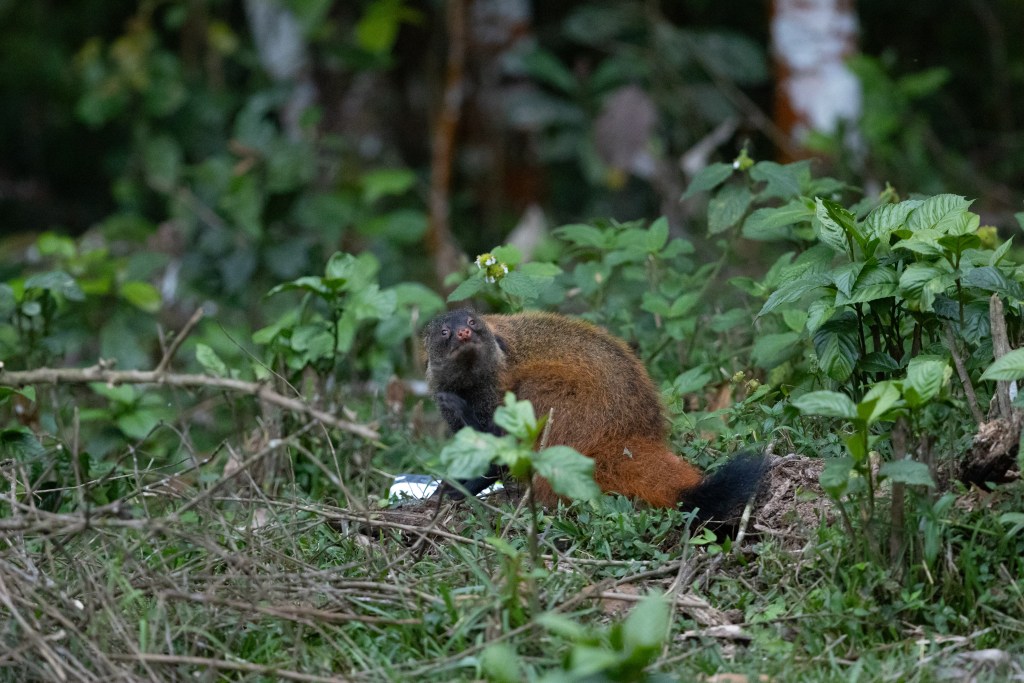
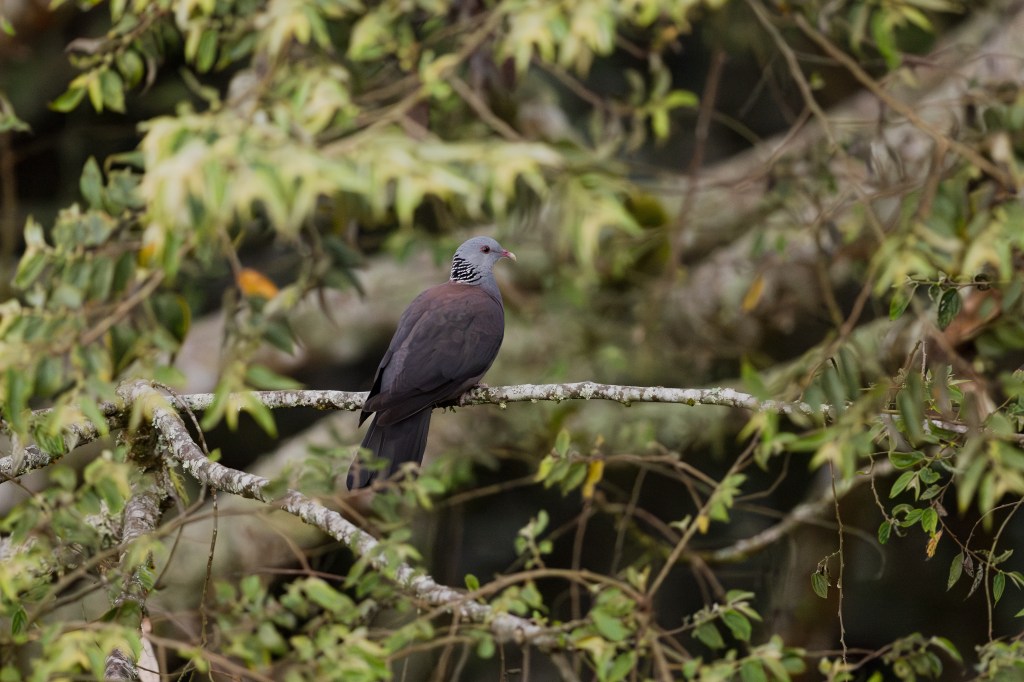
Days 4 & 5, Pampadum Shola NP: This tiny patch of montane forest is usually packed with surprisingly good mammal potential. However, sightings were a little underwhelming this time, apart from some good sightings of Nilgiri Langur (habituated to people), fleeting glimpses of the Nilgiri Striped Squirrel and good views of Brown Palm Civet. Brown Mongoose and Indian Porcupine have been regulars in the past, but were absent in their regular haunts this time. Tracey though had a better time of it than the rest of us, when a Nilgiri Marten bounded across a forest path, of which she was taking a picture of because the light was interesting when the animal appeared (I understood), before disappearing into the darkness of the shola. There were good birds here though, and highlights included Nilgiri Wood Pigeon, Black and Orange and Nilgiri Flycatchers and Legge’s Hawk Eagle.
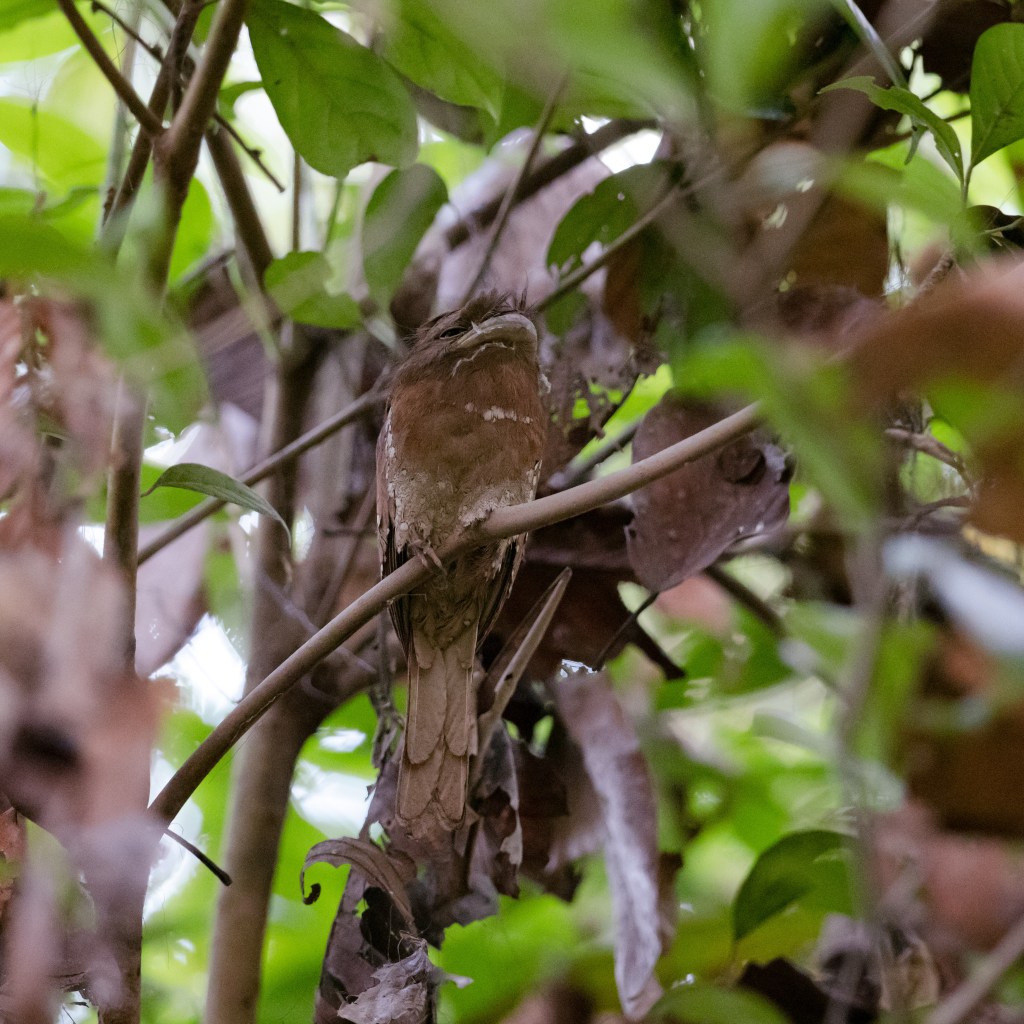
Day 6, Thattekad: The main mammal target here – a location better known for endemic birds – was the Grey Slender Loris. We were not successful in this quest though, as we tried searching from the boat, which had a lot of potential habitat, and later in a patch were the species was regularly seen, but has been disturbed with human settlements and bright lights of late. We did see a flying squirrel, which we thought could have been a Travancore Flying Squirrel, but pictures suggested that it was the commoner Indian Giant Flying Squirrel, as well as Sambar Deer, Asian Palm Civet, Cynopterus sp, and some bats hawking insects over the river. The visit also threw up a few bird highlights including Sri Lanka Frogmouth, Black Baza, White-bellied Treepie and Jerdon’s Nightjar.
List of Mammals Seen
Stripe-necked Mongoose (Urva vitticolla)
Brown Mongoose (Urva fusca)
Small Indian civet (Viverricula indica)
Brown Palm Civet (Paradoxurus jerdonii)
Asian Palm Civet (Paradoxurus hermaphroditus)
Common Leopard (Panthera pardus)
Asian Elephant (Elephas maximus)
Gaur (Bos gaurus)
Wild Boar (Sus scrofa)
Nilgiri Tahr (Nilgiritragus hylocrius)
Northern Red Muntjac (Muntiacus vaginalis)
Sambar Deer (Rusa unicolor)
Indian Chevrotain (Moschiola indica)
Black-naped Hare (Lepus nigricollis)
Indian Giant Flying Squirrel (Petaurista philippensis)
Indian Giant Squirrel (Ratufa indica)
Three Striped Palm Squirrel (Funambulus palmarum)
Jungle Striped Squirrel (Funambulus tristriatus)
Nilgiri Striped Squirrel (Funambulus sublineatus)
Bonnet Macaque (Macaca radiata)
Nilgiri Langur (Semnopithecus johnii)
Tufted Gray Langur (Semnopithecus priam)
Lion-tailed Macaque (Macaca silenus)
Brown Rat (Rattus norvegicus)
Black Rat (Rattus rattus)
Lesser Bandicoot Rat? (Bandicota bengalensis)
Cynopterus species?
 Ficus Wildlife and Natural History Tours